 Atelier · France
Guides, advice
and process notes
Everything we've learned making custom gowns for brides around the world — on sizing, fabric, timing, and what to expect.
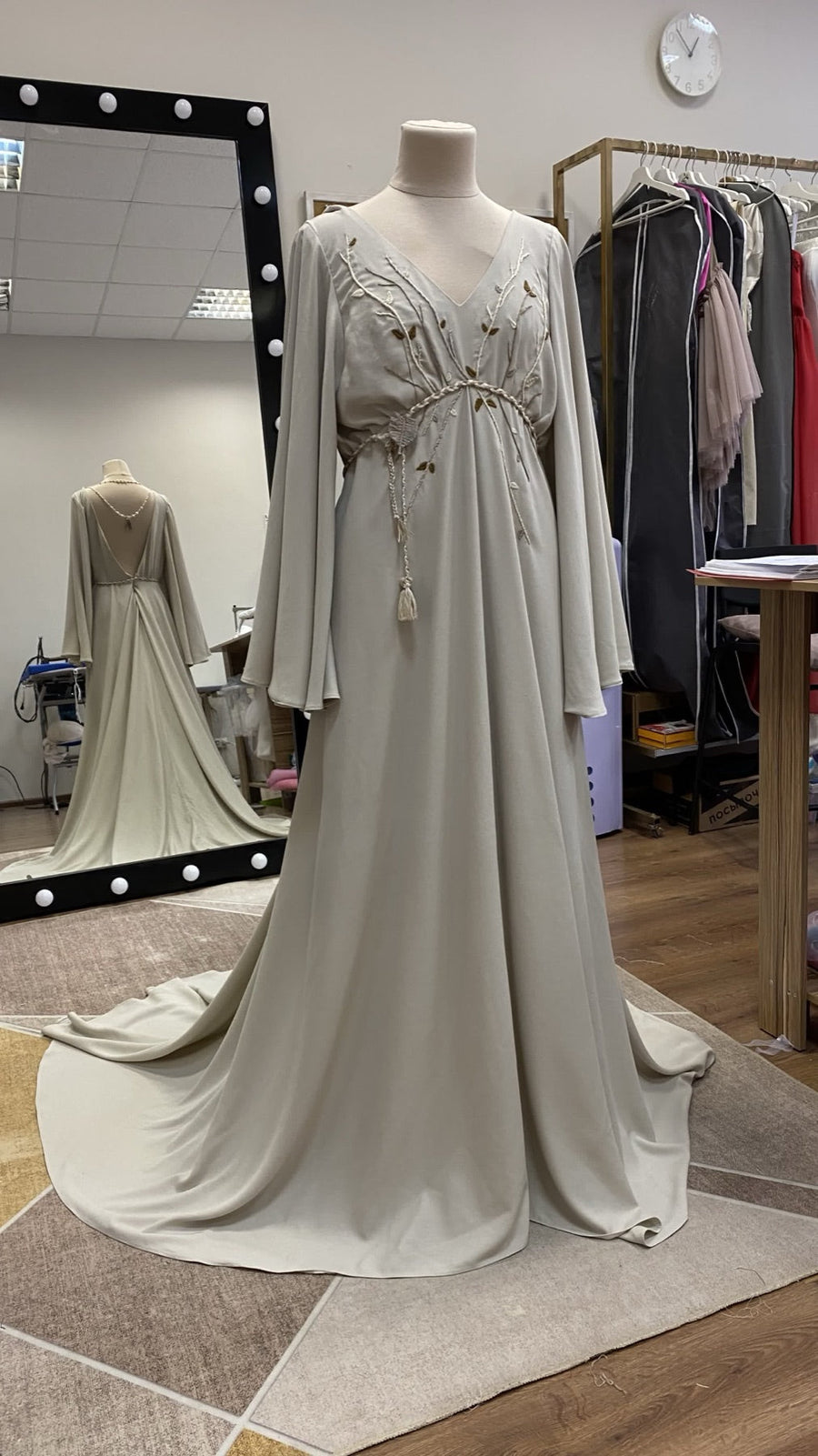
Pregnant Bride: How a Custom Wedding Dress Handles a Changing Body
How a custom wedding dress is planned for a pregnant bride: which cuts adapt, how late to take measurements, built-in adjustment, comfort, and the fitting schedule.
Read →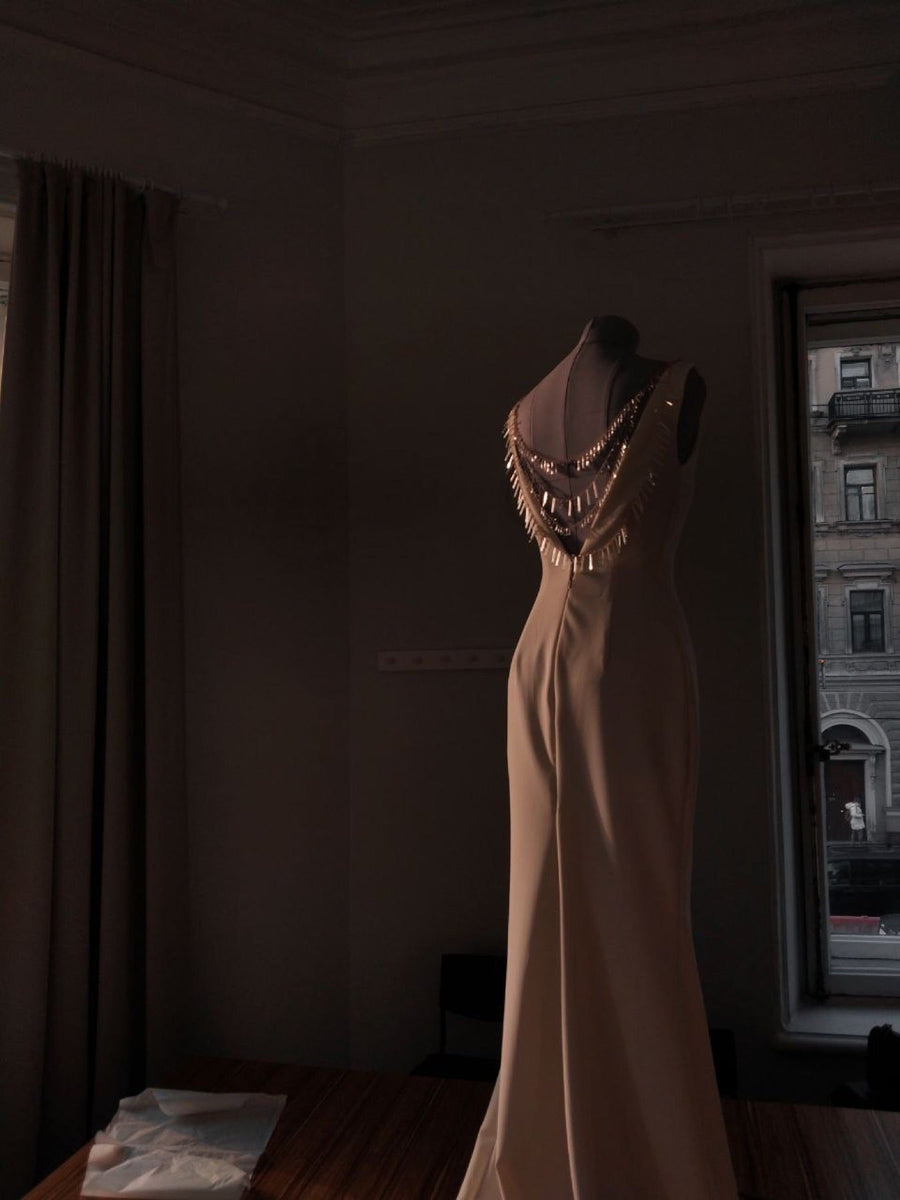
Tall Bride, Custom Wedding Dress: Length Where You Want It
How a custom wedding dress solves the problems a tall bride hits off the rack: short hems, high waist seams, cropped sleeves, and details that stop too soon.
Read →
Petite Bride, Custom Wedding Dress: Proportion, Not Just Shortening
Why a petite bride is better served by a custom dress: the pattern is scaled to your proportions, not a standard hemmed shorter, so every detail keeps its balance.
Read →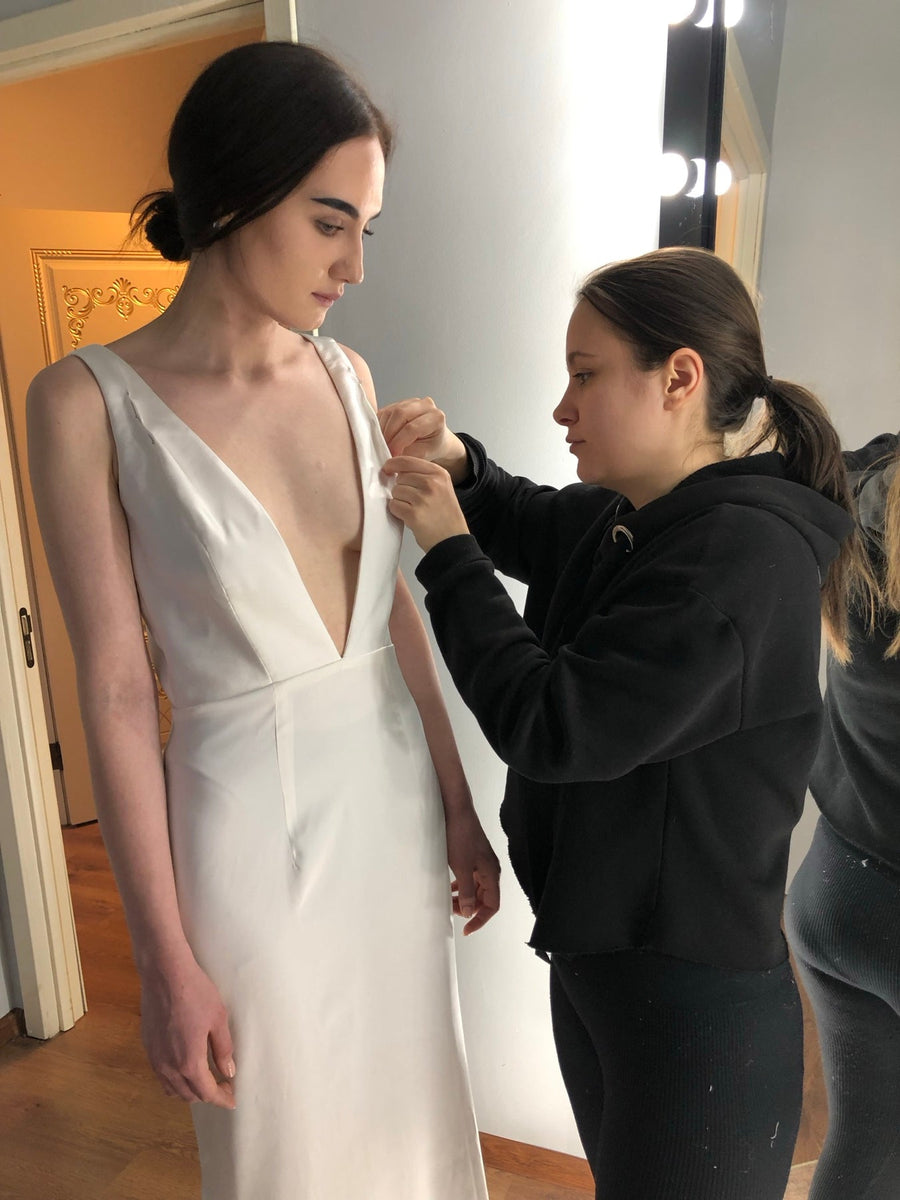
How a Custom Wedding Dress Handles Weight Changes Before the Wedding
How a custom wedding dress accounts for body changes between measurement and the wedding: seam allowances, adjustable elements, fitting timing, and what to tell your atelier.
Read →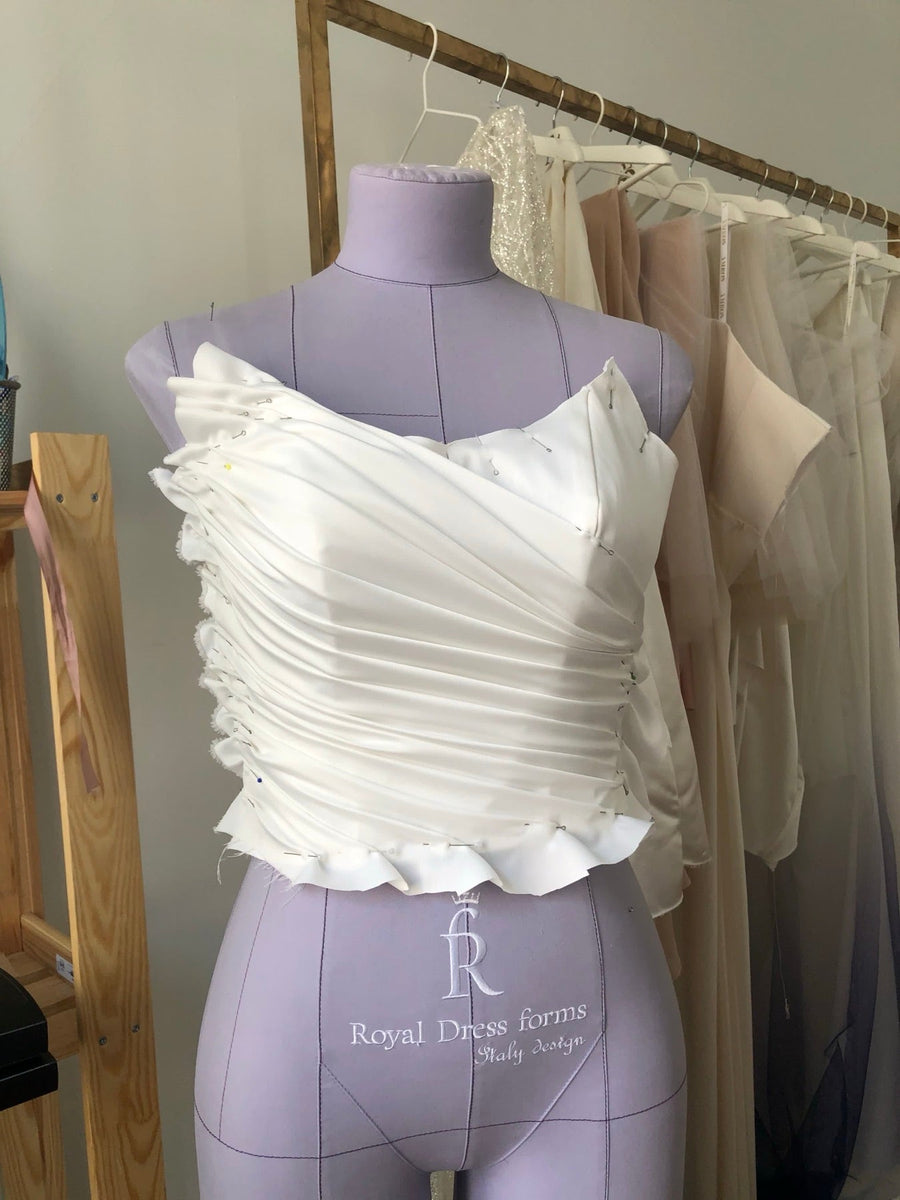
What to Wear Under a Custom Wedding Dress: Built-In Support vs. Separate Pieces
What to wear under a custom wedding dress, when the support can be built in, when you still need separate undergarments, and how to plan it early.
Read →
Plus-Size Custom Wedding Dress: Why Custom Solves What Off-the-Rack Can't
Most bridal boutiques stock sample gowns in a narrow size range. Here's what that actually means for a plus-size bride, and why a pattern built from your own measurements works differently.
Read →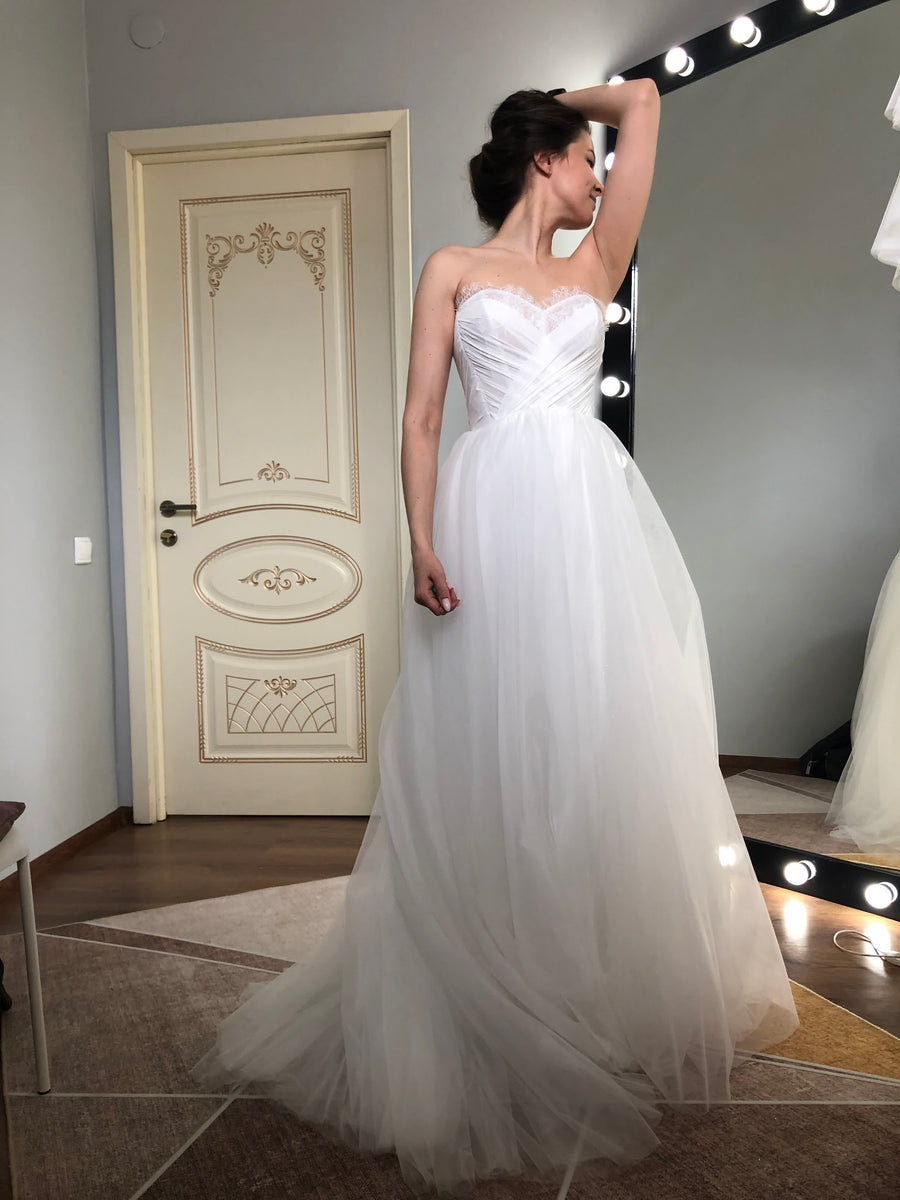
Corset Construction in Custom Bridal: Why It Matters for Fit
A corset bodice has to be right the first time in a remote custom order — there's no in-person alteration. Here's how corset construction actually determines fit.
Read →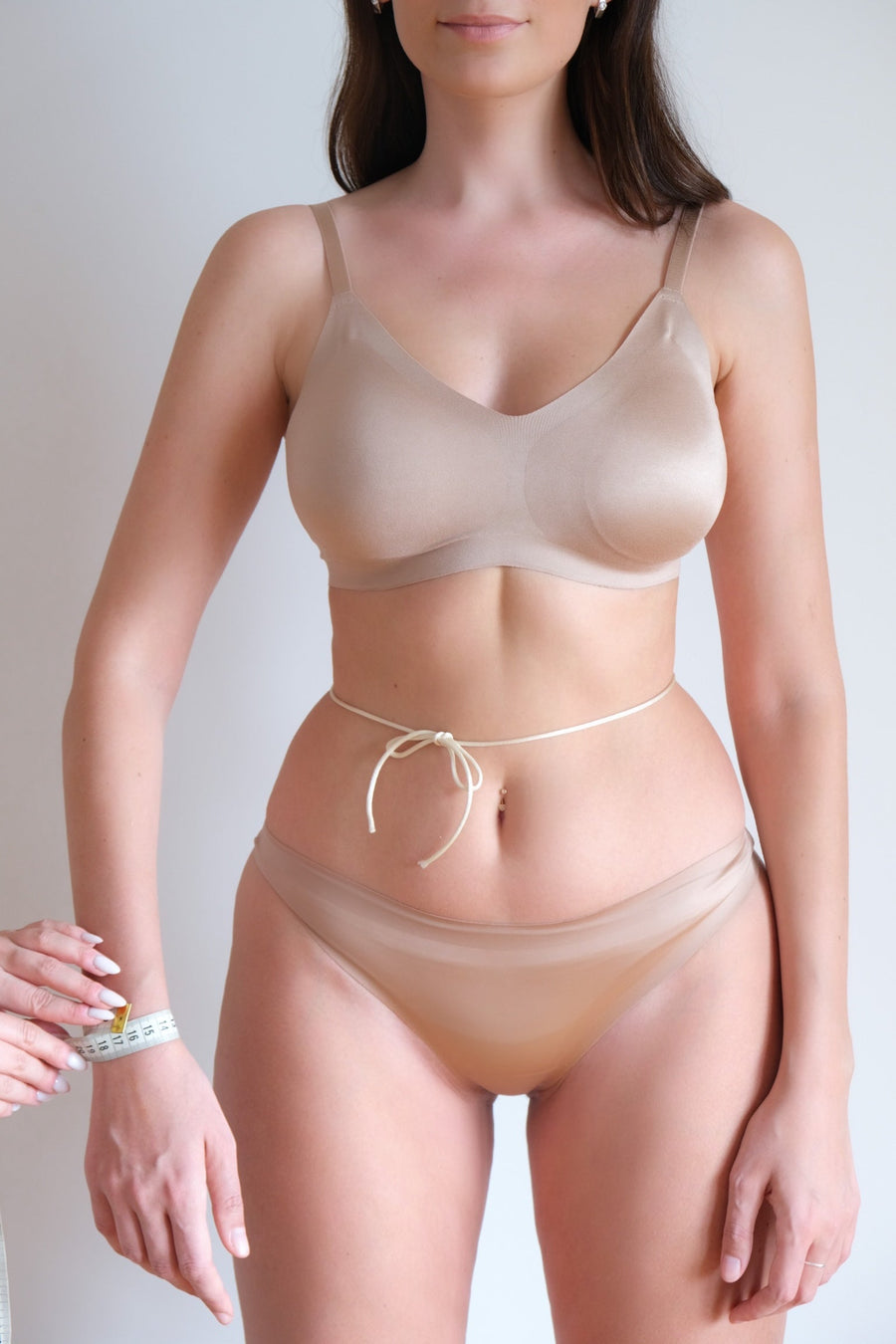
What Measurements We Need — and Why Your Tailor Should Take Them
A professional tailor must take your bridal measurements. Bring this guide to your appointment; we explain which measurements we need and how to share photos of the process.
Read →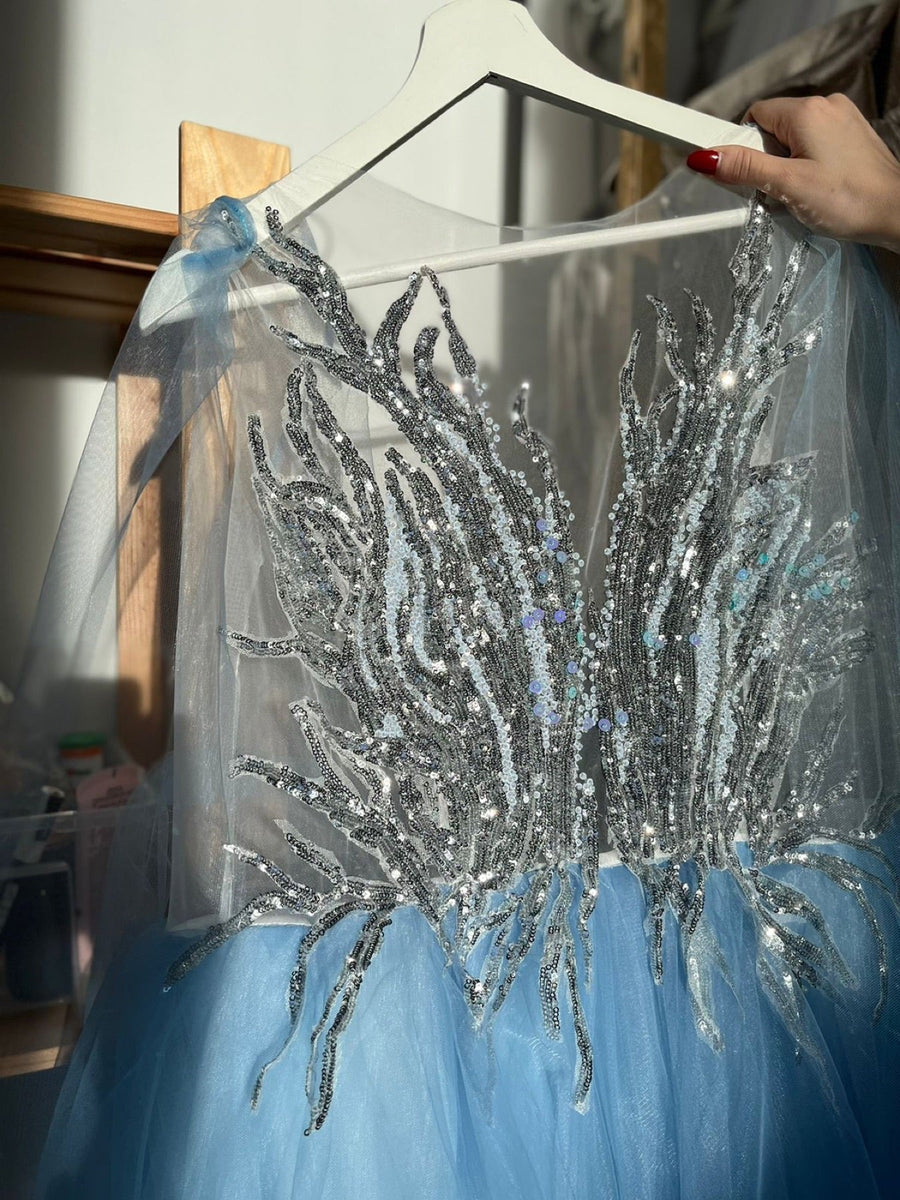
Sequin and Sparkle Wedding Dress: Types, Weight, and How It Photographs
How a sequin wedding dress is built: sequin types and sizes, all-over versus scattered, weight and lining, how sparkle reads in photos, and custom planning.
Read →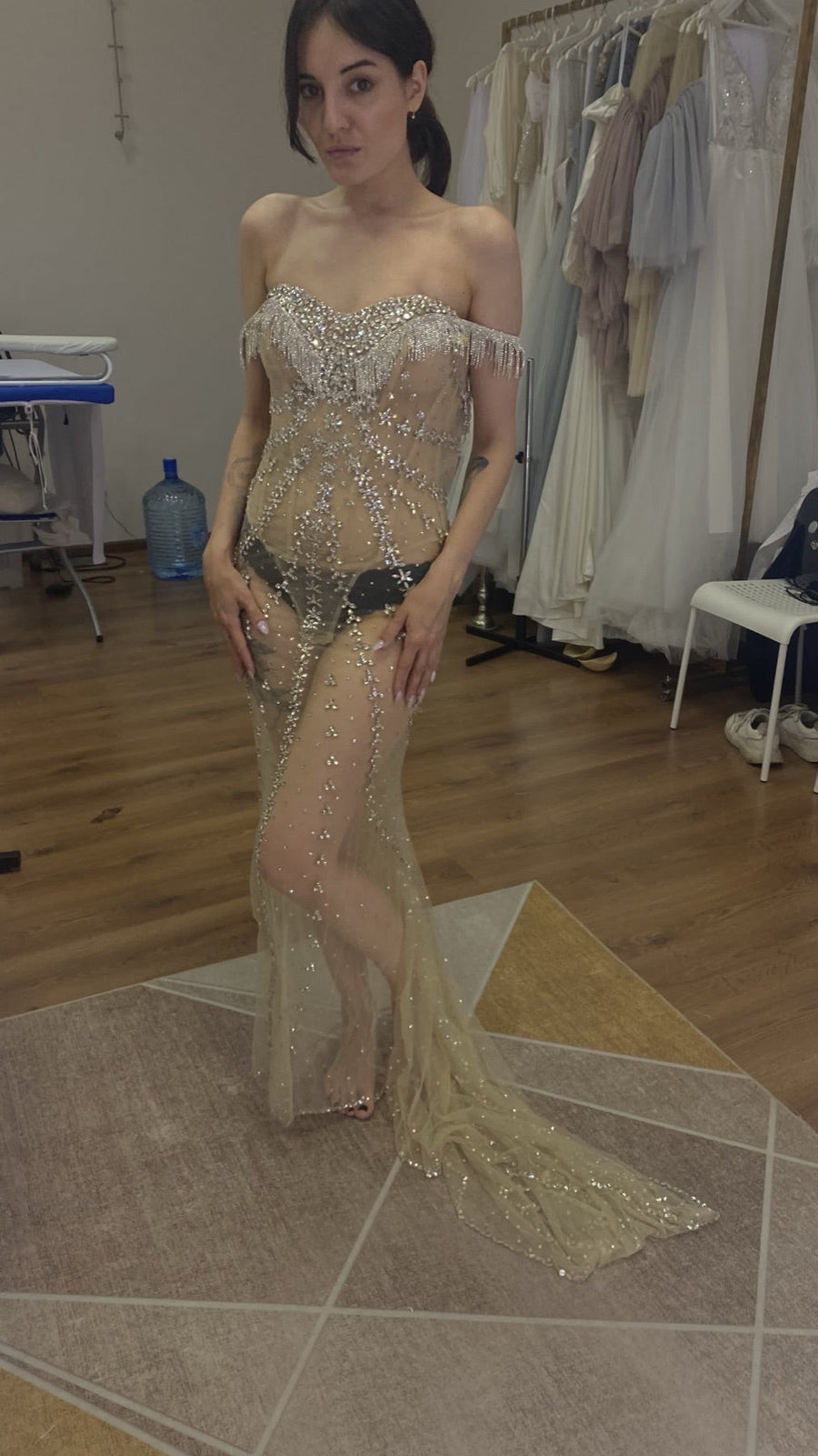
Fringe and Tassel Detail on a Wedding Dress: Movement Without Weight
How fringe and tassel detail is used on a wedding dress: beaded fringe, chainette, and crystal strands, where it moves best, weight, and how to plan it custom.
Read →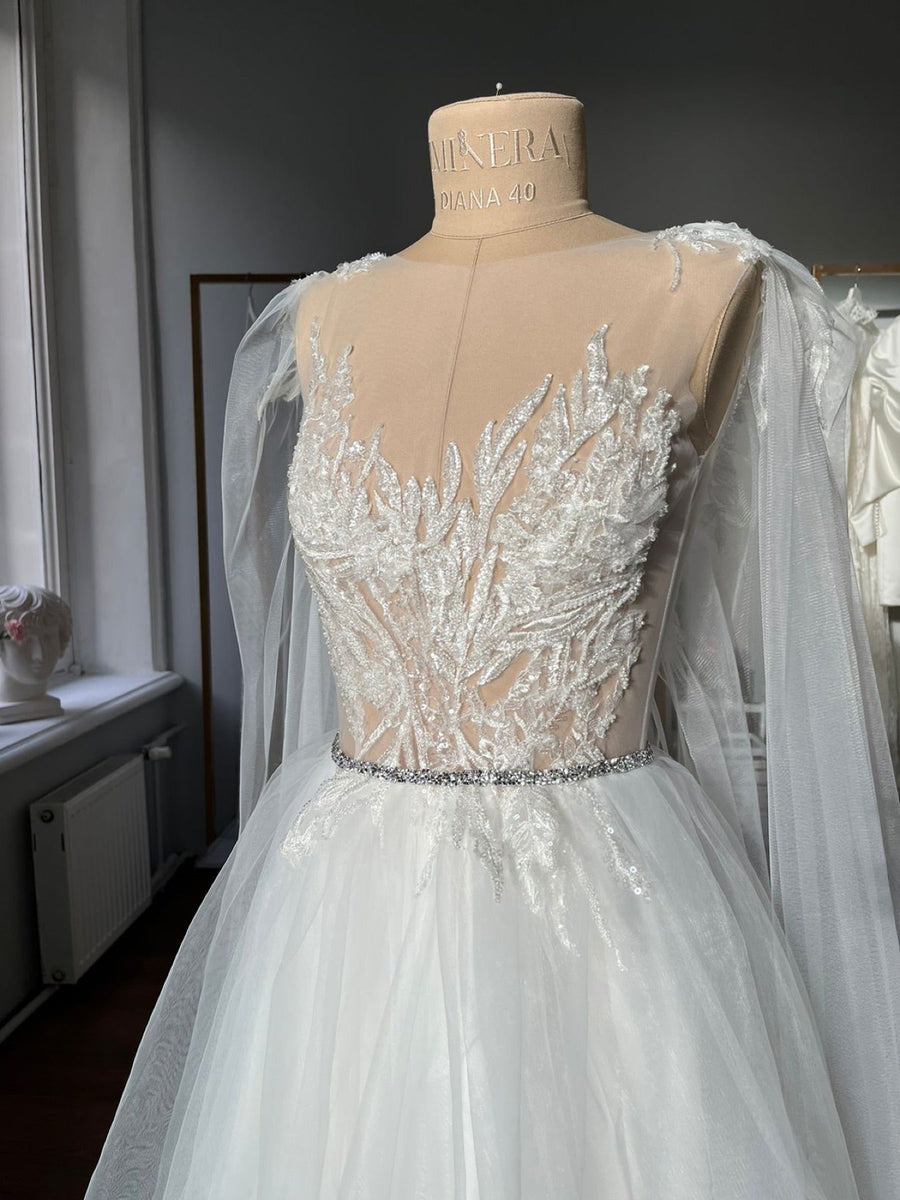
Feather Trim on a Wedding Dress: Placement, Types, and Care
How feather trim is used on a wedding dress: hem, cuff, and bodice placement, feather types, how it moves and photographs, care, and how to plan it custom.
Read →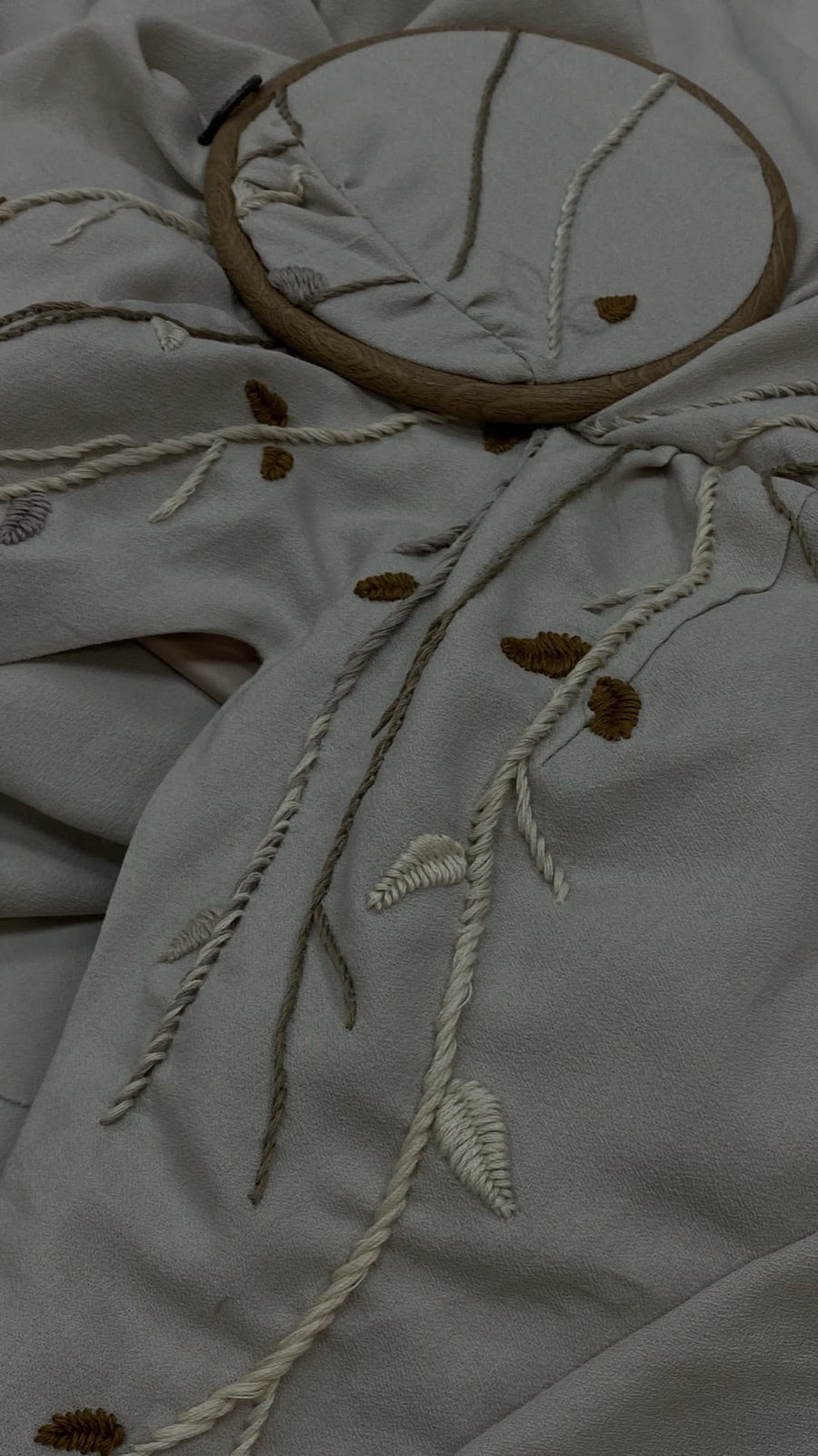
Botanical Thread Embroidery on a Wedding Dress: Design and Placement
How botanical thread embroidery is designed and placed on a wedding dress: motifs, thread and color choices, tonal vs contrast, and how it is planned custom.
Read →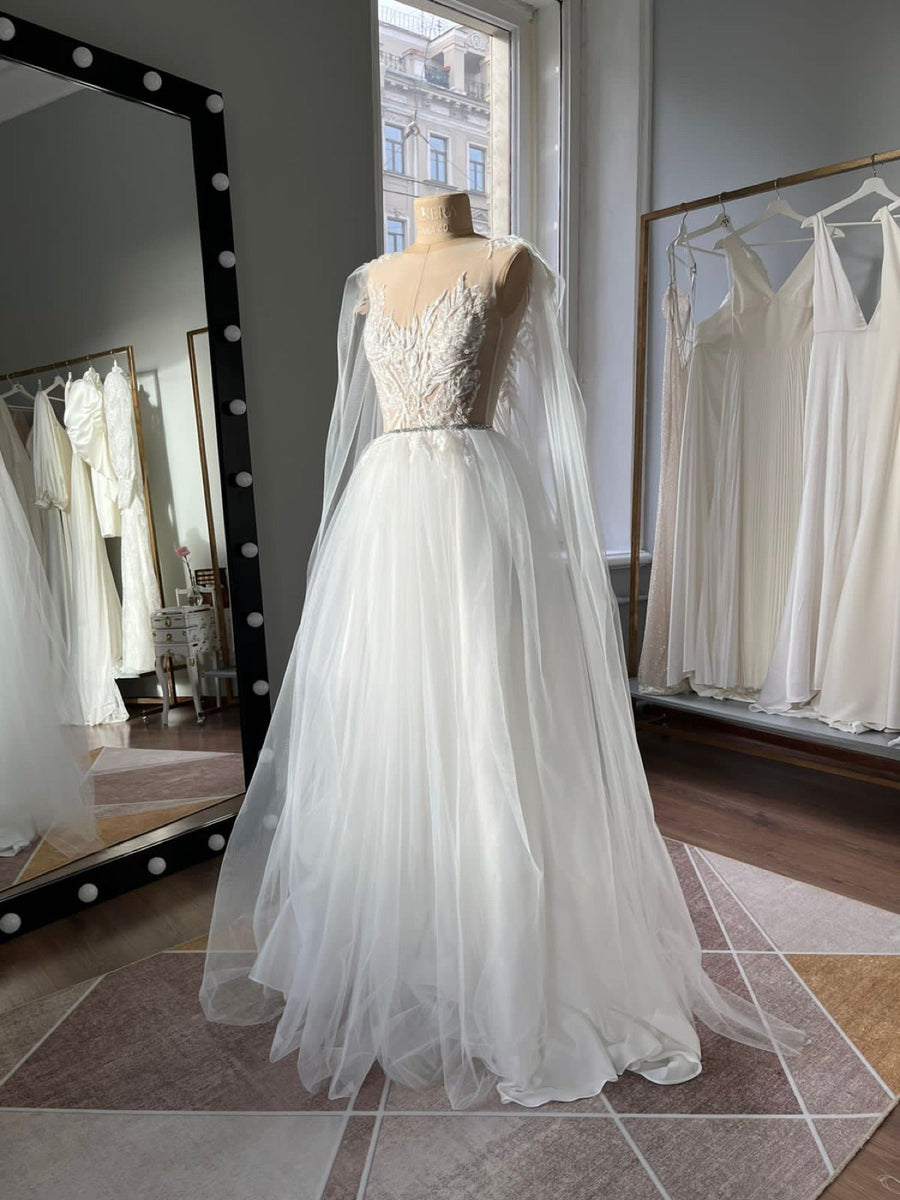
Silk Mikado and Structured Wedding Dress Fabrics Explained
What silk mikado, gazar, taffeta, and Zibeline are, how each holds a sculptural shape, where they wrinkle or shine, and how to choose one for a custom gown.
Read →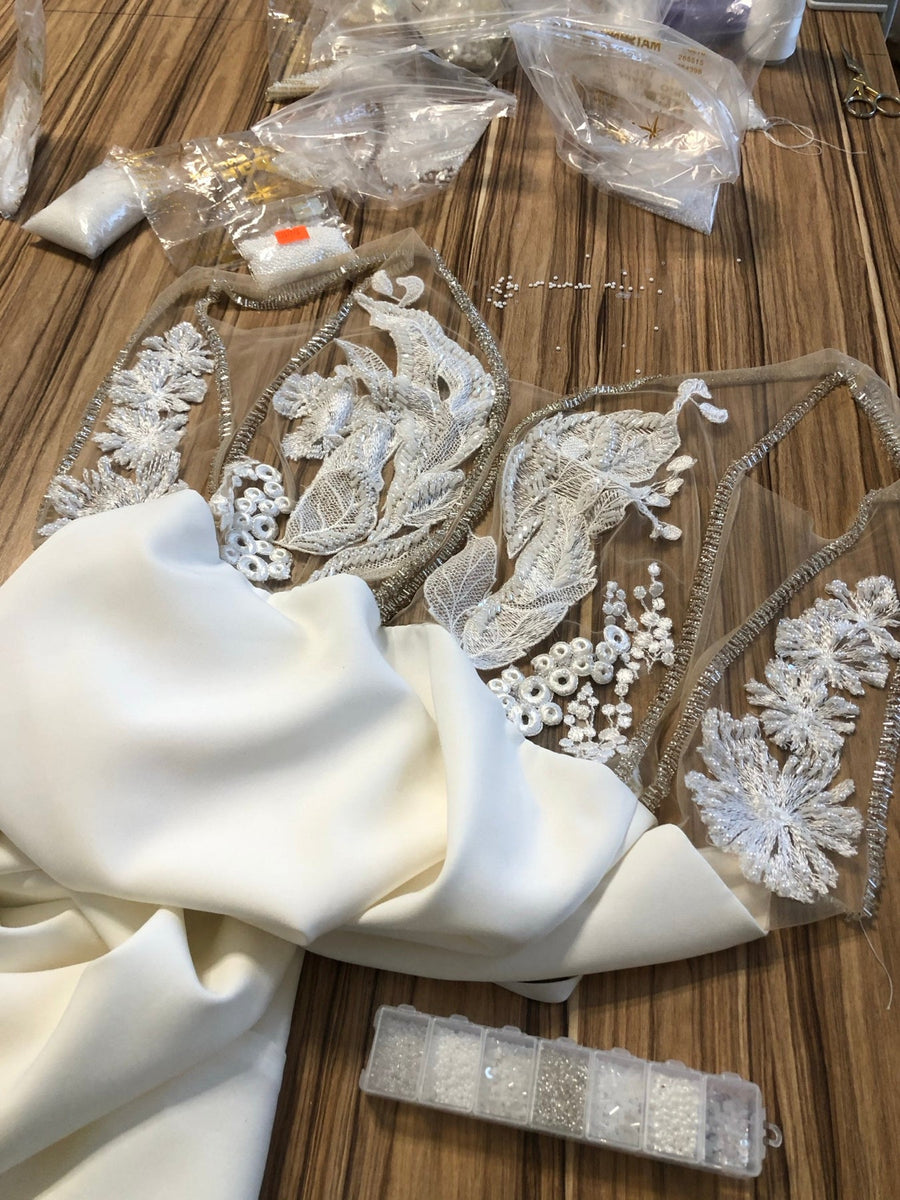
Pearl, Crystal, and Sequin: Bridal Embellishment Types Compared
How pearl, crystal, sequin, bugle bead, and thread embroidery differ on a wedding dress: light, weight, texture, durability, and what each one costs to apply.
Read →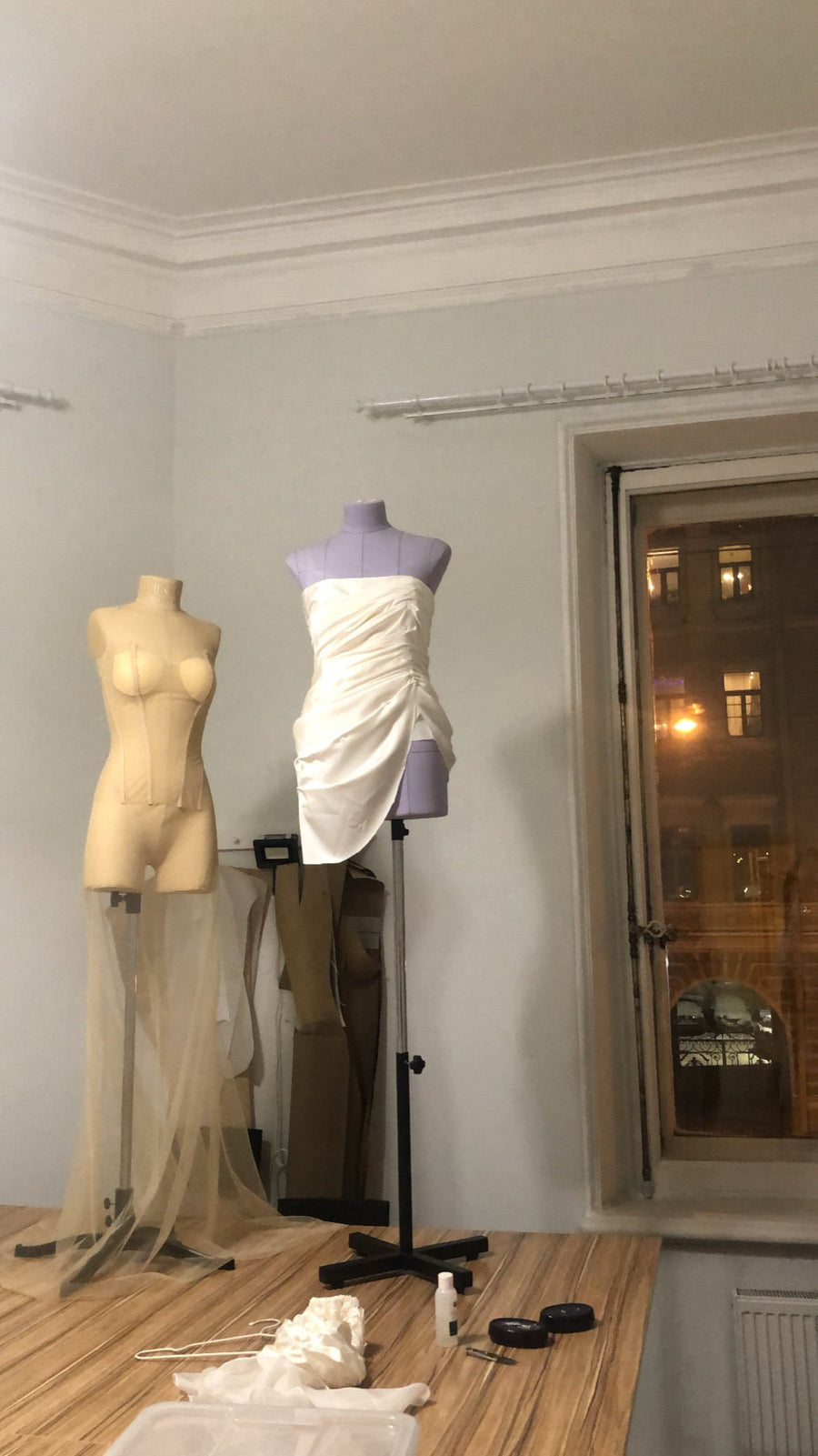
Wedding Dress Lining Explained: The Layer That Decides Comfort and Opacity
What a wedding dress lining does, how it affects opacity, warmth, comfort, and drape, the common lining fabrics, and why an unlined dress is rarely finished.
Read →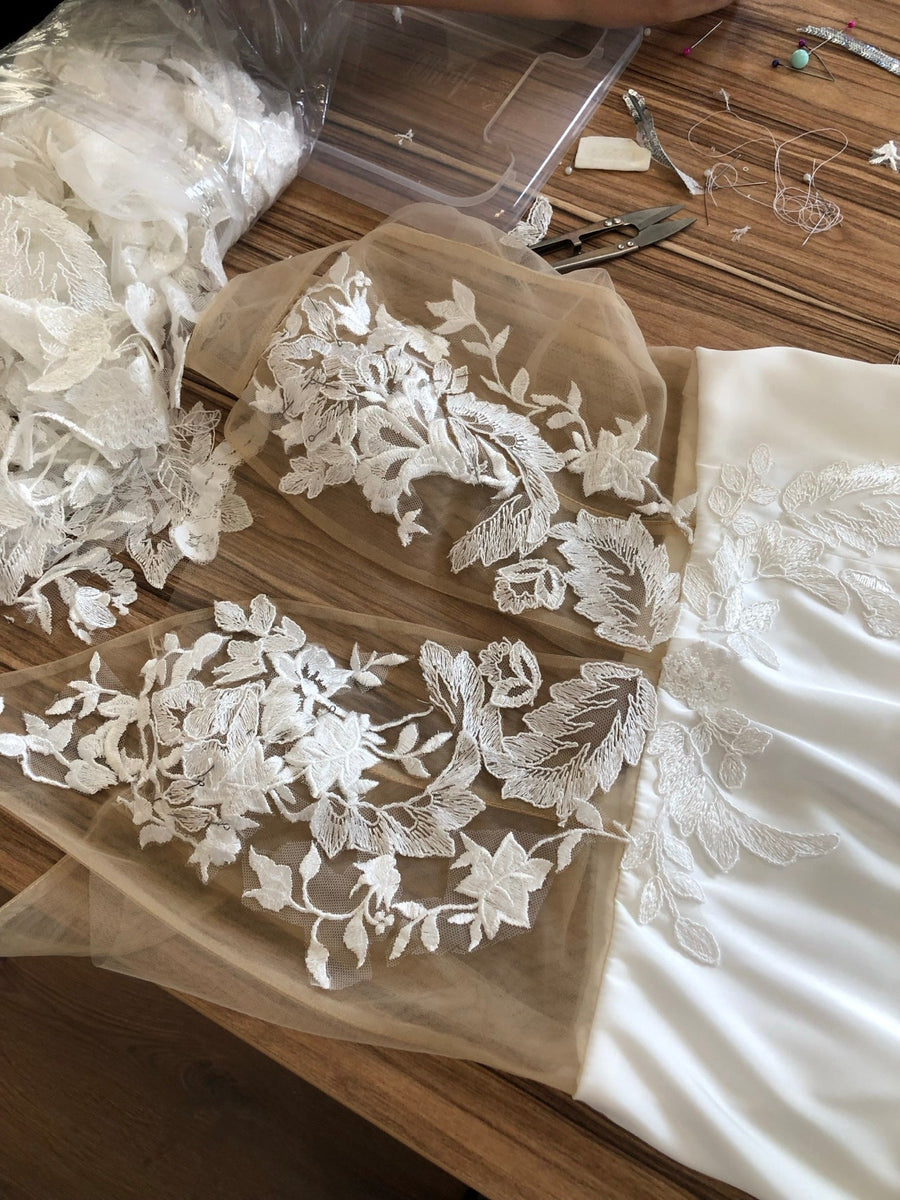
3D Floral Appliqué on a Wedding Dress: How It's Made and What It Costs
How 3D floral appliqué is built and placed on a custom wedding dress, how it changes weight and movement, where it works, and what drives the cost.
Read →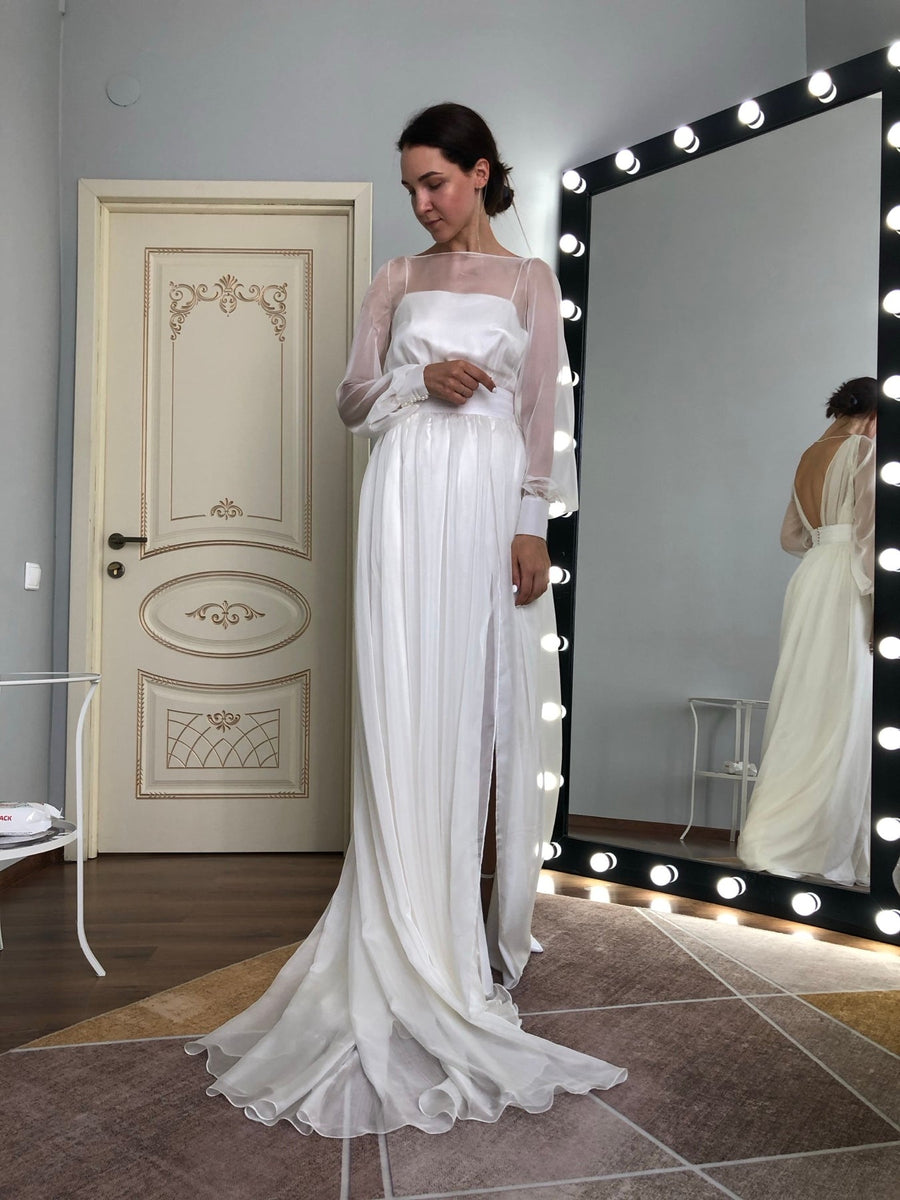
Crepe Wedding Dress Guide: The Matte, Fluid Fabric Behind the Modern Gown
What crepe is, how it drapes, why it suits modern minimal gowns, where it struggles, and how to plan a custom crepe wedding dress.
Read →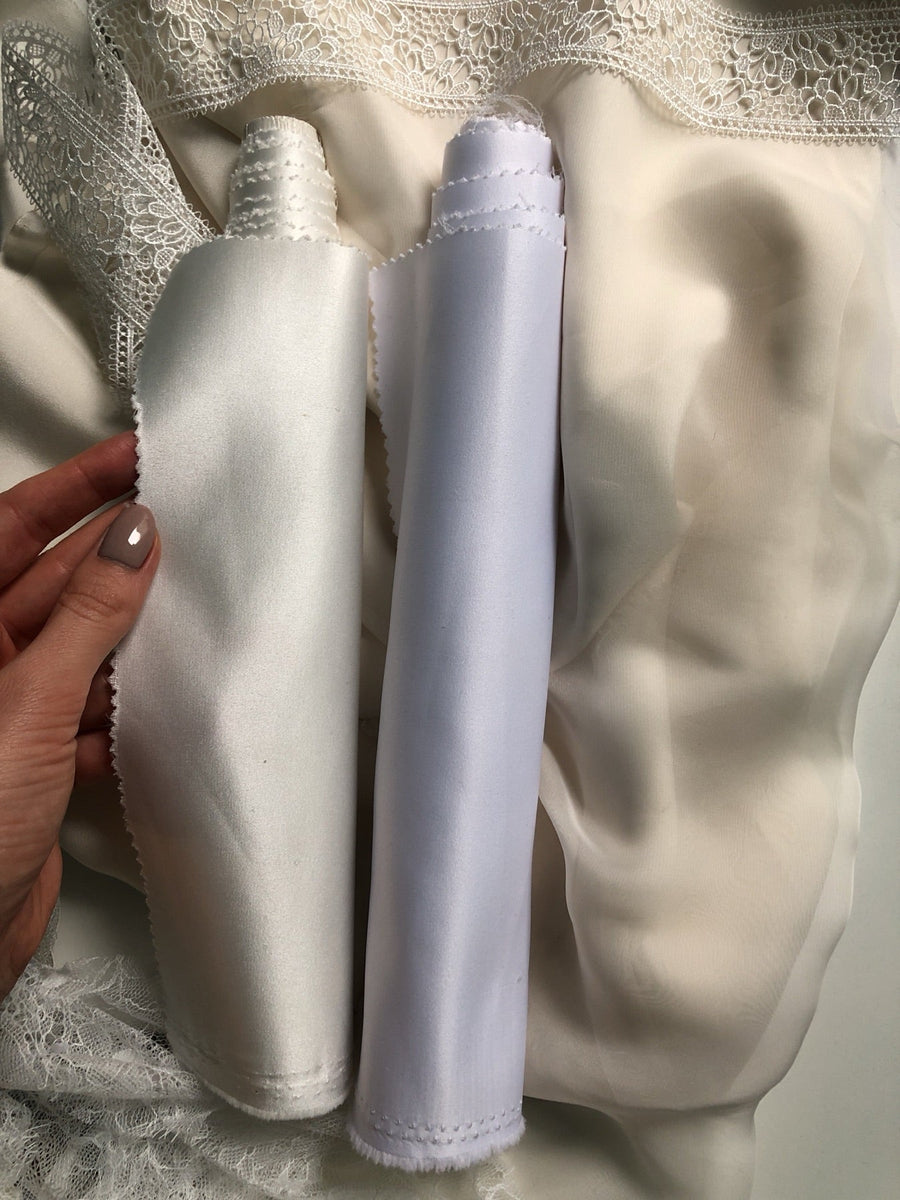
Natural Silk and Synthetic Fabrics in a Wedding Dress: What Changes
How natural silk and synthetic fabrics differ in a wedding dress: sheen, drape, feel, care, and price, and how to decide which one your design needs.
Read →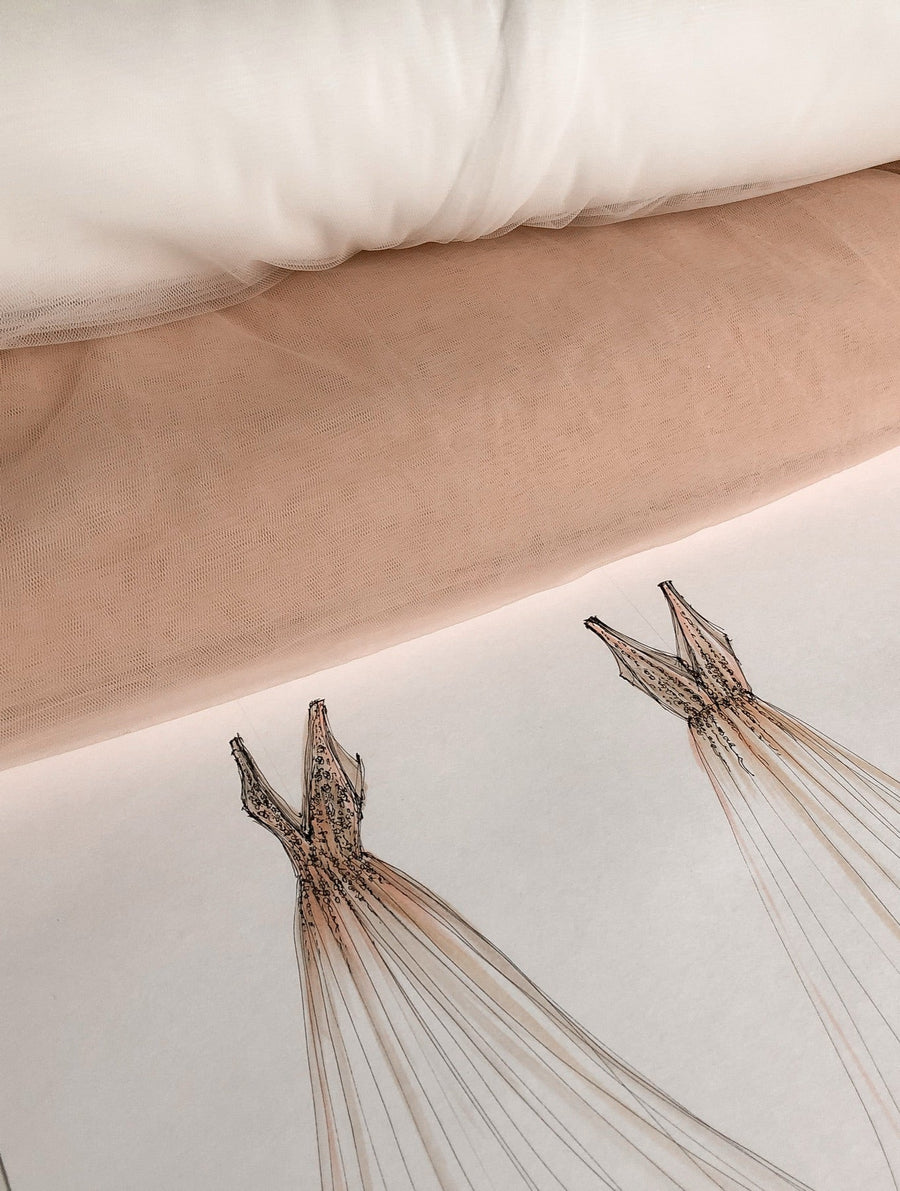
Wedding Dress Lace Types: Chantilly, Alençon, Guipure, and Corded Lace
A practical guide to the lace types used in custom wedding dresses, how each one looks and behaves, where it works best, and how it affects cost.
Read →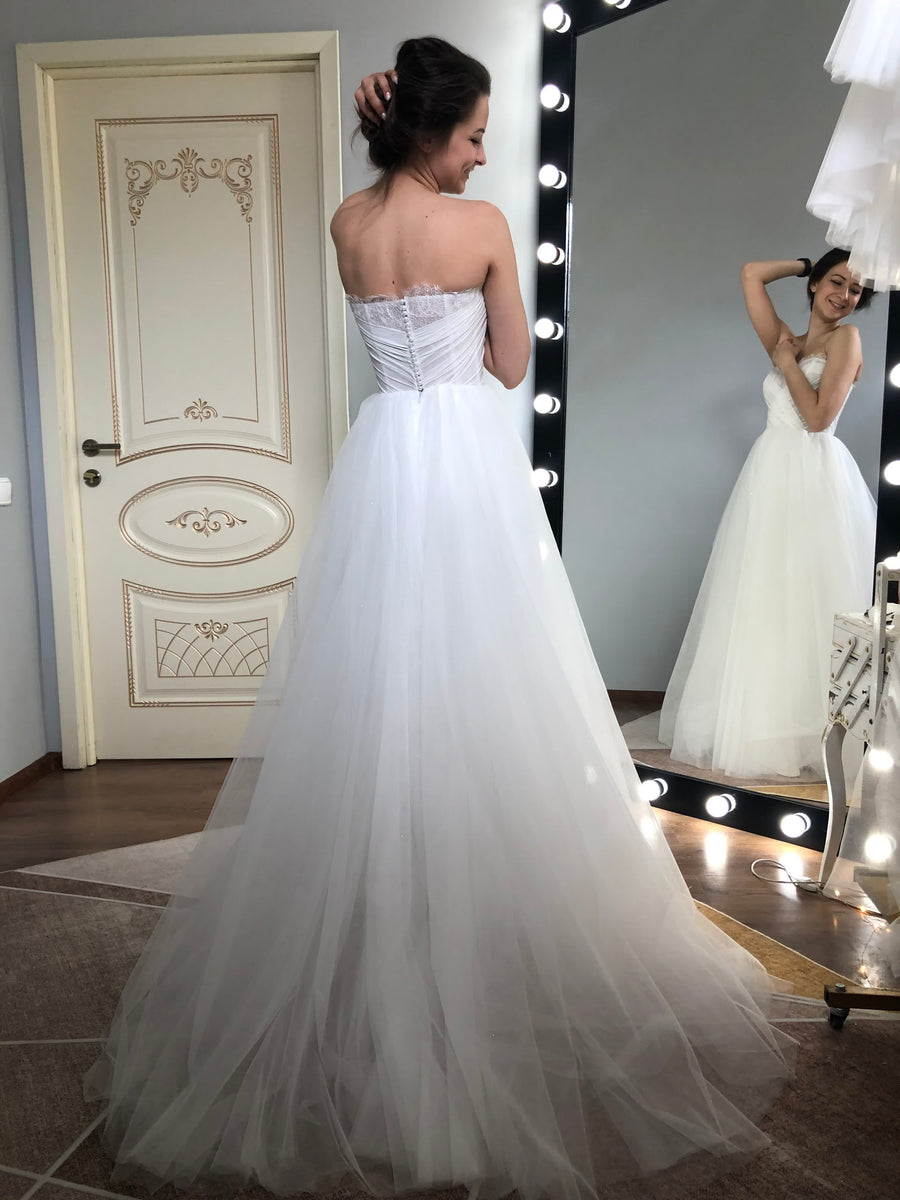
Preserving a Wedding Dress as a Future Heirloom
Passing a wedding dress down to a daughter or family member takes more than good intentions. Here's what to plan for at the consultation, and what real preservation involves after the wedding.
Read →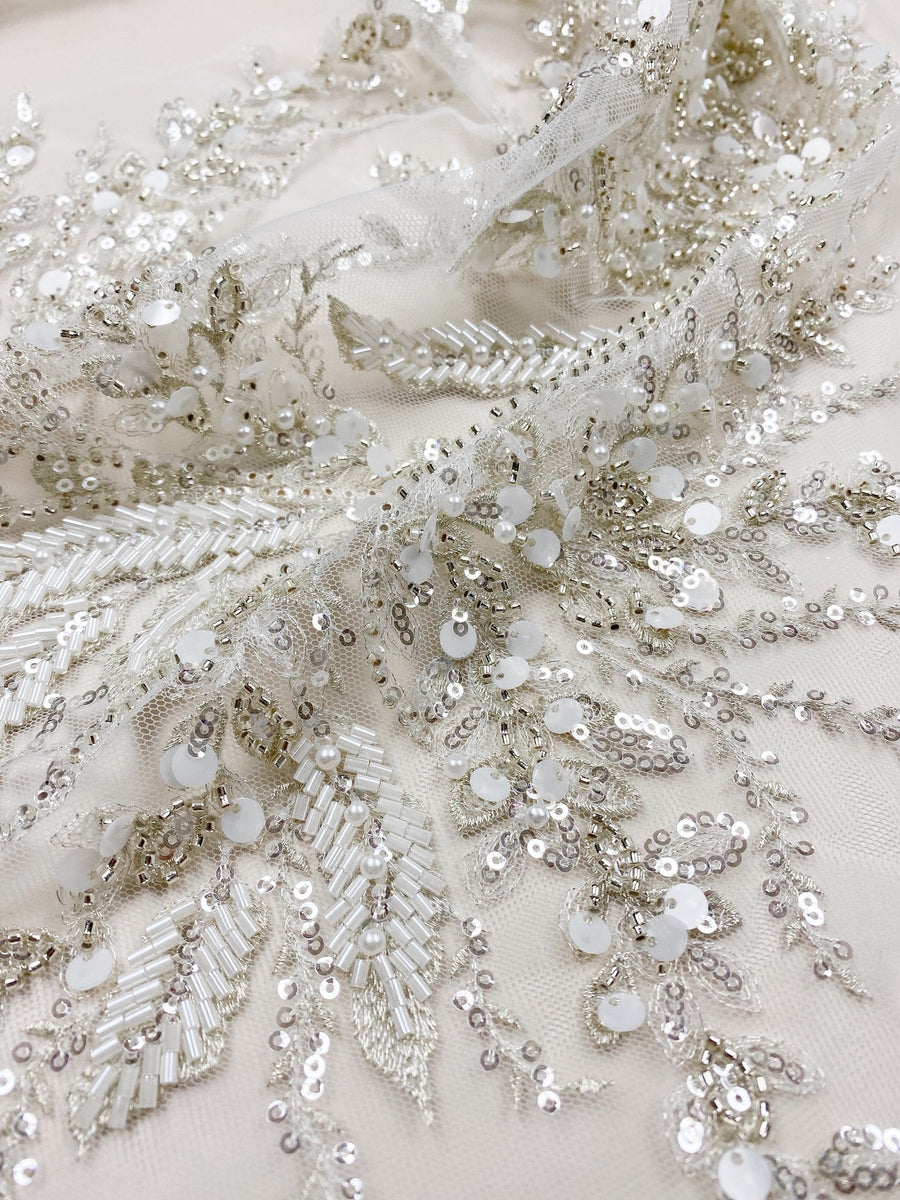
Hand Beading vs. Machine Beading: How to Tell the Difference Before You Buy
"Hand-beaded" is easy to claim and hard to verify from a photo. Here's how to actually tell hand beading from machine work before you order a wedding dress.
Read →
What Happens to a Wedding Dress After the Wedding? Why Construction Quality Decides
Most wedding dresses are worn once and packed away. Whether one can be preserved, altered, or worn again comes down to how it was actually built.
Read →
How We Select Fabrics for Each Custom Order
Fabric is one of the first decisions in a custom wedding dress, not the last. Here’s how we approach fabric selection at Lutien Bridal — from the first conversation to sourcing from European mills.
Read →or organza?
The Best Wedding Dress Fabrics for a Custom Gown: Satin, Crepe, Chiffon, and More
Satin, crepe, chiffon, lace, organza — each wedding dress fabric drapes, moves, and photographs differently. Here’s how to choose the right one for your silhouette and your wedding day.
Read →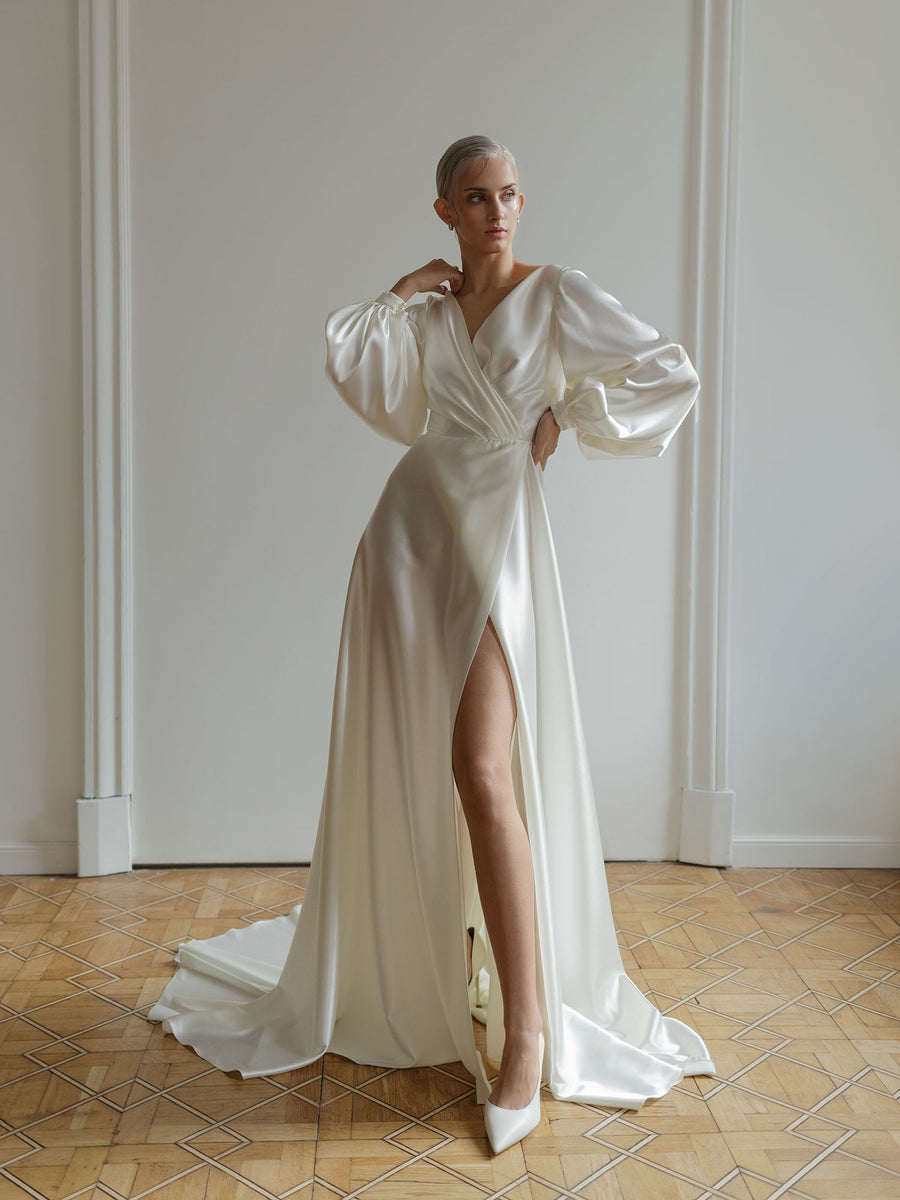
Satin Wedding Dress Guide: Types, Weight, Drape, and Fit
Compare satin wedding dress types by weight, sheen, drape, fit, wrinkles, season, and photography.
Read →
Wedding Dress Alterations After Delivery: Working With a Local Tailor
What to check when a custom wedding dress arrives, what a local tailor can safely alter, what to leave alone, and how to hand over the atelier's fitting notes.
Read →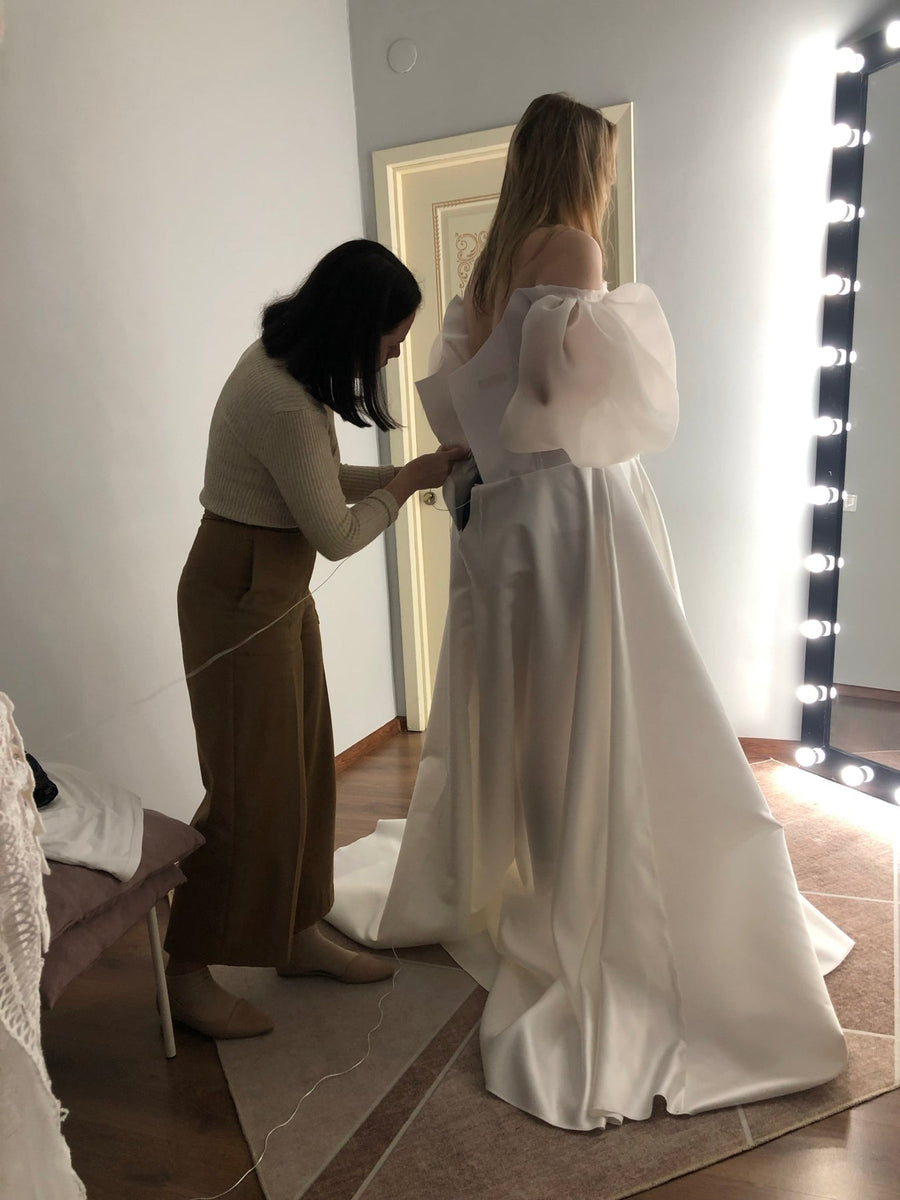
Wedding Dress Hem Finishes Explained: Horsehair, Rolled, and Bound
How wedding dress hems are finished: horsehair braid, rolled hem, bound hem, and lettuce edge, what each does to the skirt, and how the hem is set on a custom gown.
Read →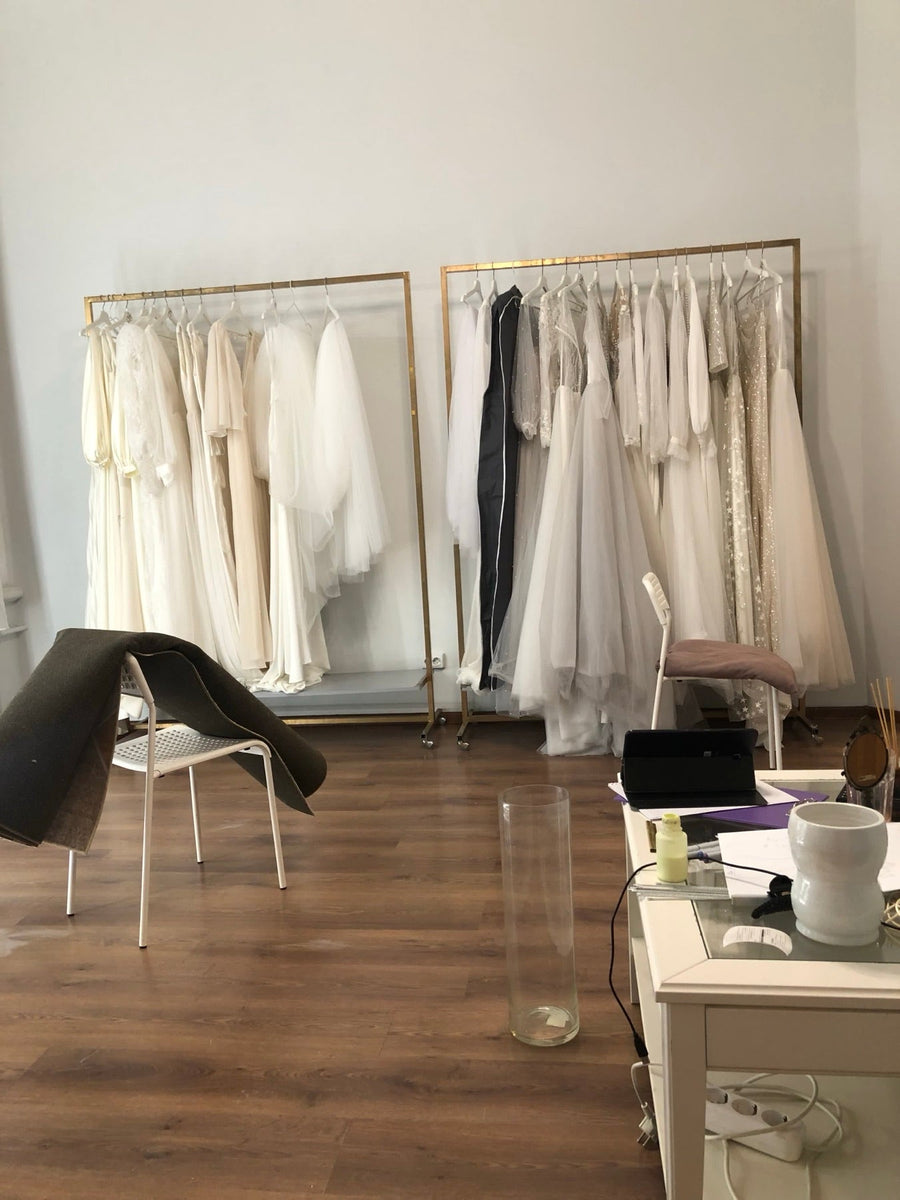
How Many Fittings Does a Custom Wedding Dress Need?
How many fittings a custom wedding dress needs, what each one is for, how it works remotely, and how the number changes with the design and your timeline.
Read →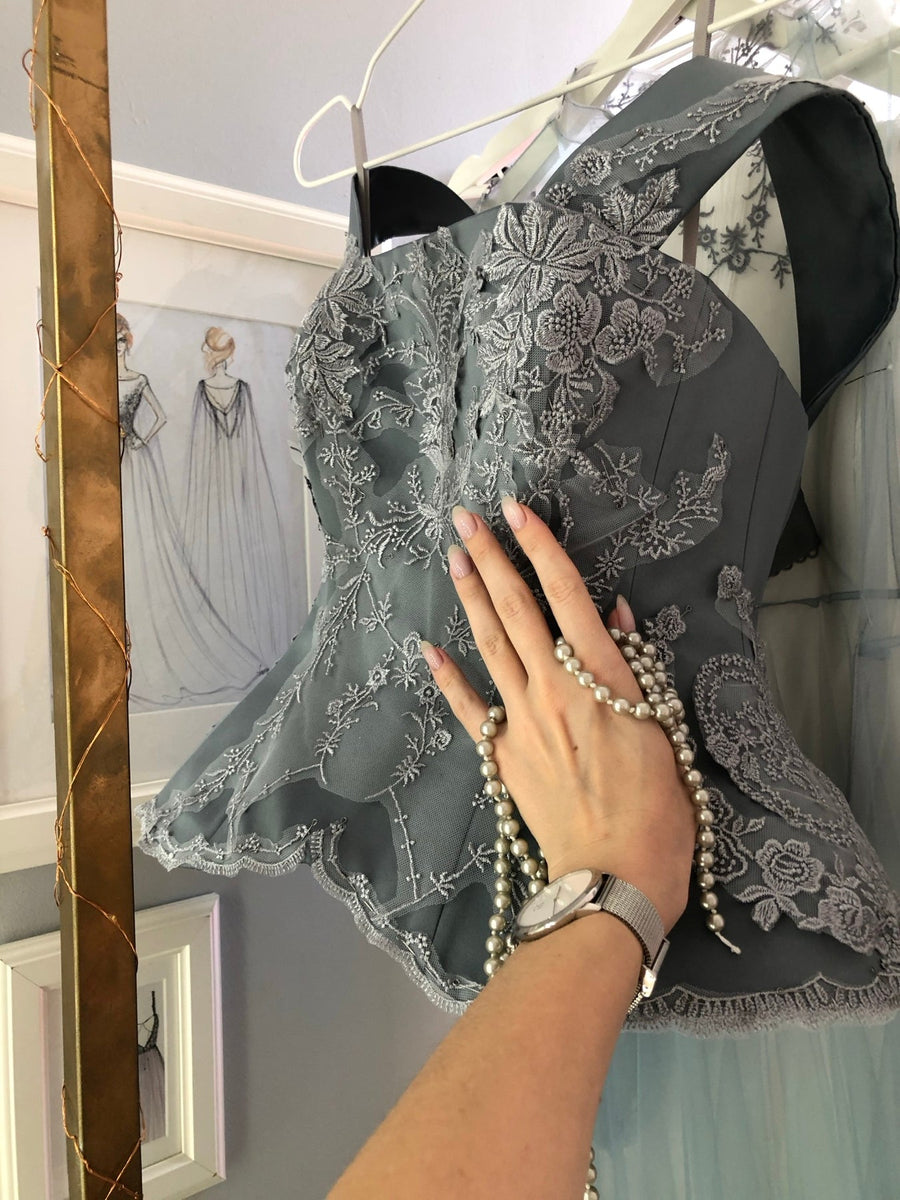
Can You Change the Design After Approving the Sketch?
What can and cannot be changed after you approve a custom wedding dress sketch, how the production stage affects it, and how to reduce the risk of wanting a change.
Read →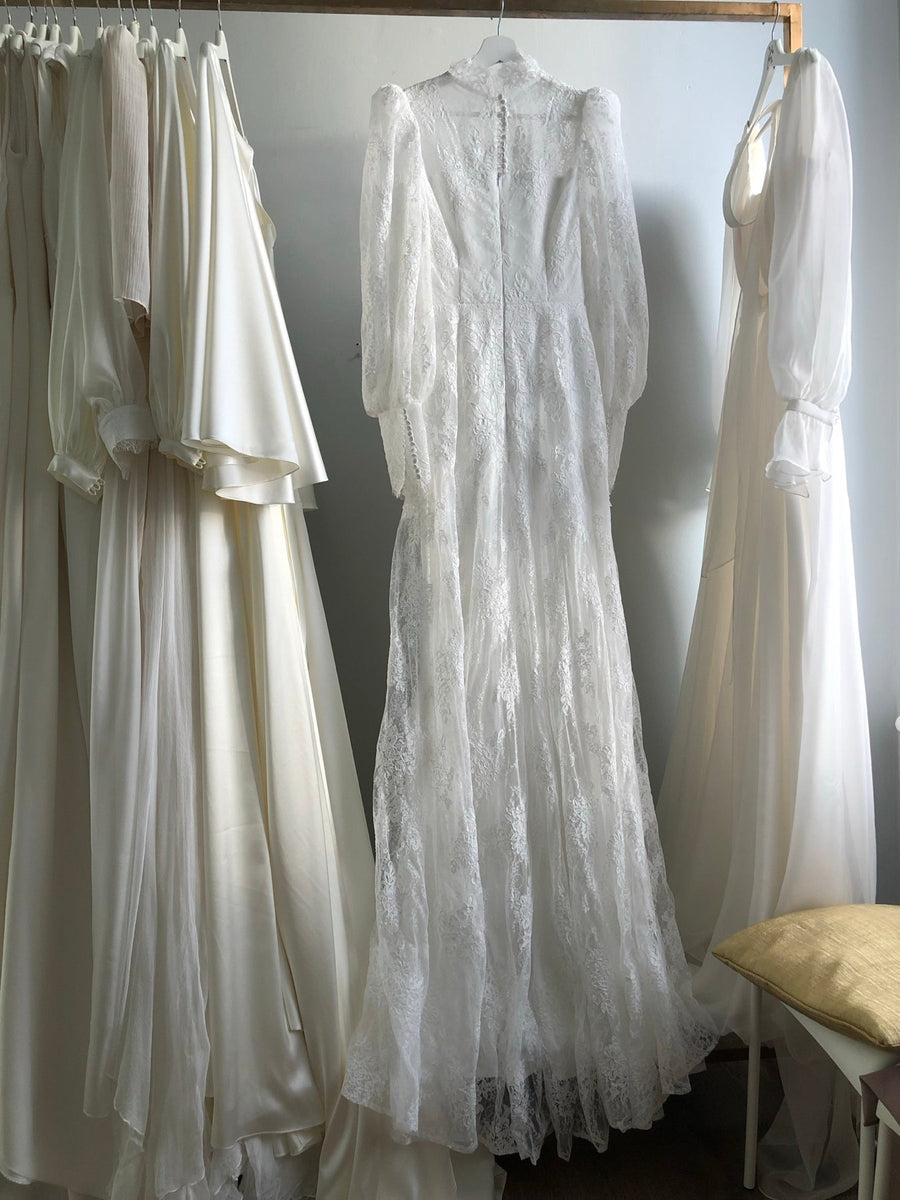
Wedding Dress Closures: Buttons, Zip, or Corset Lacing
How wedding dress closures compare: covered zip, button loops, and corset lacing. Which is most secure, most adjustable, fastest to dress, and how to combine them.
Read →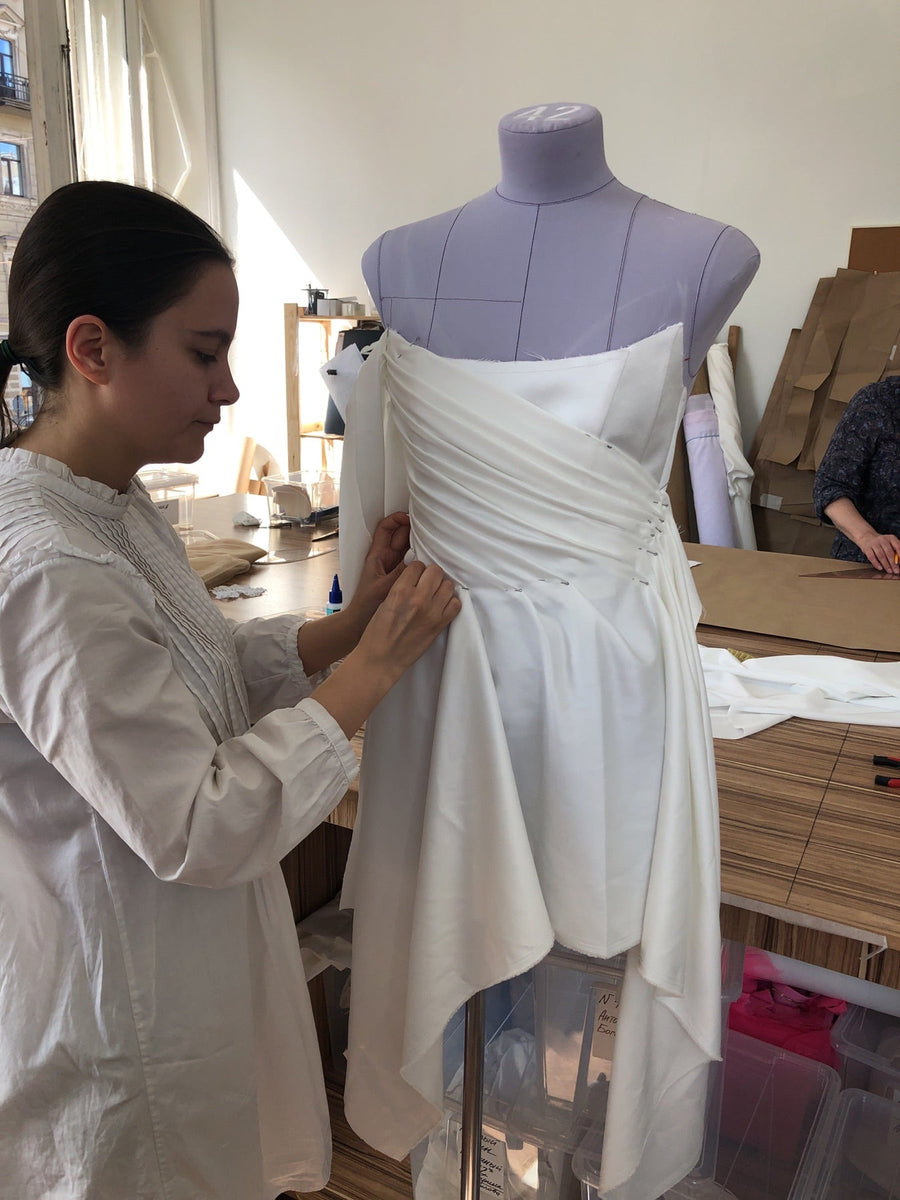
What Is a Wedding Dress Mockup, and Why We Make One
A wedding dress mockup is a test version in plain fabric. Here is what it is for, when it is made, and how it protects the fit of a remote custom order.
Read →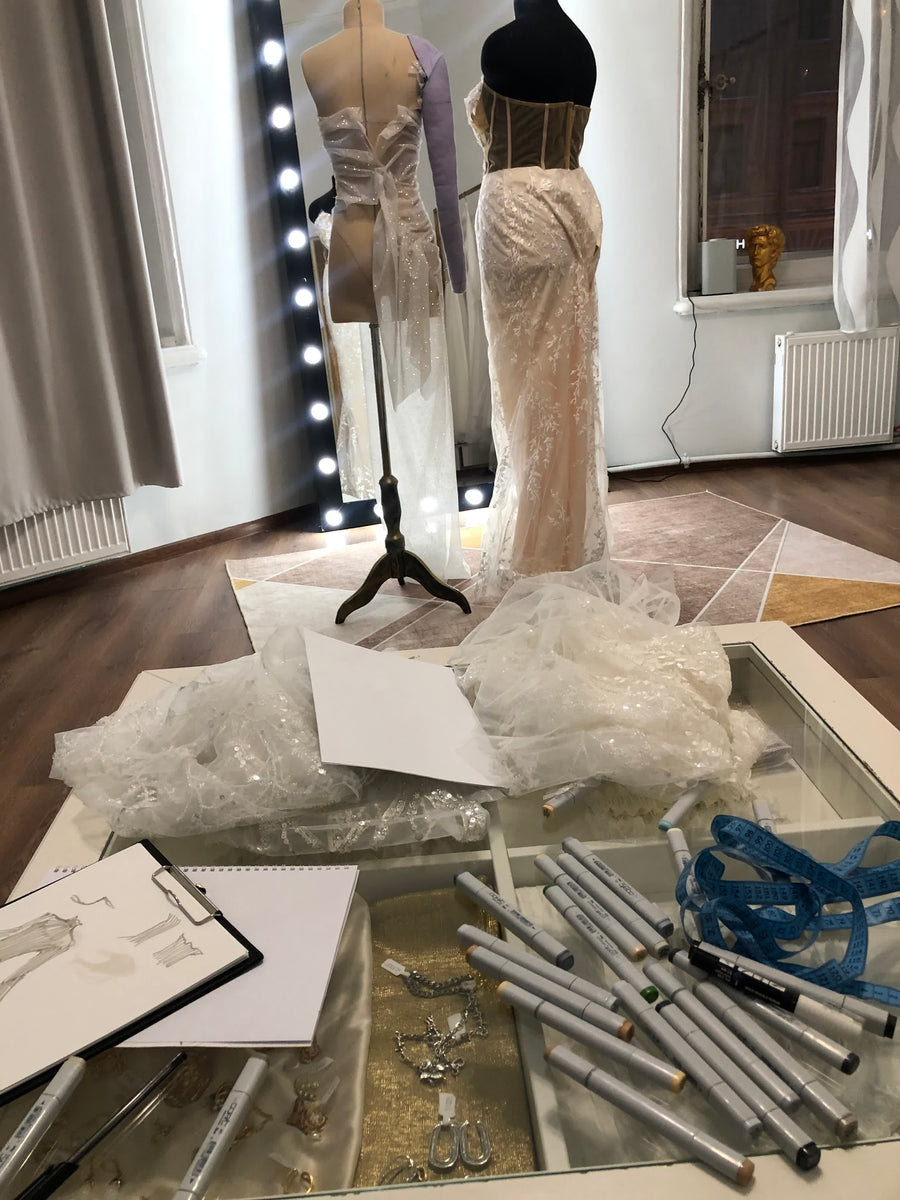
Why Your Wedding Dress Consultation Should Feel Like a Conversation, Not a Sales Pitch
A good design consultation asks questions before it makes suggestions. Here's what that looks like, and what it means when it feels like a sales pitch instead.
Read →
What "Made in France" Actually Means for a Wedding Dress
"Made in France" isn't a marketing label on a custom dress — it describes where and how the gown is actually built. Here's what that means in practice.
Read →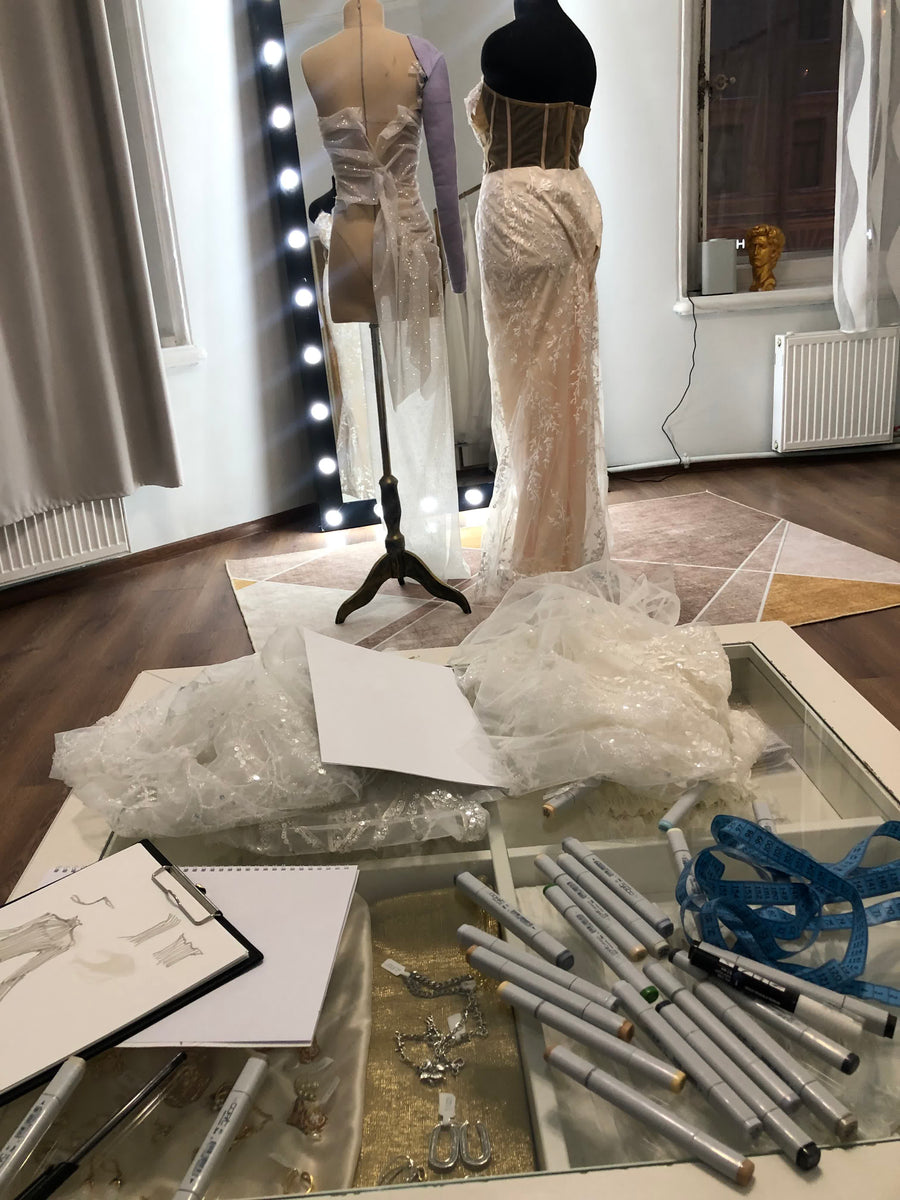
Why We Only Take a Limited Number of Orders Each Season
We cap how many dresses we take on each season. Here's the operational reason — not scarcity marketing — and what it protects for every bride in the queue.
Read →
From Sketch to Dress: The Design Process at Lutien Bridal
How a bride’s Pinterest board becomes a finished custom wedding dress: the full design journey at Lutien Bridal, from first references to final photo before shipping.
Read →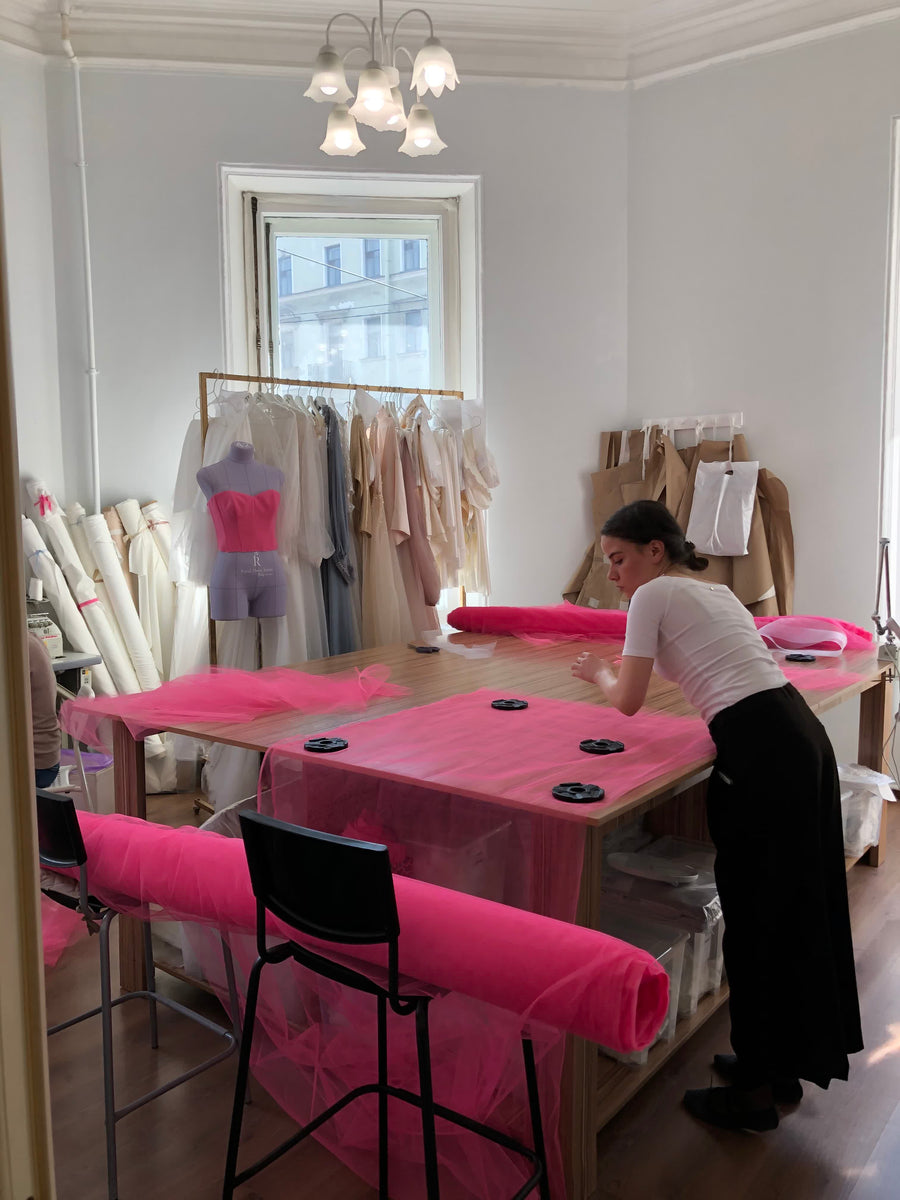
Inside the Atelier: How a Custom Wedding Dress Is Made
From first sketch to UPS delivery: the full 10–12 week process of making a custom wedding dress at Lutien Bridal's atelier in France.
Read →one dress
Bespoke vs. Made-to-Order vs. Made-to-Measure vs. Off-the-Rack: What Each Really Means
Bespoke, made-to-order, made-to-measure, off-the-rack — these wedding dress terms aren’t one price ladder. They describe two separate things: how a dress is fitted and how it’s designed. Here’s what each really means before you order.
Read →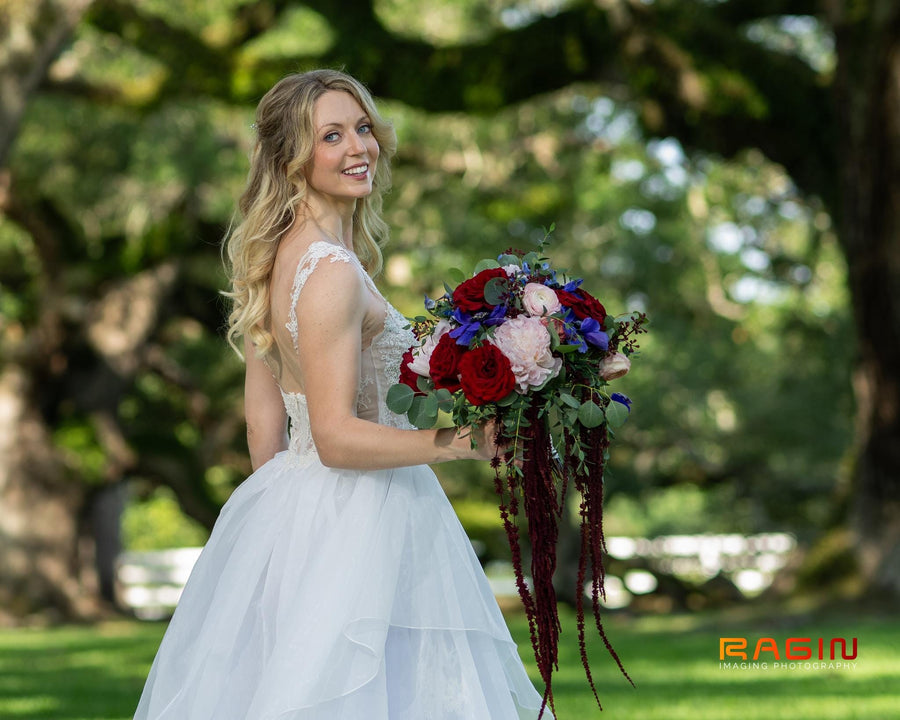
What to Tell Your Dress Designer: A Real Custom Order, From Vision to Finished Gown
You don't need a design brief. One bride sent us a Pinterest board and a hand-drawn diagram. Here's the dress we built, and how it actually works.
Read →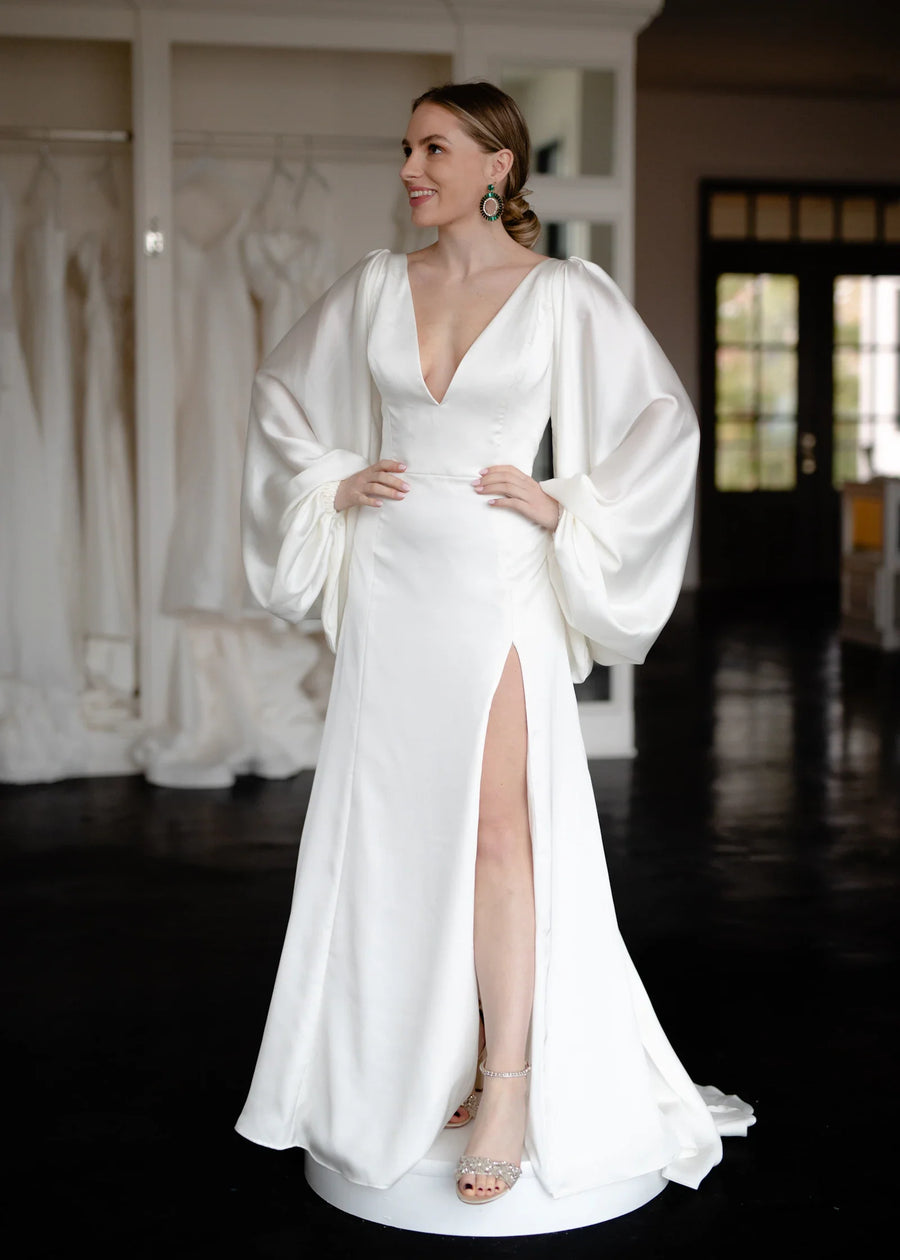
What Happens During a Remote Fitting? A Step-by-Step Walkthrough
When you order a custom dress from a remote atelier, there's no studio visit — and that's the point. The dress is built to your measurements, not adjusted after. Here's exactly how each checkpoint works across the 10–12 week production process.
Read →
12 Questions to Ask Before Ordering a Custom Wedding Dress Online
Ordering a custom wedding dress online? These 12 questions reveal everything you need to know about an atelier before you commit — timelines, pricing, photos, and more.
Read →
Why Made-to-Order Wedding Dresses Are Slow Fashion's Best-Kept Secret
Most wedding dresses are polyester, cut in bulk, discarded by the season. Made-to-order changes all of that — one dress, made once, made for you.
Read →
Custom Wedding Dress Timeline: 10-12 Weeks From Sketch to Completion
A week-by-week custom wedding dress timeline: 10 to 12 weeks of production, 3 to 5 days for US delivery, and when to order.
Read →
The Complete Guide to Ordering a Custom Wedding Dress Online
How to order a custom wedding dress online: real costs, 10–12 week production, and what to expect from an atelier in France.
Read →
How Payment Works for a Custom Wedding Dress: One Price, All-Inclusive
How Lutien Bridal handles the free initial sketch, individual gown quote, payment, production timing and rush fees.
Read →
Wedding Dress Rental vs. Custom: What You're Actually Trading Off
Renting a wedding dress trades ownership and fit precision for a lower upfront cost. Here's what that trade actually involves before you decide.
Read →
Hand Embroidery on a Wedding Dress: What It Takes and What It Costs
Hand embroidery on a custom wedding dress is applied bead by bead, after construction. Here's how the technique works, how long it takes, and what it costs.
Read →
7 Red Flags When Buying a Custom Wedding Dress Online
Learn seven warning signs to check before buying a custom wedding dress online, from unclear timelines to missing production updates.
Read →
How Much Does a Custom Wedding Dress Cost? A Real Price Breakdown
Custom gowns start at €1,490 in Europe and $1,890 in the US. Final quotes depend on design, fabric, and handwork; detailed US price examples below.
Read →gown
Destination Wedding Dress: Packing, Travel, and Timeline Considerations
Planning a destination wedding dress? Here's how to time your order, what to ask for in construction, and how to pack and travel with a custom gown.
Read →
Customs, Duties, and Delivery: How Your Wedding Dress Reaches the US
Will you pay customs or duties on a custom wedding dress shipped to the US? Here's exactly who handles it, and our record across more than 1,000 deliveries.
Read →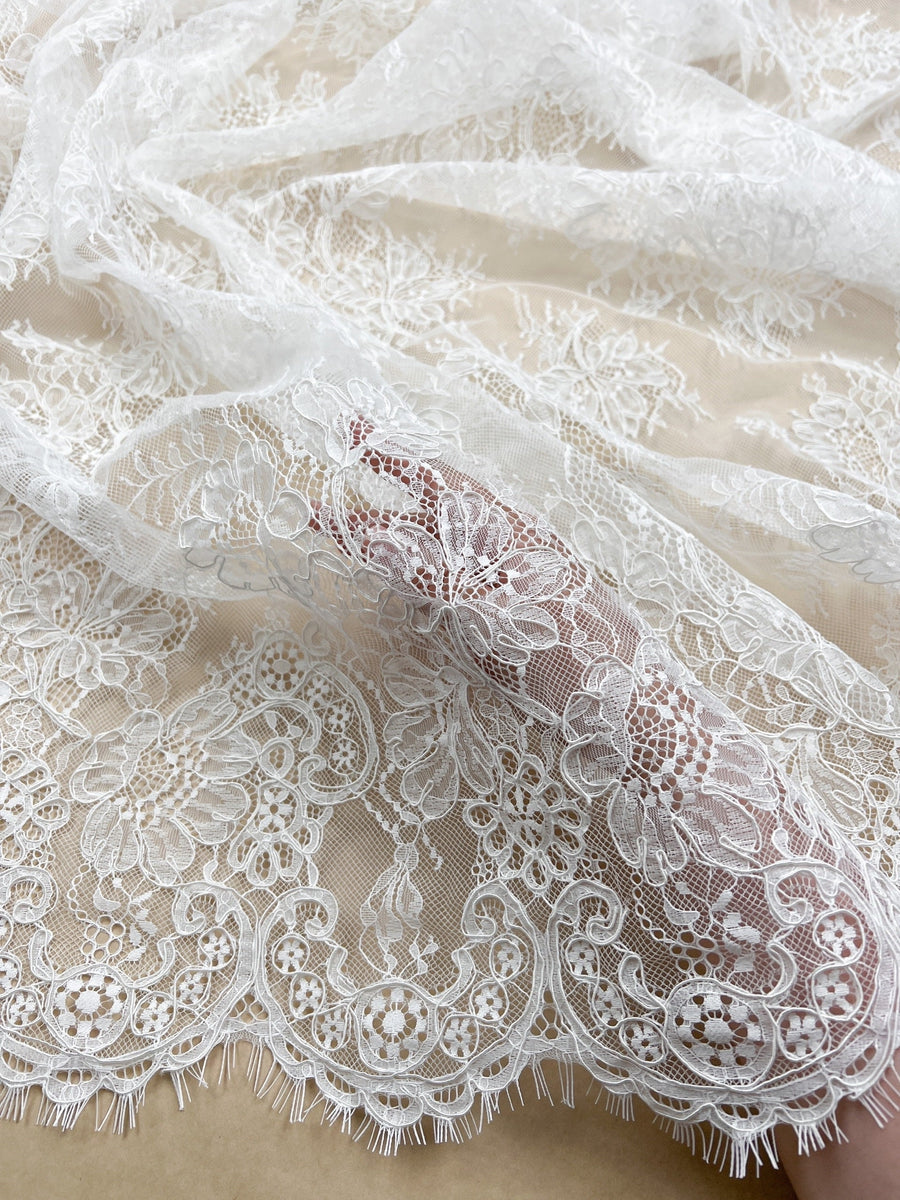
Ordering a Wedding Dress from a European Atelier: What US Brides Need to Know
Worried about customs, sizing, and payment when ordering from France? Here's every US-specific question about international bridal — answered practically.
Read →
Cascading Ruffle Wedding Dress: One Diagonal Ruffle That Does the Work
How a cascading or spiral ruffle is built on a wedding dress, where it starts and ends, how it differs from a tiered skirt, and how to plan one on a custom gown.
Read →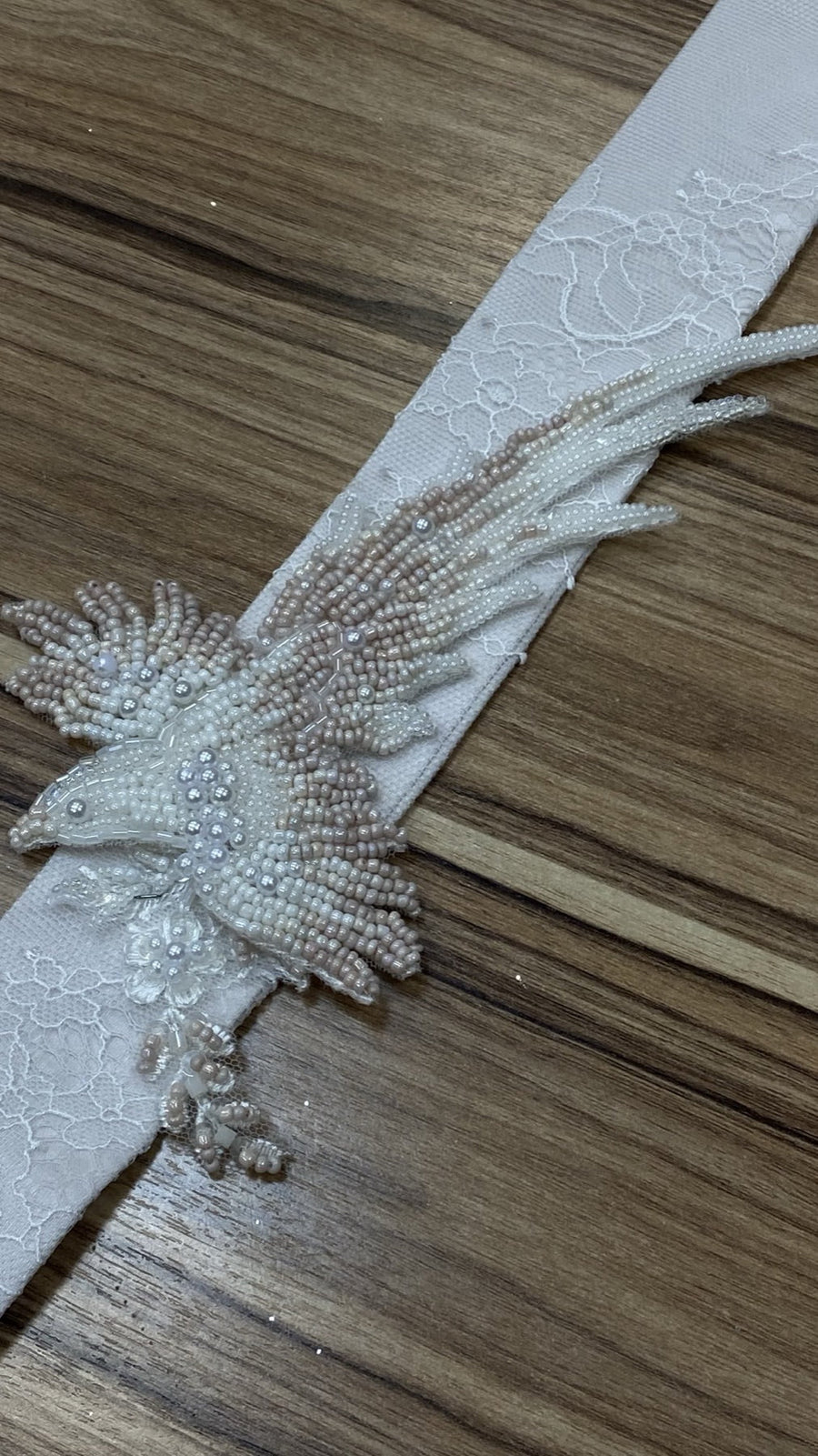
Bridal Belt and Sash Guide: Defining the Waist Without a Seam
How a bridal belt or sash defines the waist, the difference between a stiff belt, a soft sash, and a beaded band, where to place it, and how to plan one custom.
Read →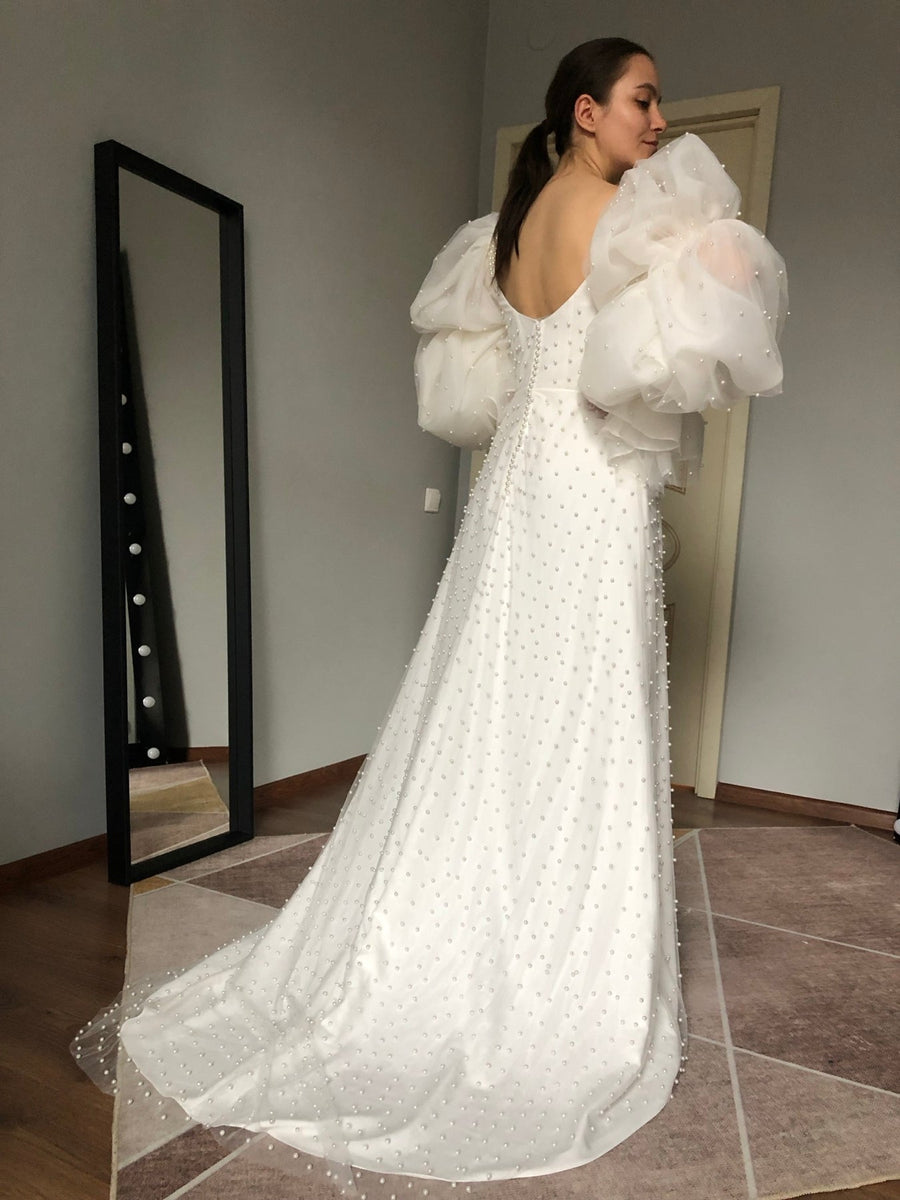
Grecian and Goddess Draped Wedding Dress: Soft Structure That Moves
How a Grecian or goddess wedding dress is draped and supported, which fabrics fall right, how the pleats are set, and how to fit a draped gown on a custom order.
Read →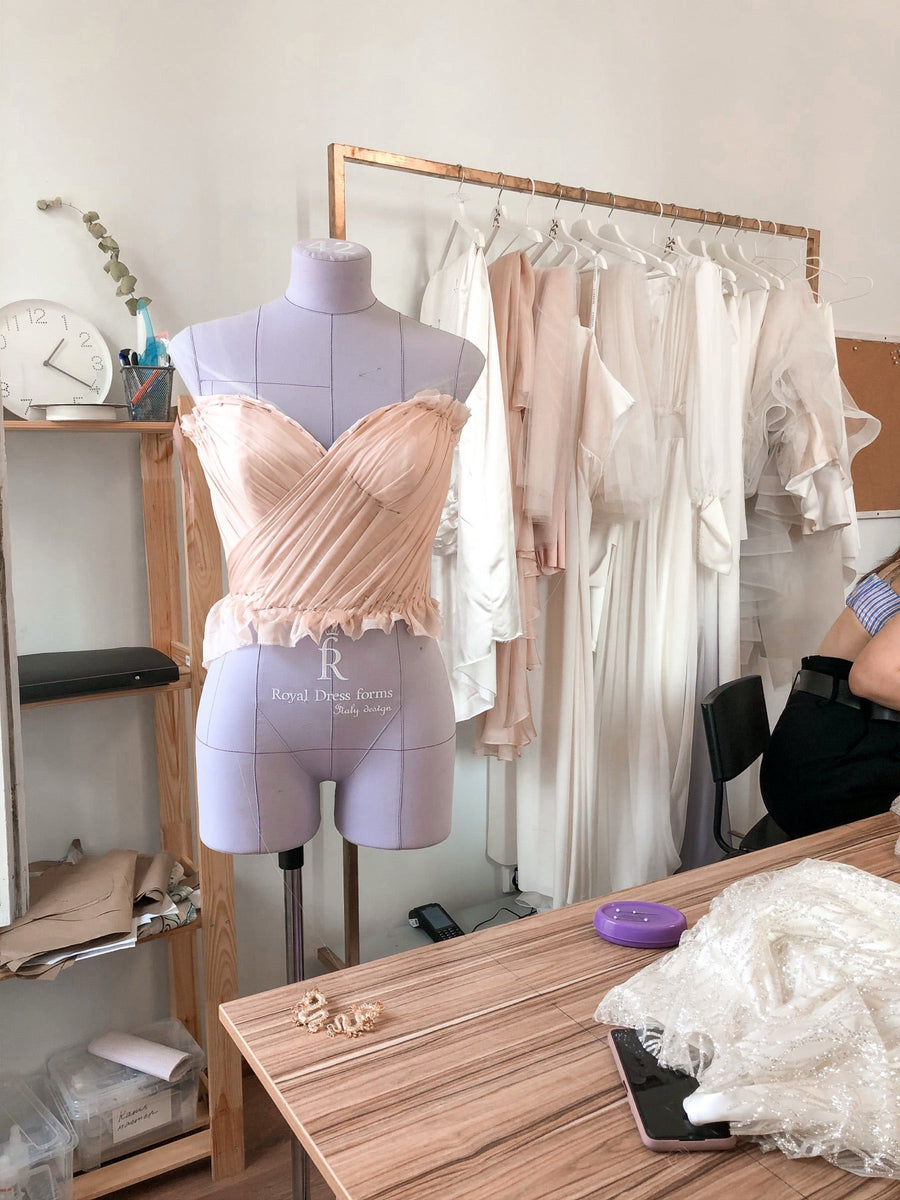
Ruched and Pleated Bodice Wedding Dress: Gathered Detail That Flatters
How a ruched or pleated wedding dress bodice is built, how gathering skims the midsection, draped versus knife pleats, and how to fit one on a custom gown.
Read →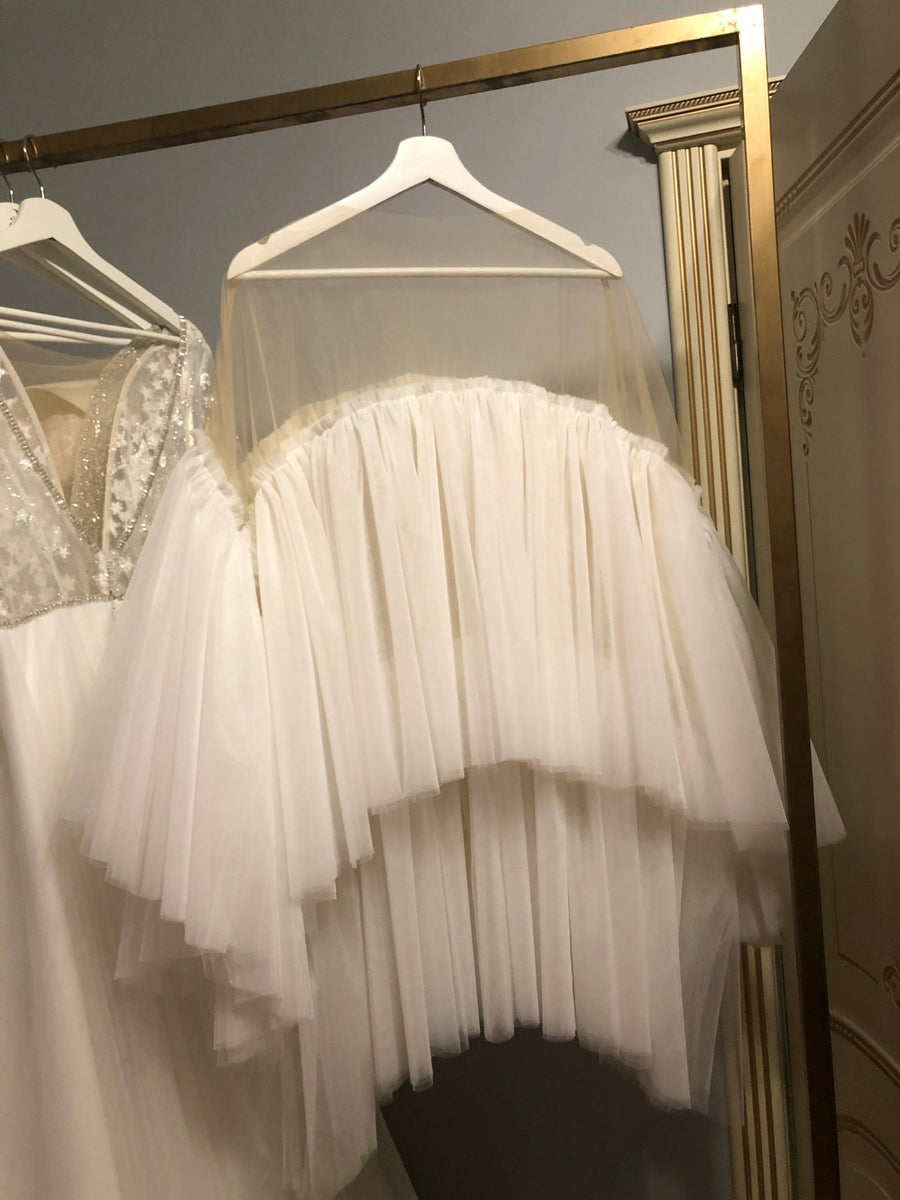
Ruffle and Tiered Skirt Wedding Dress: Volume, Weight, and Movement
How a tiered or ruffled wedding dress skirt is built, how many tiers give volume without weight, which fabrics move best, and how to plan one on a custom gown.
Read →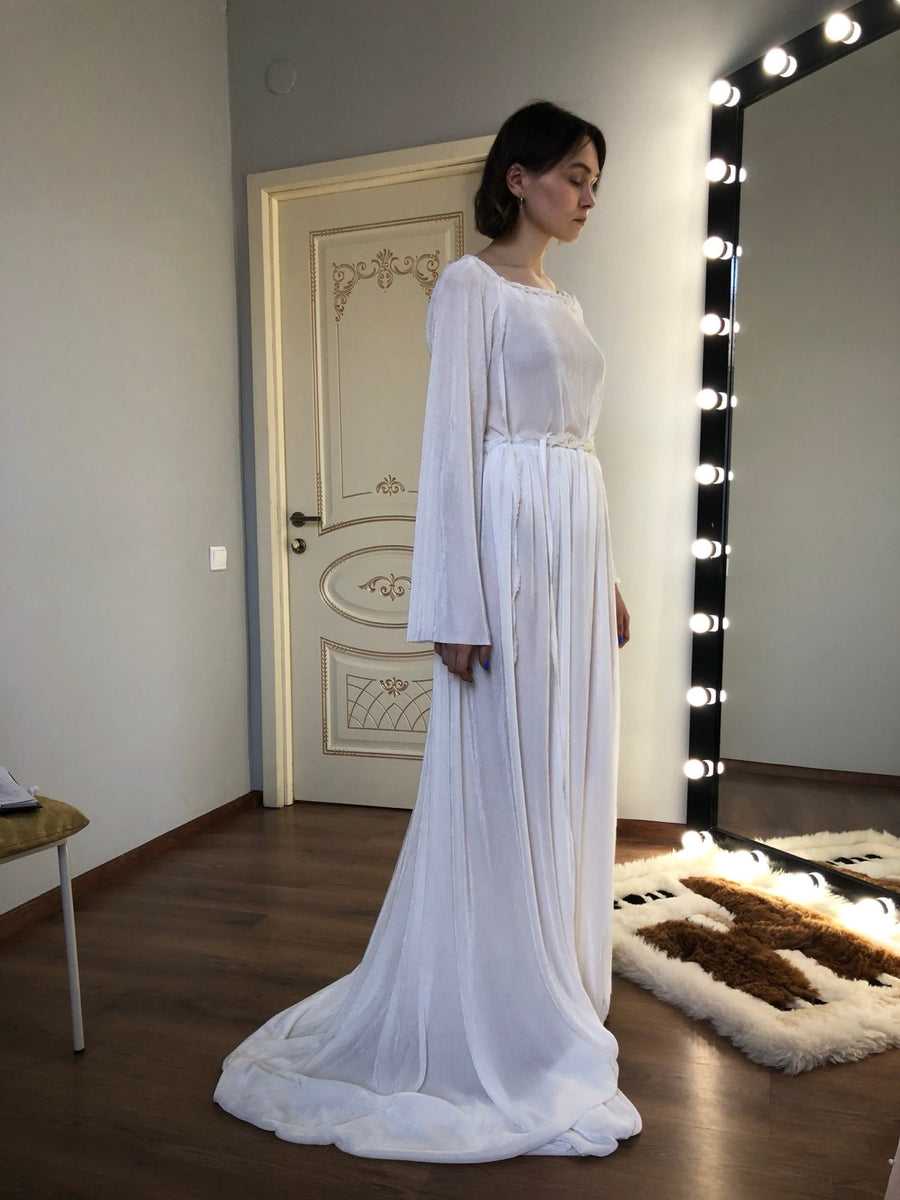
Flutter Sleeve and Cap Sleeve Wedding Dress: Soft Coverage at the Shoulder
The difference between a flutter sleeve and a cap sleeve, how each covers the upper arm, whether they support the dress, and how to fit one on a custom gown.
Read →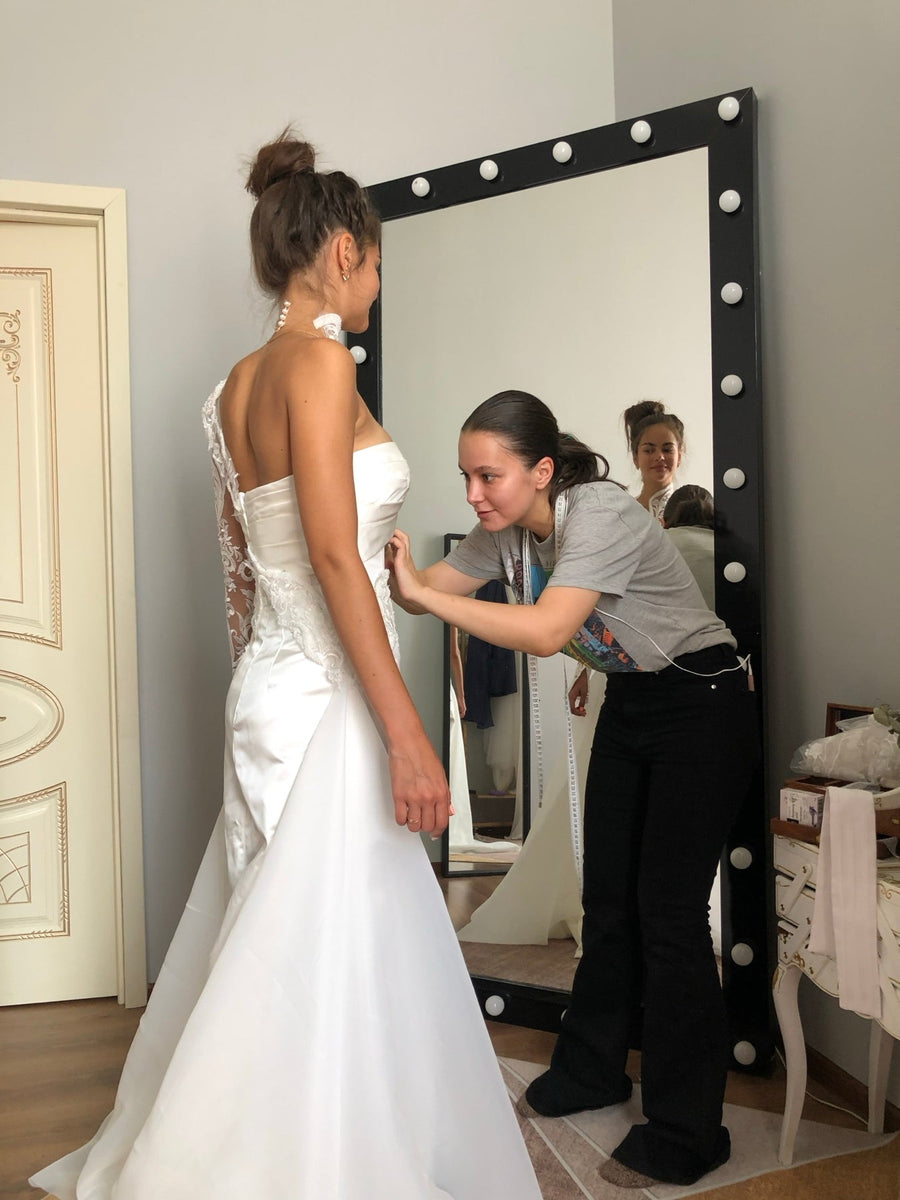
Sweetheart Neckline Wedding Dress: Shape, Support, and Coverage
How a sweetheart neckline is shaped and supported, how deep is too deep, straight versus curved versions, and how to fit one to your bust on a custom gown.
Read →
Puff Sleeve and Bishop Sleeve Wedding Dress: Volume and Fit
The difference between a puff sleeve and a bishop sleeve, how each is built to hold volume, detachable options, arm movement, and how to fit one on a custom gown.
Read →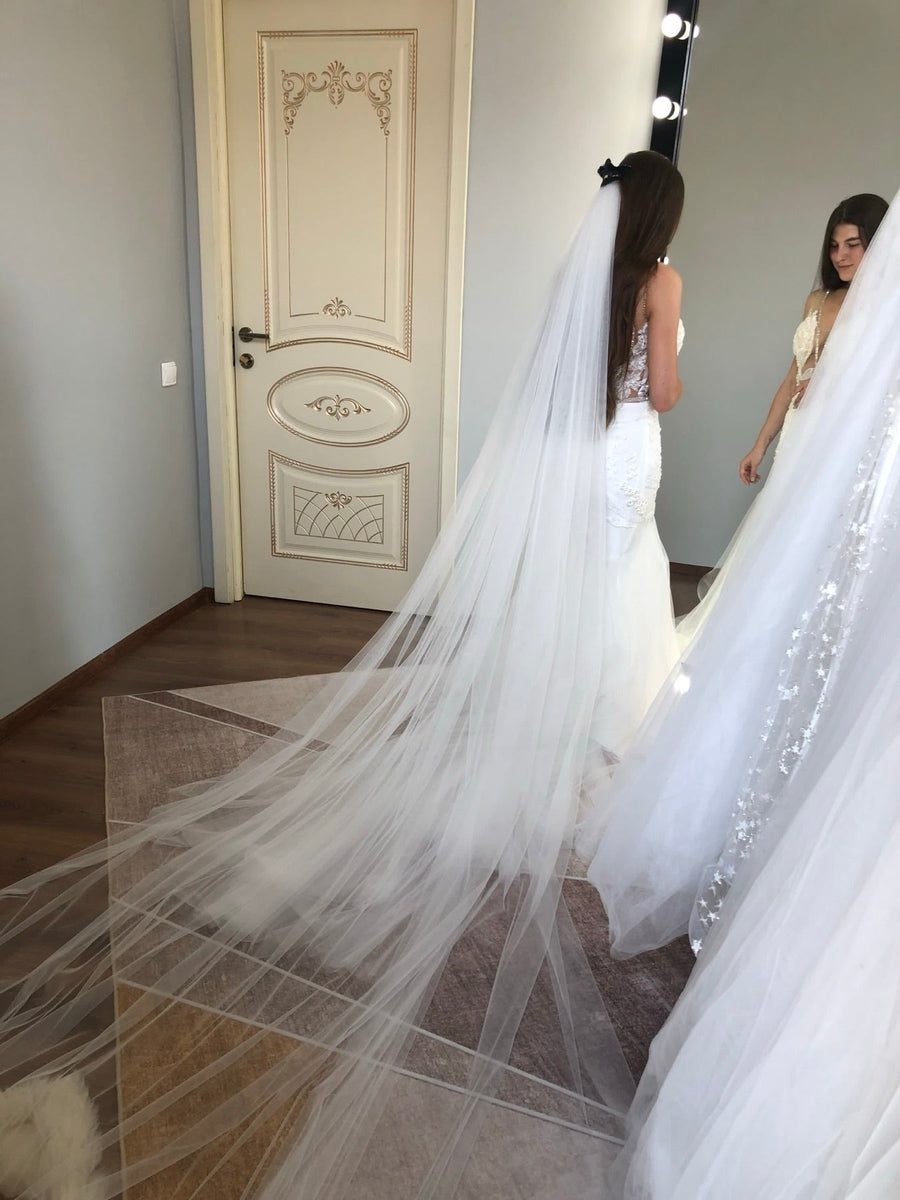
Spaghetti Strap and Thin Strap Wedding Dress: Support and Fit
How a spaghetti strap wedding dress stays supported, what the straps can and cannot hold, how to stop them digging or slipping, and how to fit one custom.
Read →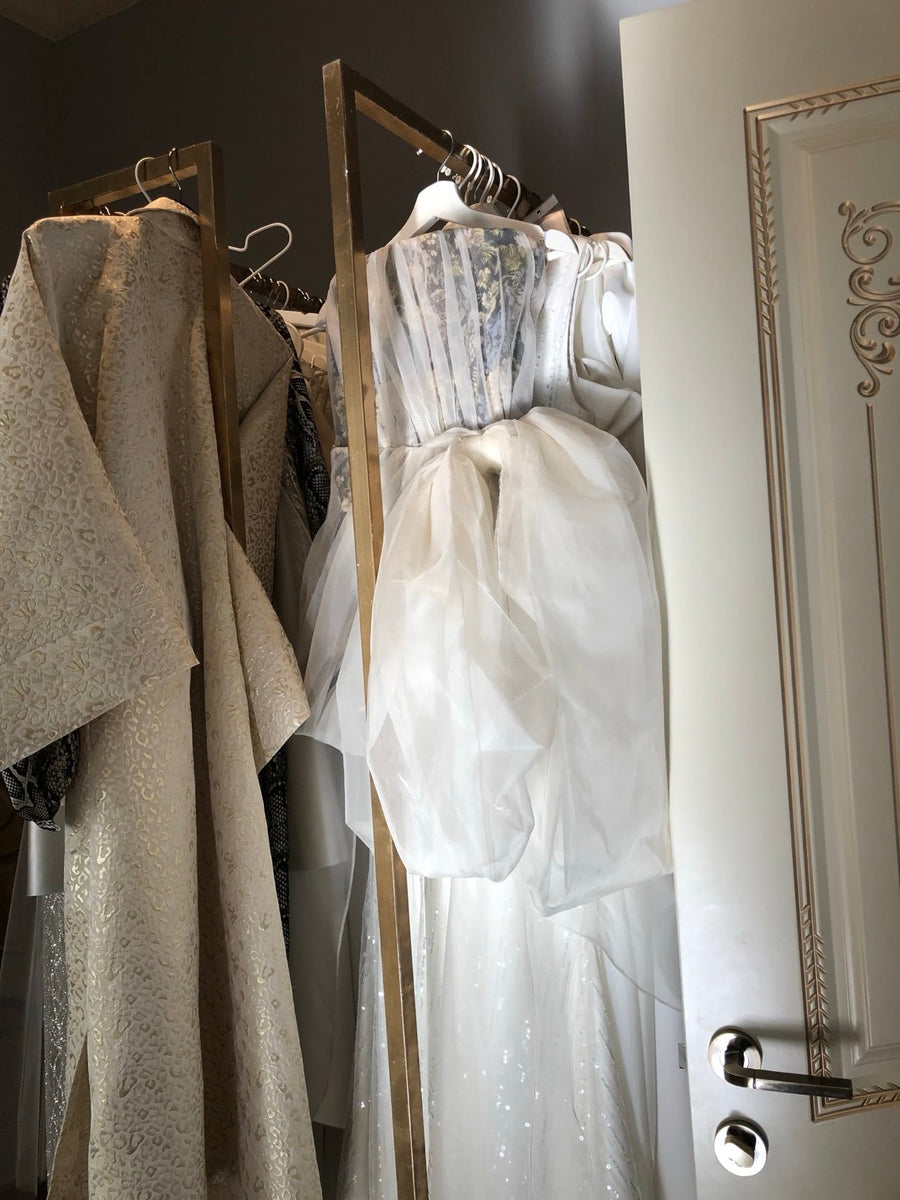
Removable Overskirt Wedding Dress: Two Looks From One Gown
How a removable wedding dress overskirt attaches and comes off, what it can add, how it differs from a detachable train, and how to plan one on a custom gown.
Read →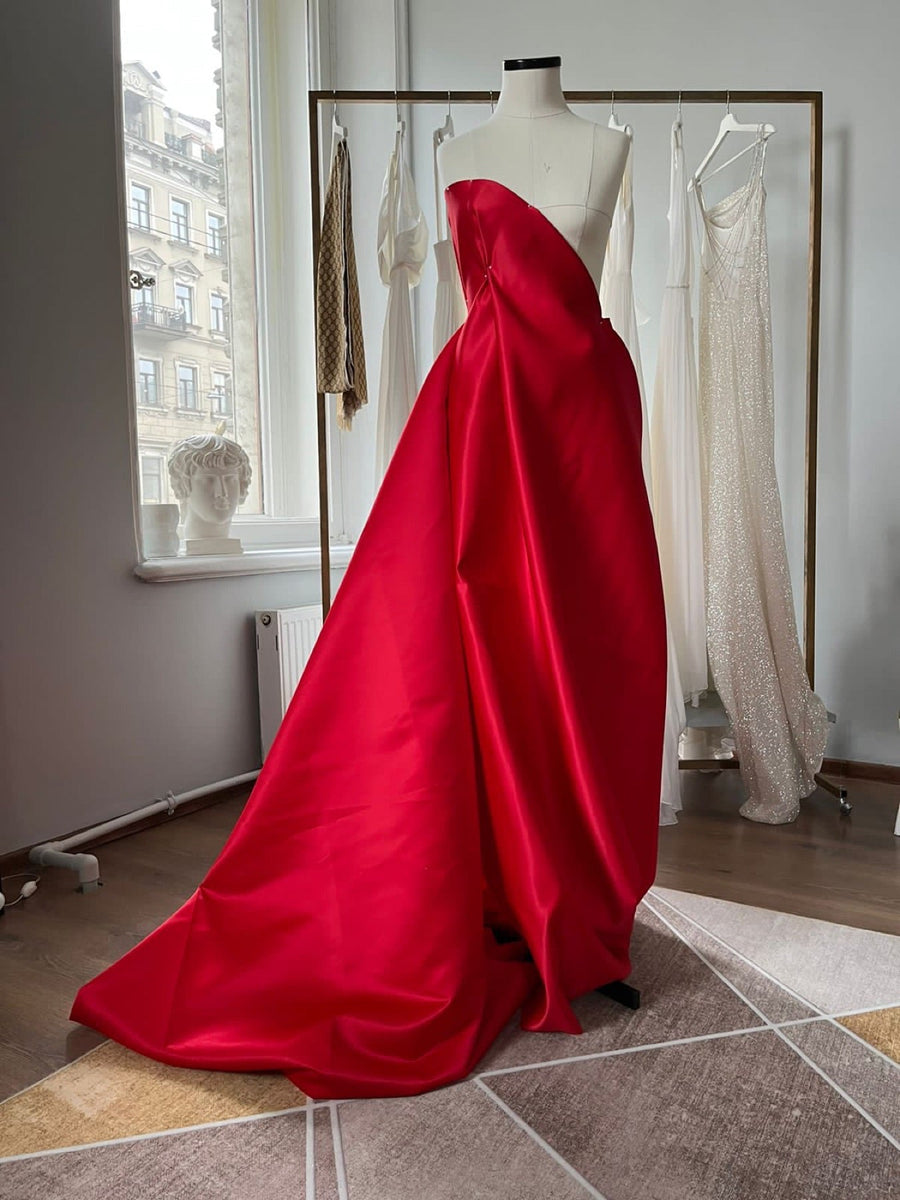
One-Shoulder Wedding Dress: Support, Drape, and Symmetry
How a one-shoulder wedding dress is supported and balanced, which strap styles work, how the asymmetry reads on your frame, and how to fit one custom.
Read →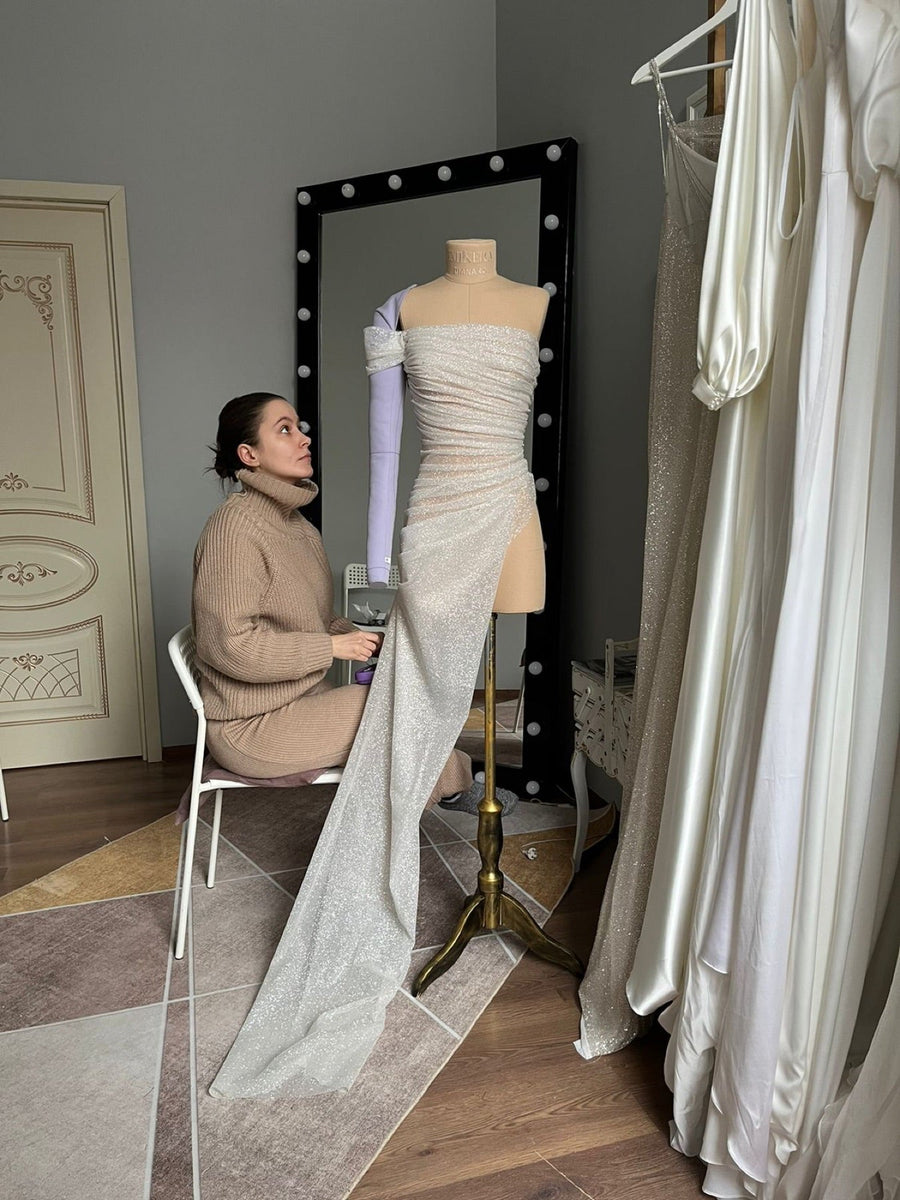
Wedding Dress Slit Guide: Height, Placement, and Staying Covered
How a wedding dress slit is placed and finished, how high is too high, how to keep it modest when standing still, and how to plan one on a custom gown.
Read →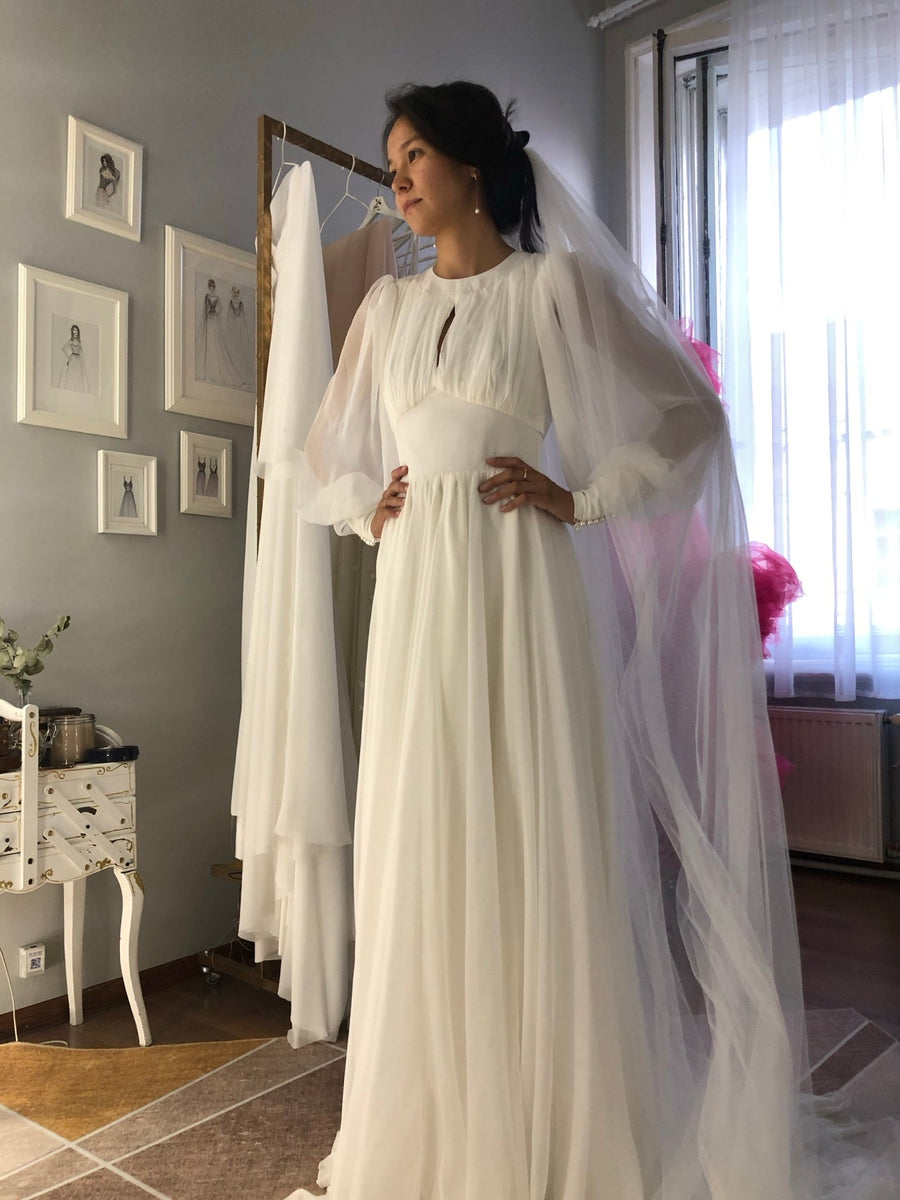
Bridal Veil Guide: Lengths, Styles, and Matching It to the Dress
Bridal veil lengths from birdcage to cathedral, how tiers and edges change the look, whether you need one, and how to match a veil to a custom wedding dress.
Read →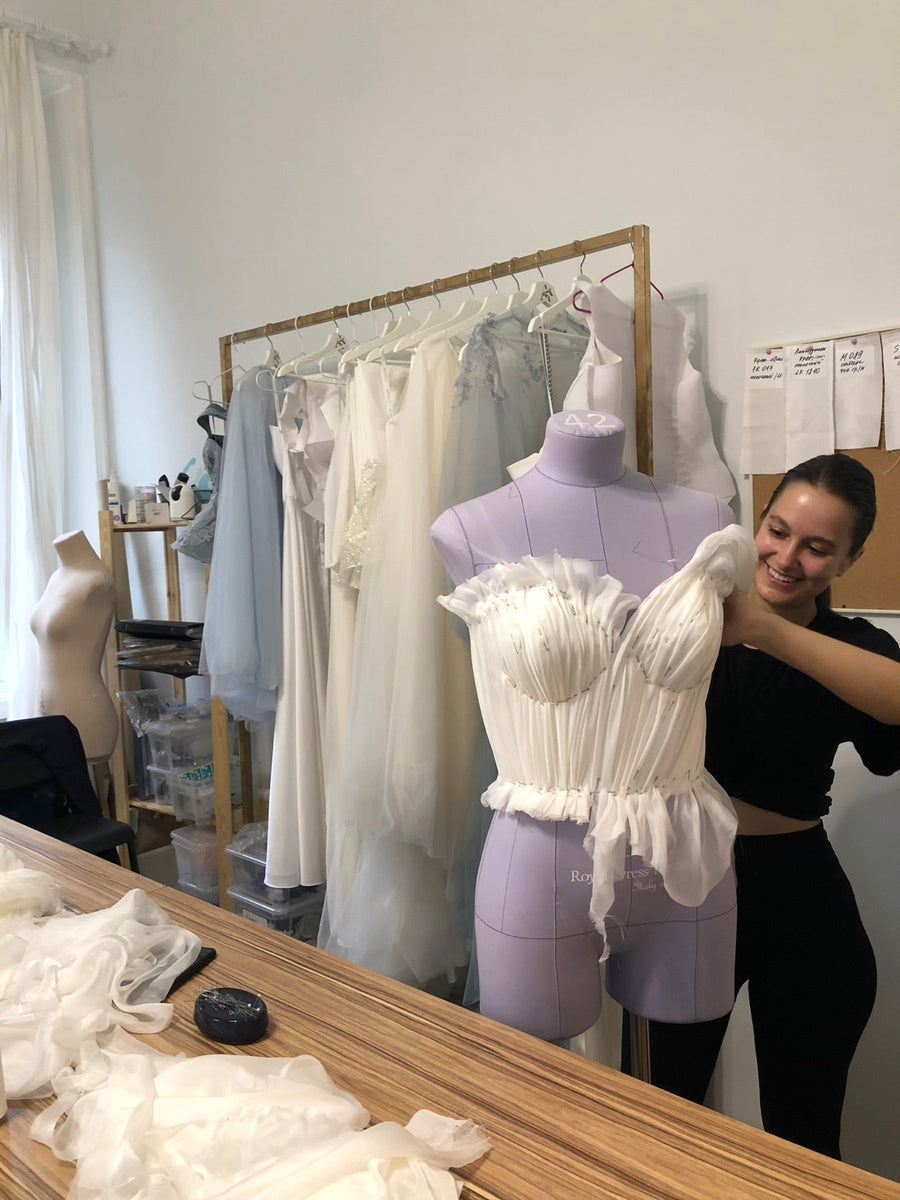
High-Low and Asymmetric Wedding Dress Hemlines Explained
How a high-low or asymmetric wedding dress hemline is cut and balanced, which venues and shoes it suits, and how to set the exact lengths on a custom gown.
Read →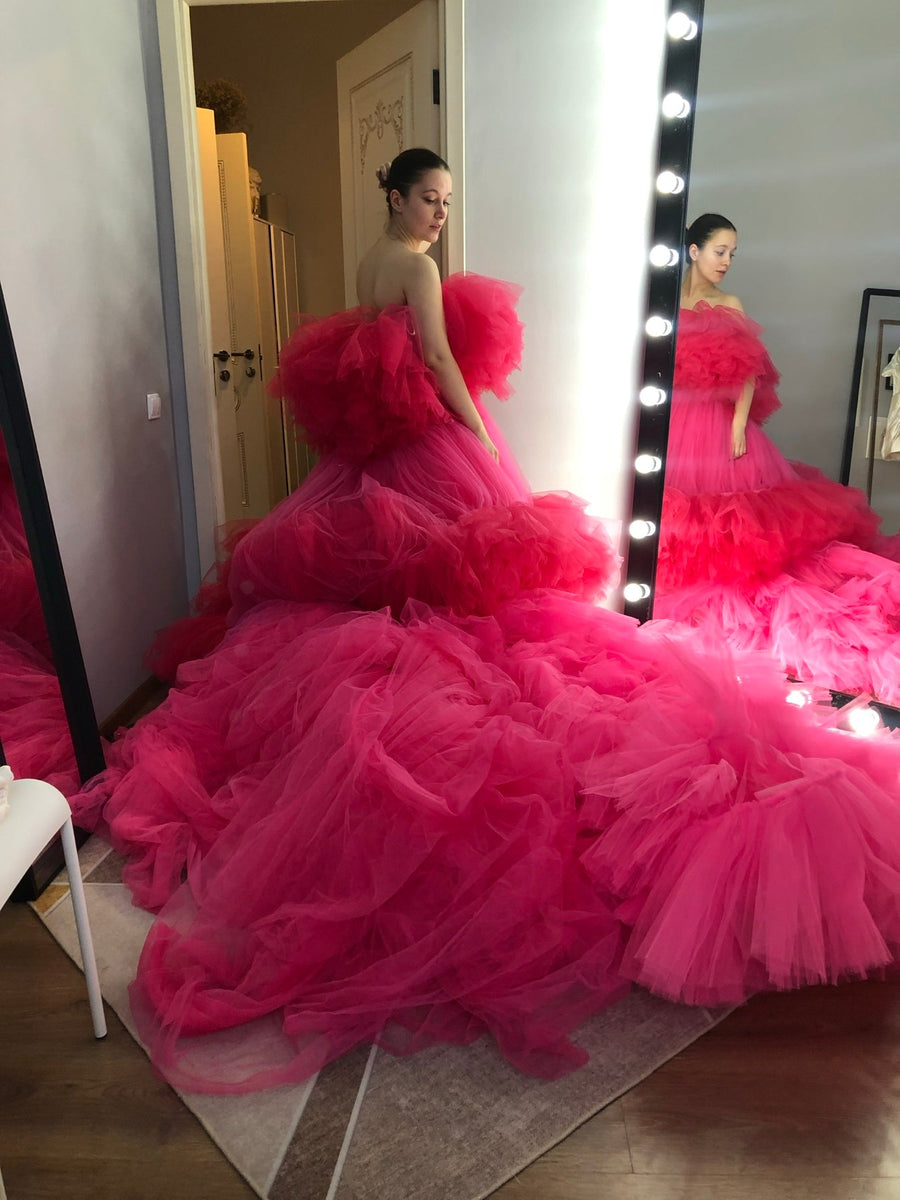
Colored Wedding Dress: Choosing a Non-White Gown That Works
How to choose a colored wedding dress in blush, blue, black, or a bold shade: how color reads in photos, which fabrics hold dye well, and how to order one custom.
Read →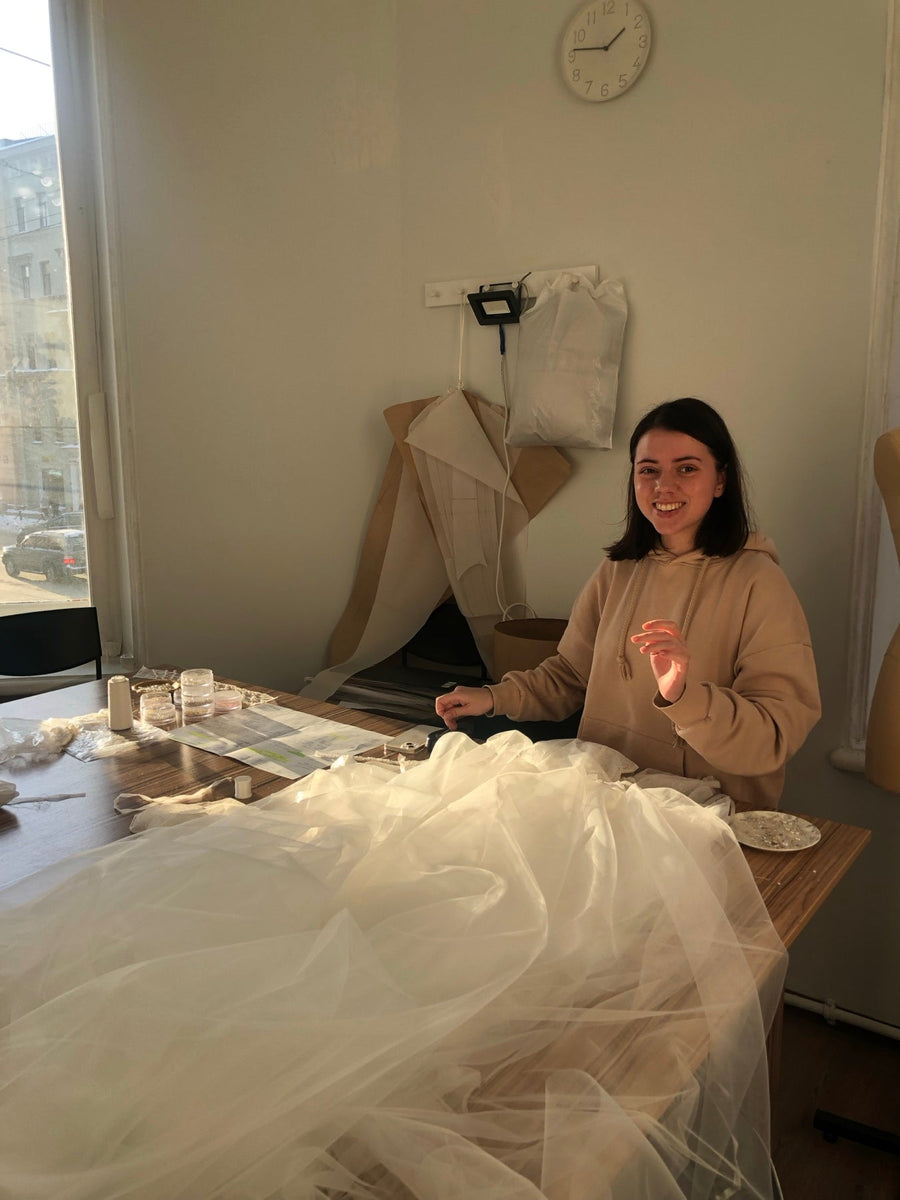
Wedding Dress Pockets: Where They Go and How They Hang
How pockets are built into a wedding dress without spoiling the line, which skirts hide them best, what they can hold, and how to add them on a custom order.
Read →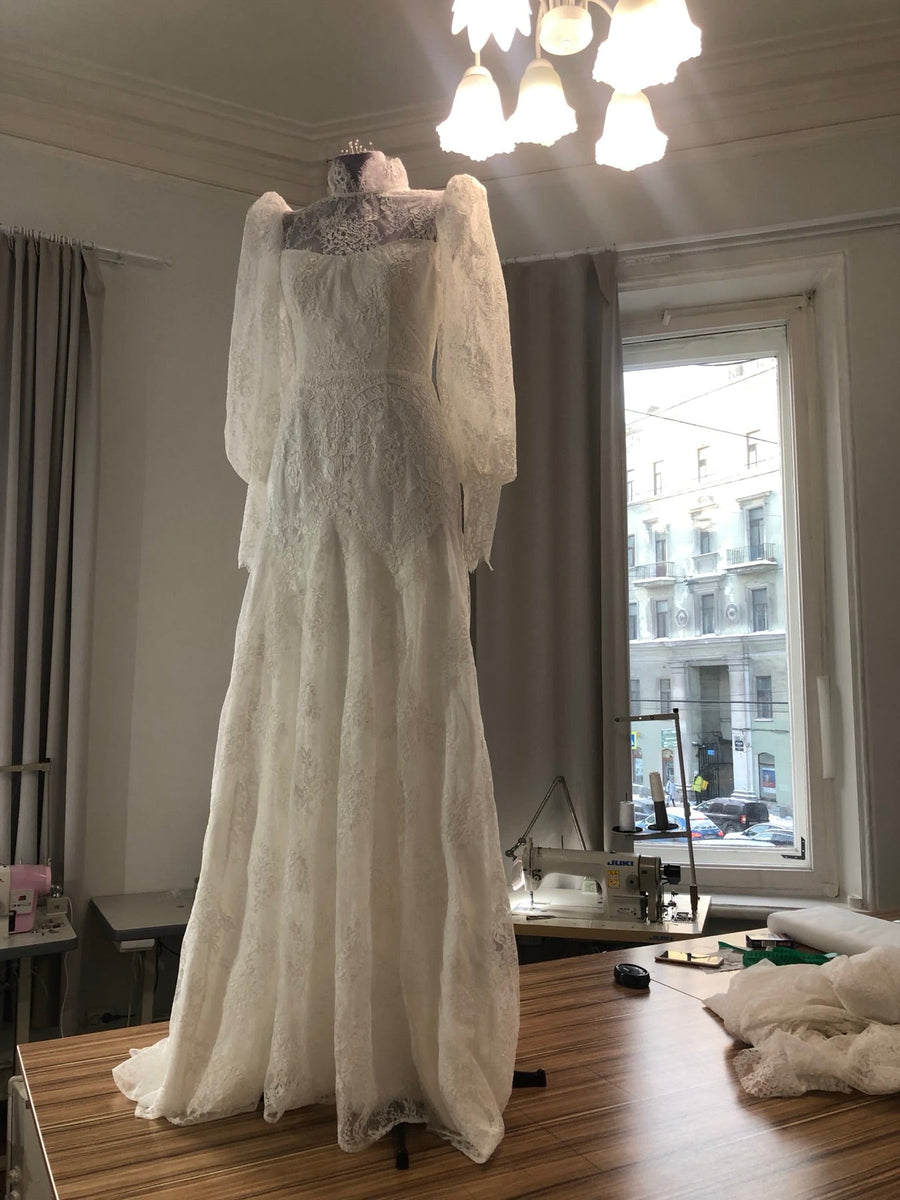
Modest Wedding Dress Guide: Coverage Without Losing the Line
How to design a modest wedding dress with sleeves, a higher neckline, and full-length coverage that still fits well and moves well, made to your measurements.
Read →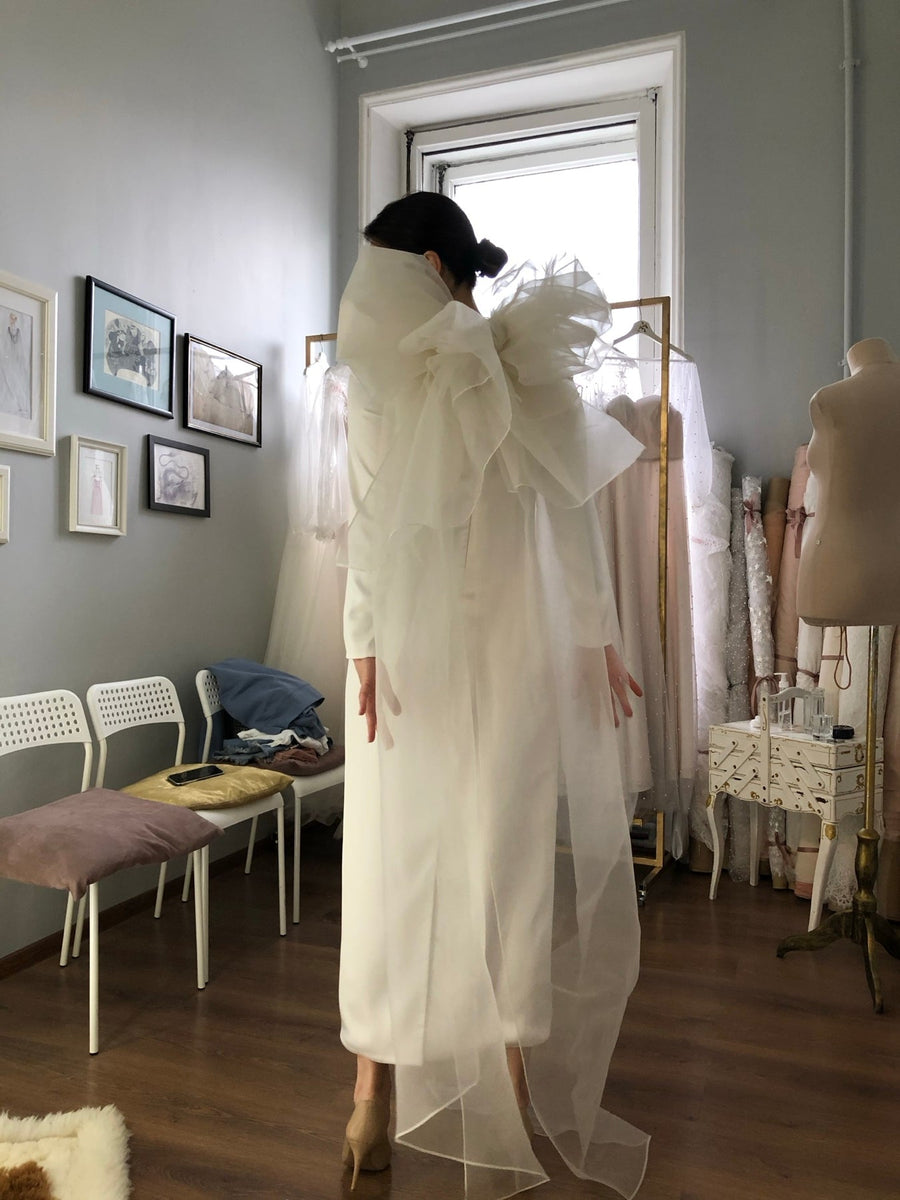
Statement Bows on Wedding Dresses: Placement, Scale, and Construction
Where a statement bow sits on a wedding dress, how it is built to hold its shape, detachable versus sewn-in, and how to plan one on a custom gown.
Read →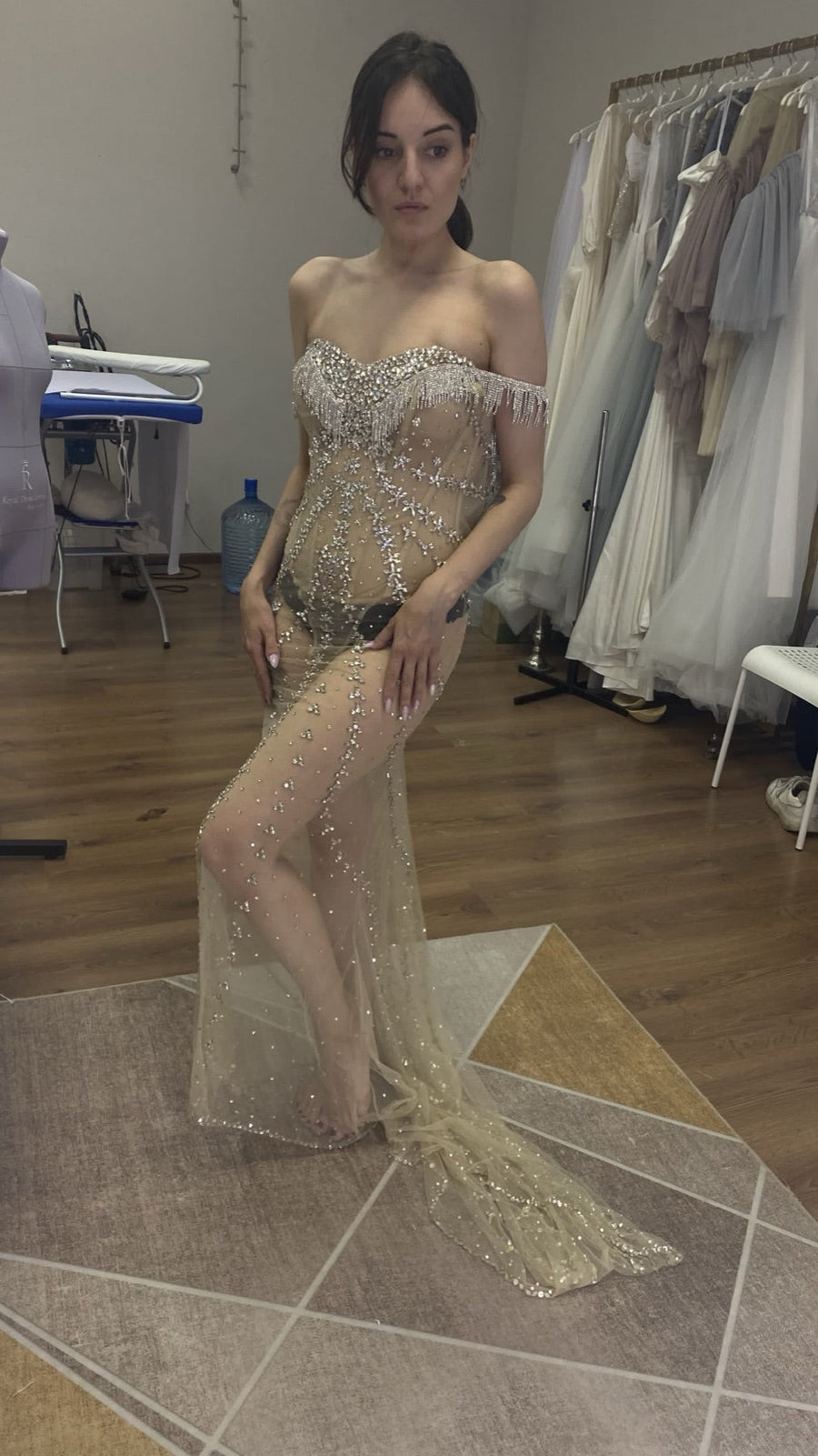
Off-the-Shoulder Wedding Dresses: Fit, Support, and Movement
How an off-the-shoulder wedding dress stays up, which arm and shoulder shapes it flatters, how it handles movement, and how to fit one on a custom order.
Read →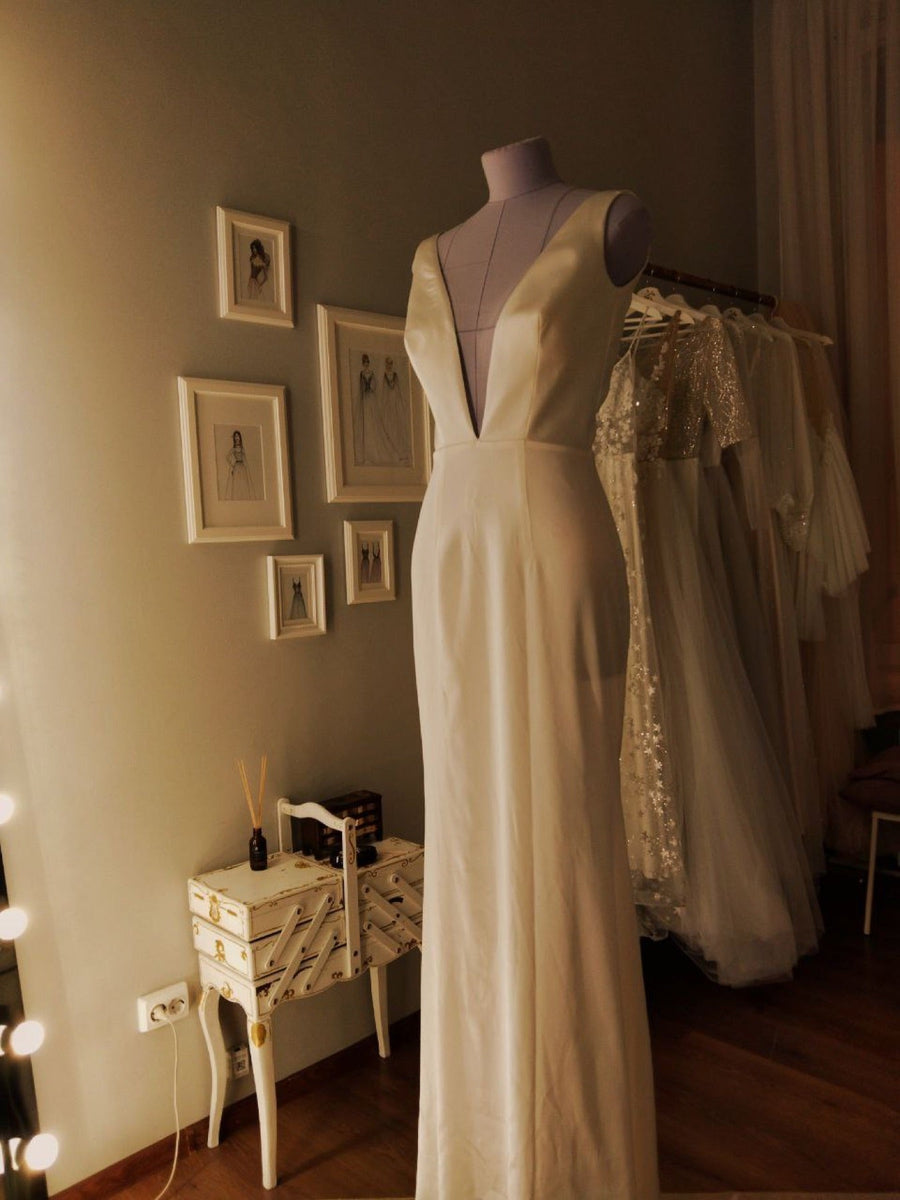
Wedding Dress Bustle Types Explained: American, French, and Ballroom
How wedding dress bustles work: the American, French, ballroom, and ribbon bustle, how many points a long train needs, and how to plan one on a custom gown.
Read →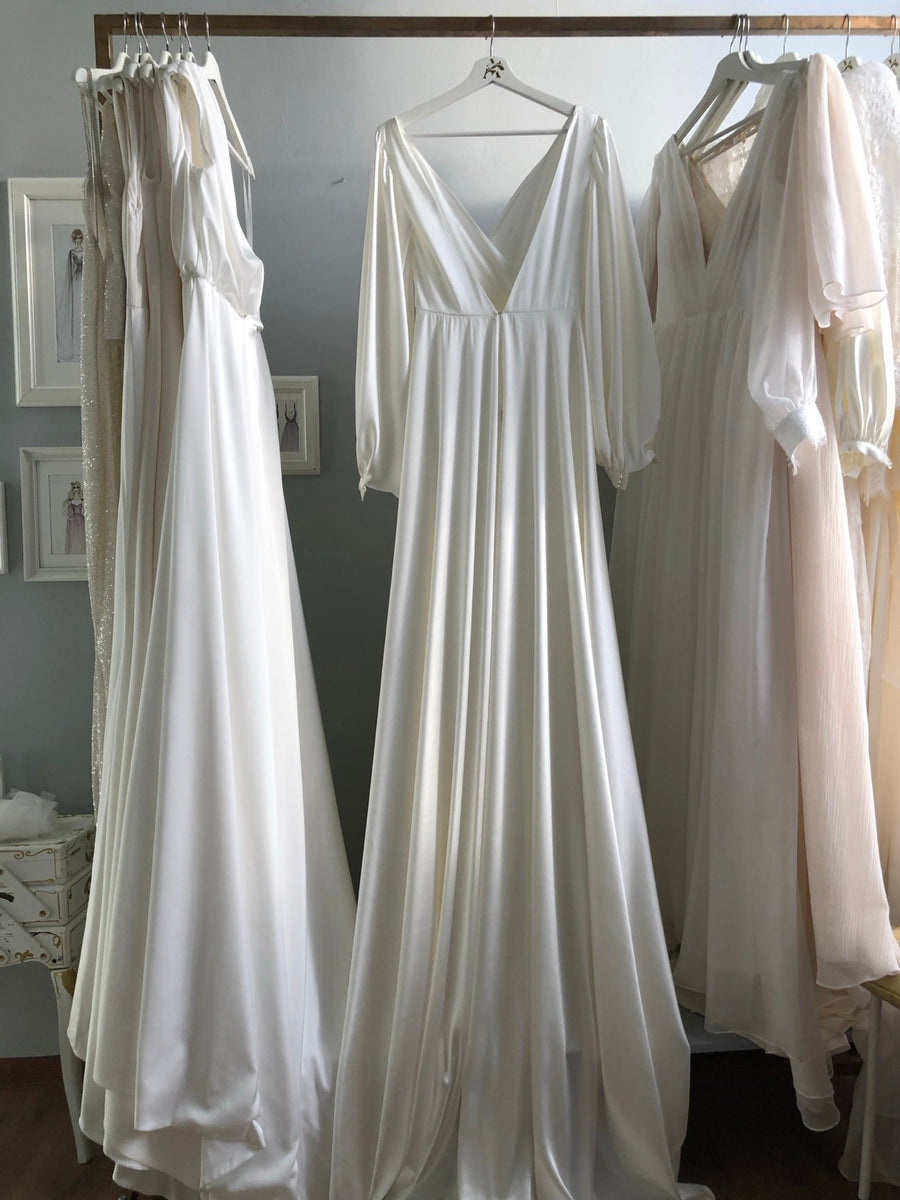
Wedding Dress Bodice Types: Corset, Basque, Drop-Waist, and Natural Waist
How the waist position on a wedding dress bodice changes your proportions: natural waist, basque, drop-waist, and corset, and how to choose one custom.
Read →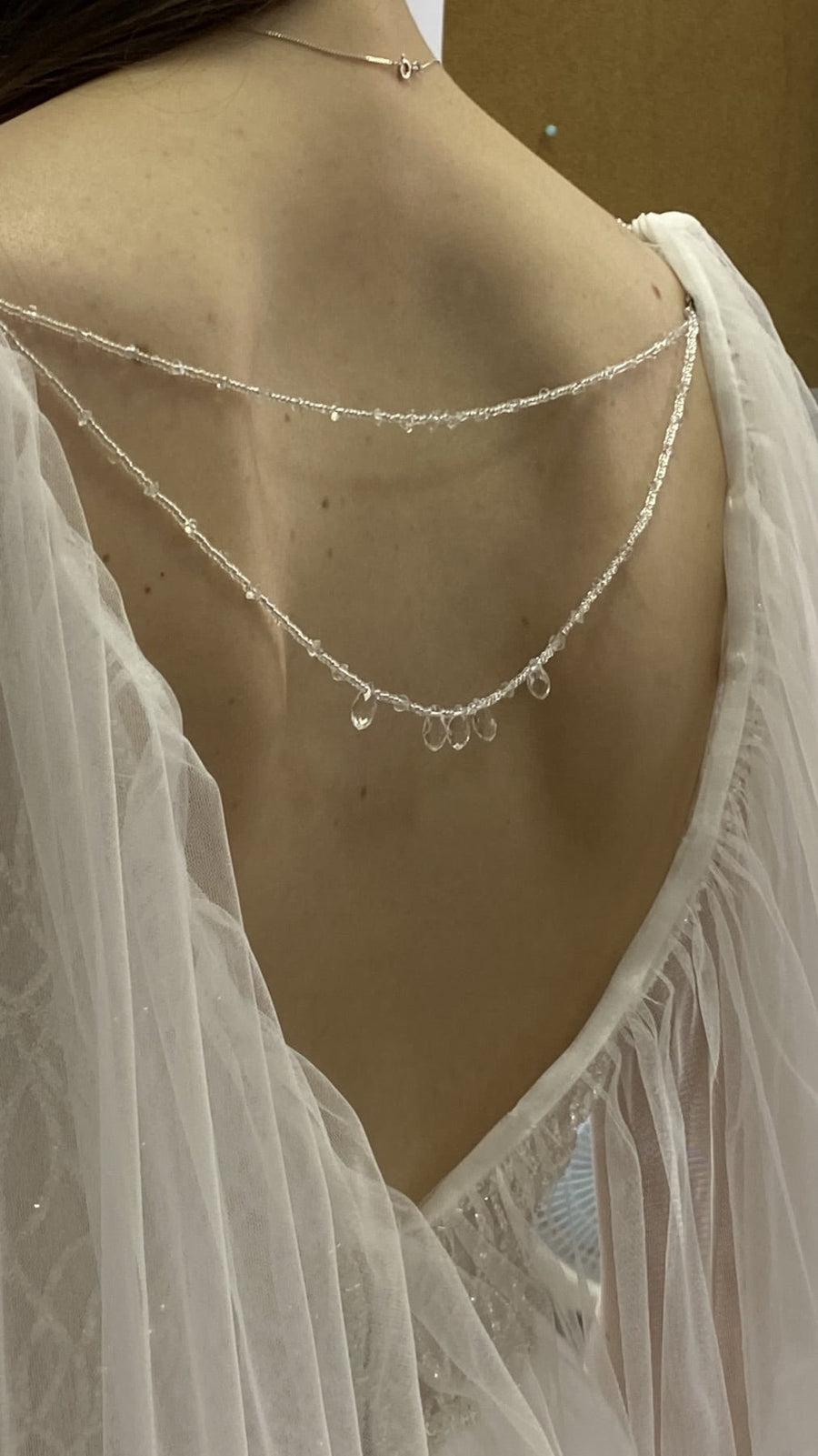
Bridal Accessories: What to Order Alongside Your Custom Dress
Choose a veil, belt, hairpiece, jewelry, and other bridal accessories that work with your custom dress in proportion, color, fabric, and construction.
Read →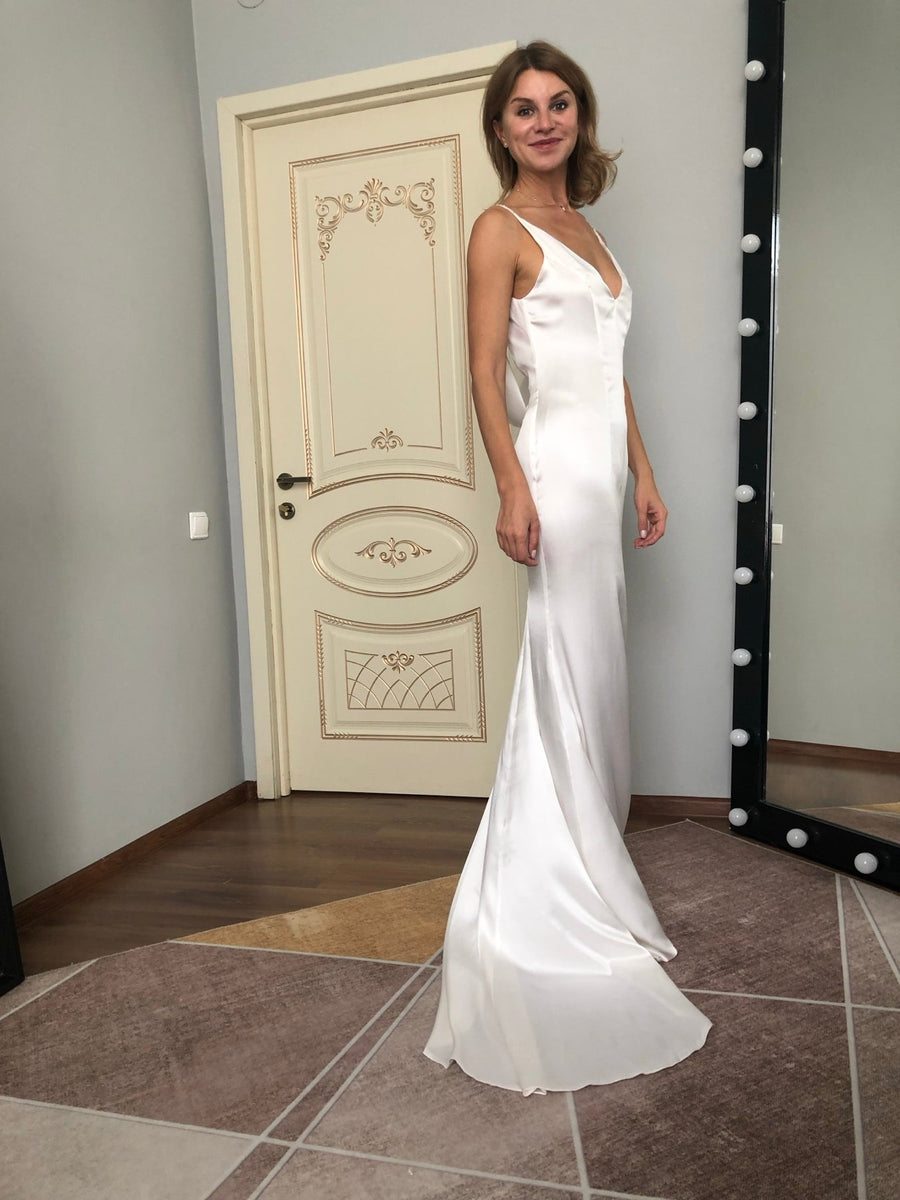
Wedding Dress Color Guide: Ivory, White, and Champagne Explained
Compare white, ivory, and champagne wedding dresses, see how fabric and lighting change each shade, and choose a color that supports your design.
Read →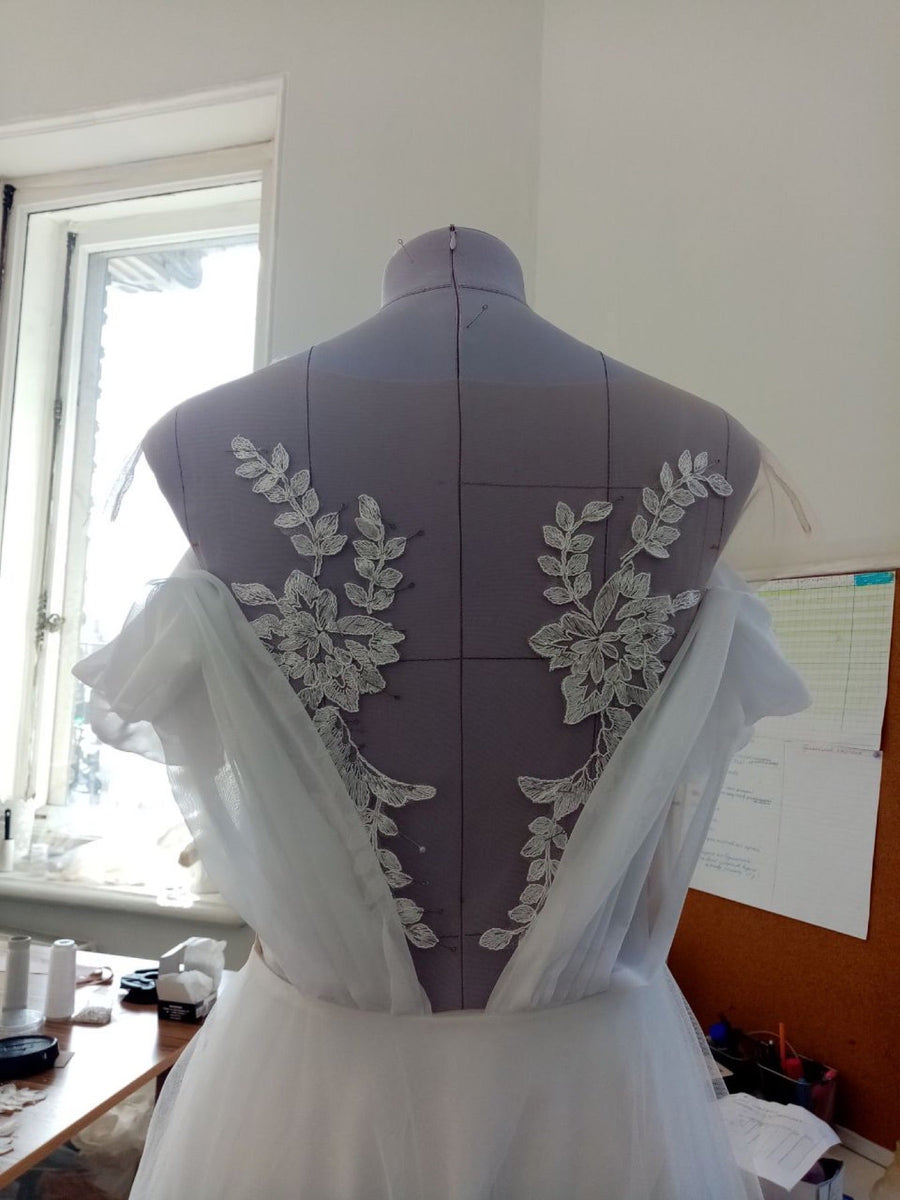
Illusion and Sheer Panels on a Wedding Dress: How the "Floating Lace" Effect Is Built
How illusion tulle and sheer panels work on a wedding dress: the floating-lace effect, where panels give coverage, colour matching, comfort, and custom planning.
Read →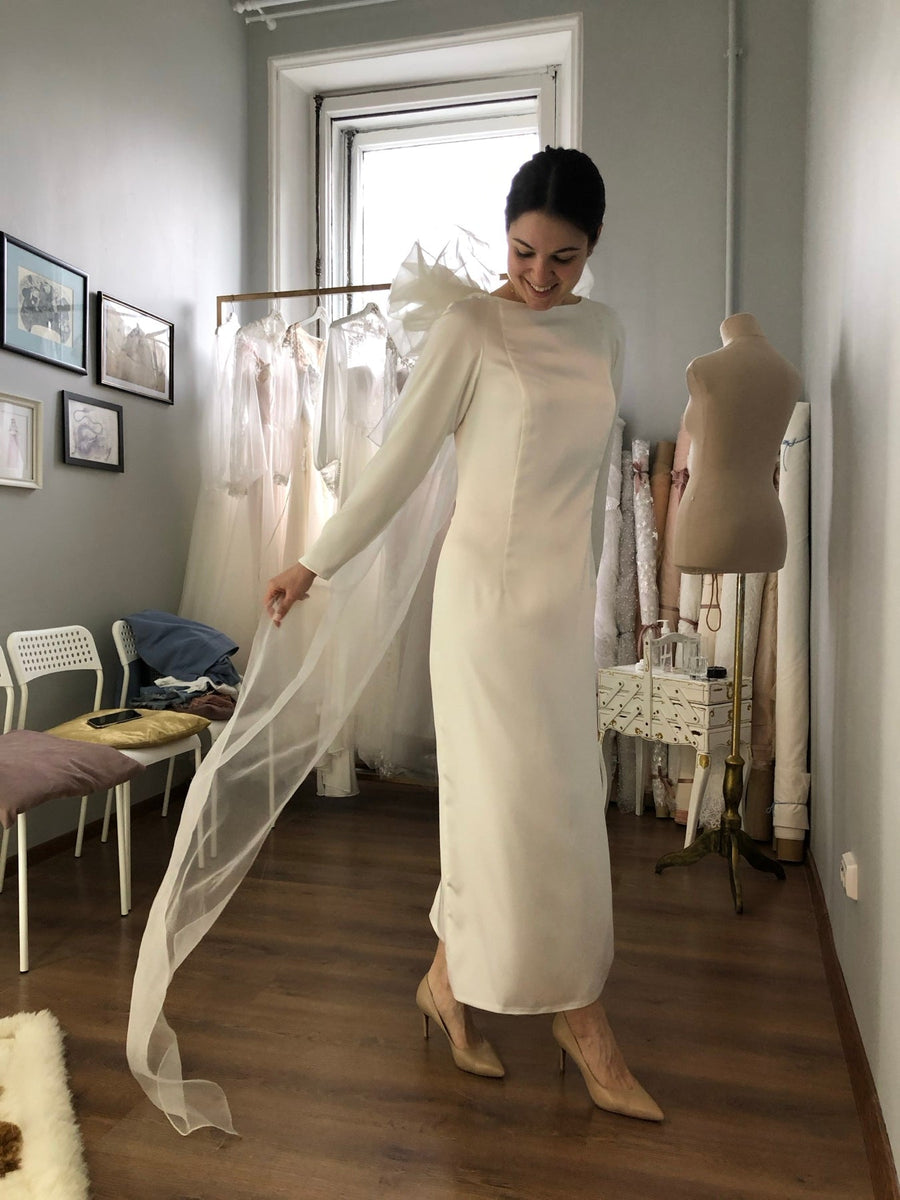
Beach Wedding Dress: What Actually Works on Sand and in Sea Air
How to plan a beach wedding dress: fabrics that survive humidity and wind, hem and train choices for sand, and construction that stays comfortable in heat.
Read →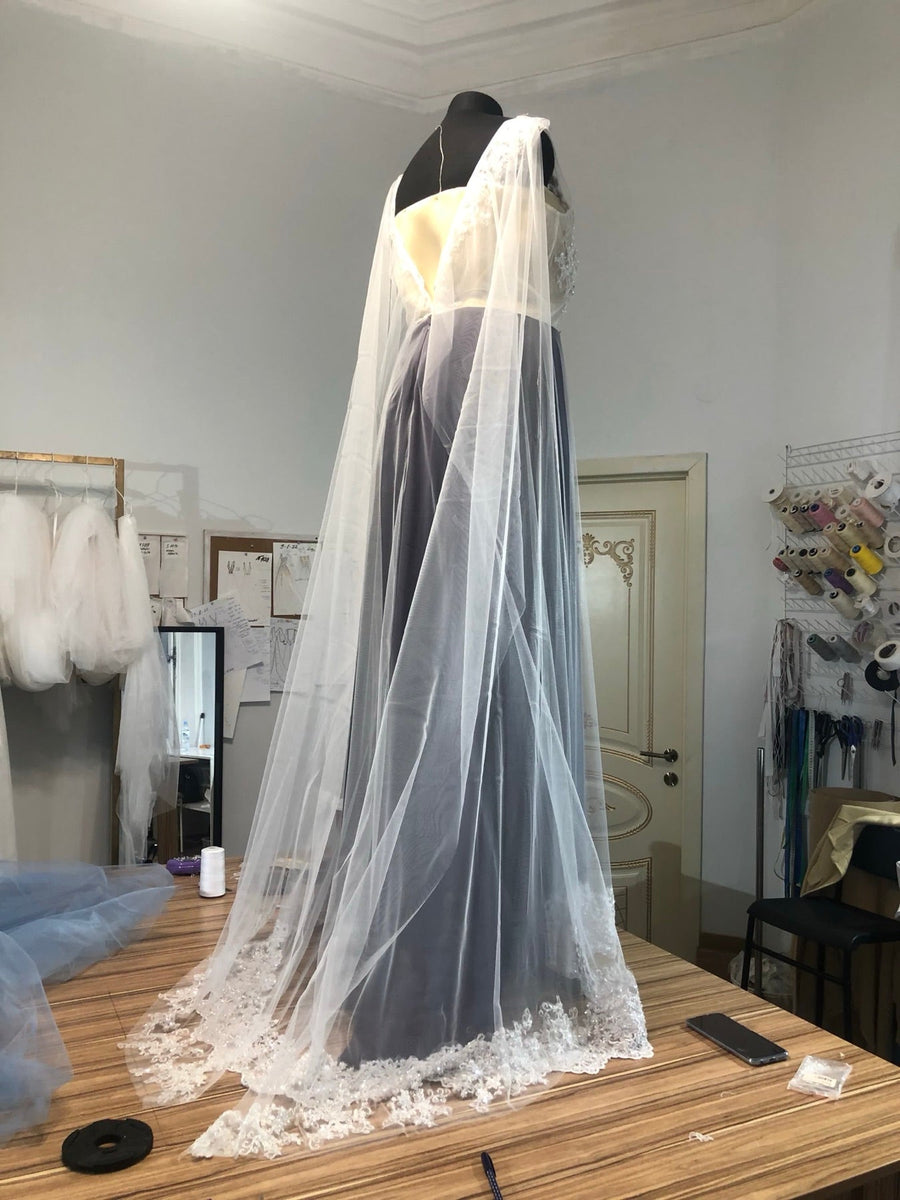
Cape and Capelet Wedding Dresses: A Modern Alternative to the Veil
How a wedding dress cape works: capelet vs full-length, sheer vs opaque, attached vs detachable, where it attaches, and how to plan one custom.
Read →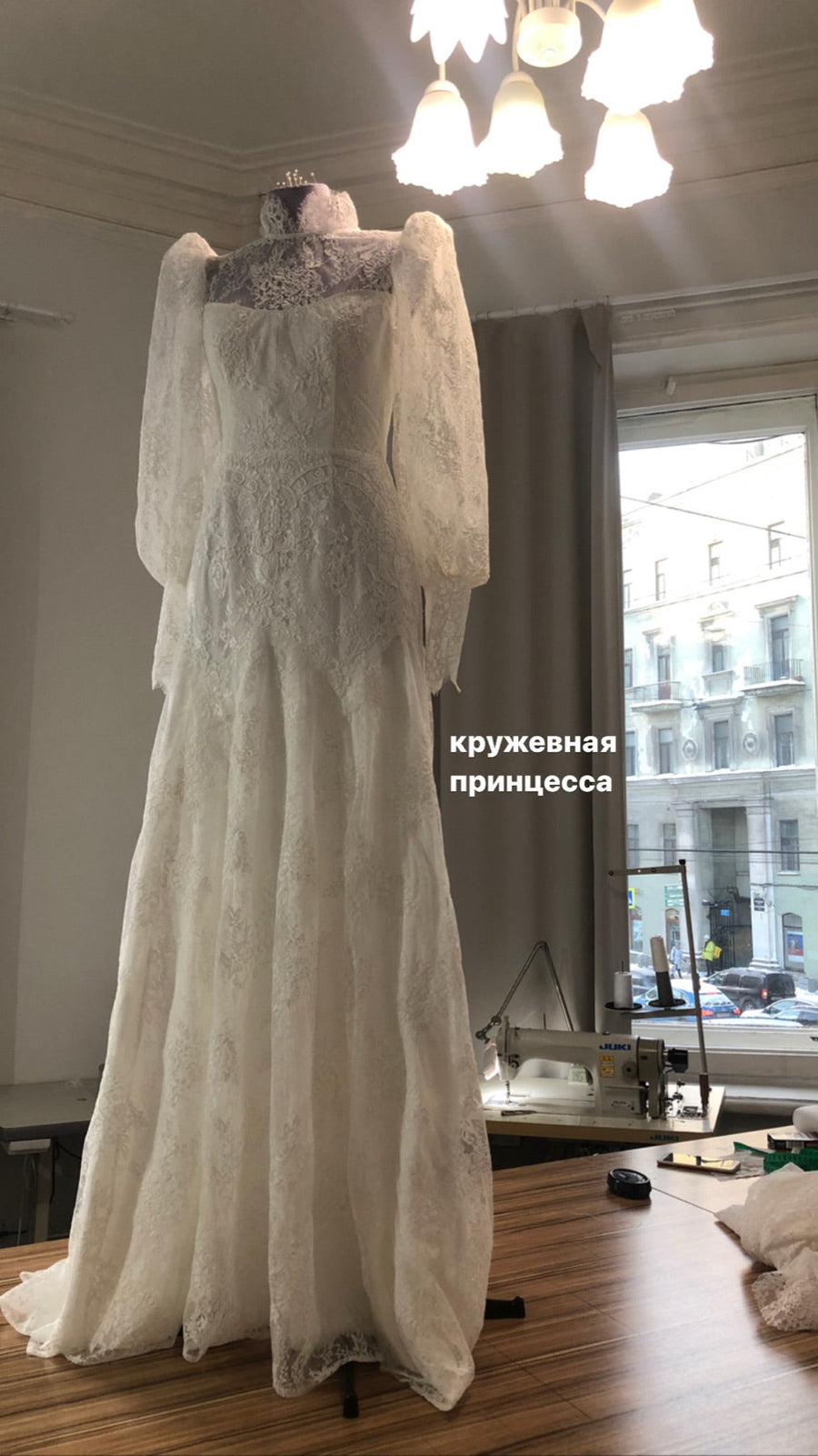
Winter Wedding Dress: Fabrics, Sleeves, and Warmth Without Bulk
How to plan a winter wedding dress: fabrics that hold warmth, sleeve and coverage options, layering that stays invisible, and cover-ups that match the gown.
Read →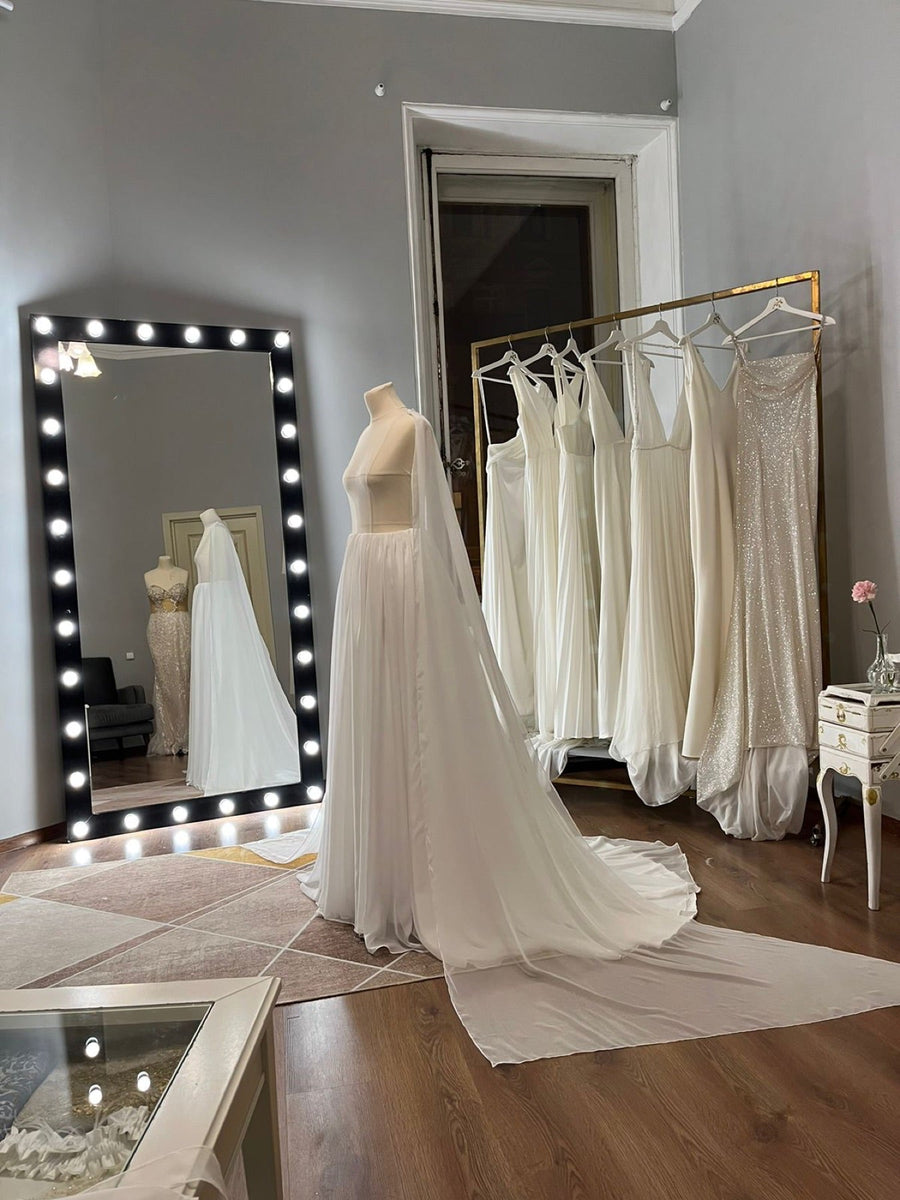
The Convertible Wedding Dress: One Gown, Two Looks for Ceremony and Reception
How a convertible wedding dress works, which parts detach, how the attachment points are engineered, and how to plan a two-look gown as a custom order.
Read →
Two-Piece and Separates Wedding Dresses: A Bodice and Skirt Built as One Look
How a two-piece wedding dress works, why separates suit a mixed vision, how the waistline is engineered, and how to plan a custom set.
Read →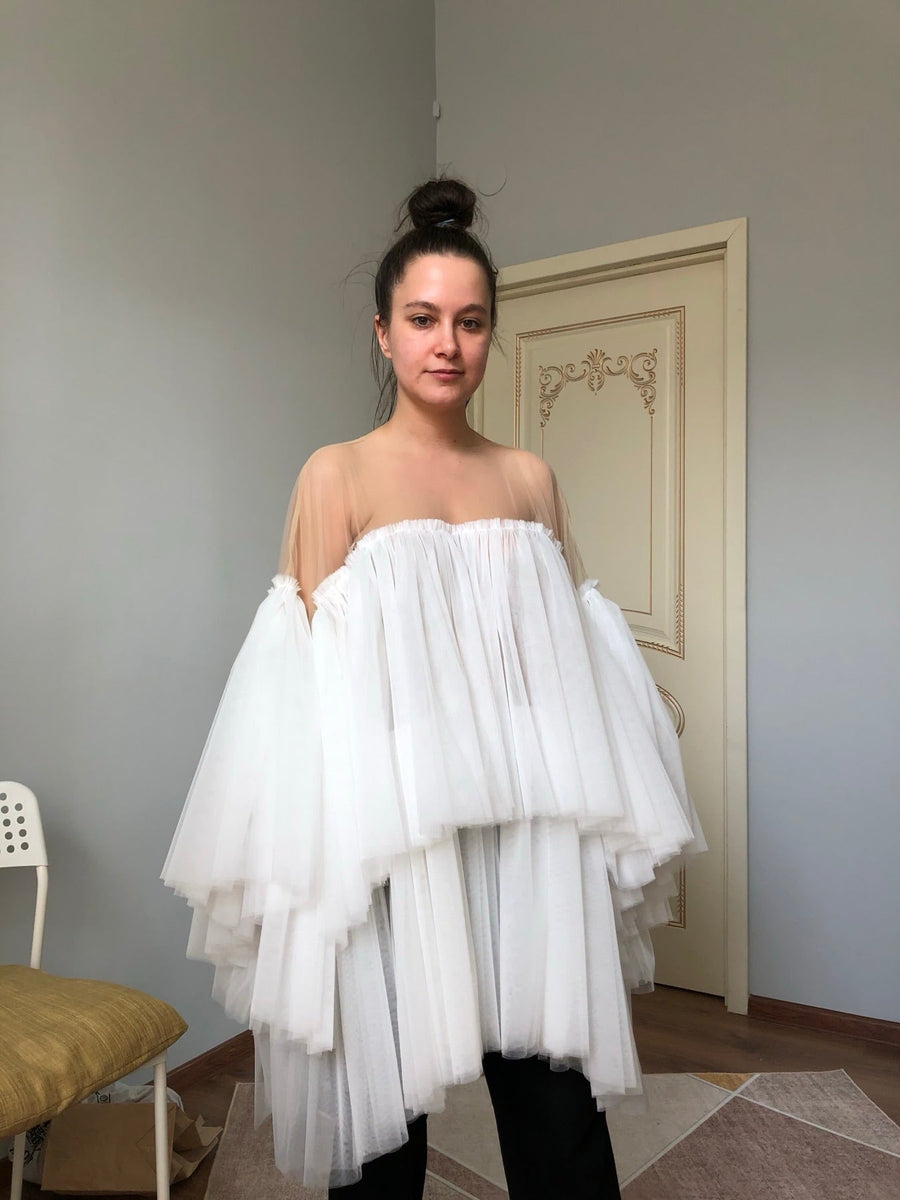
Tea-Length and Short Wedding Dresses: When a Shorter Hem Is the Right Call
Tea-length, midi, and short wedding dresses: where each hem falls, which venues suit them, how the hem finish matters, and how to plan one custom.
Read →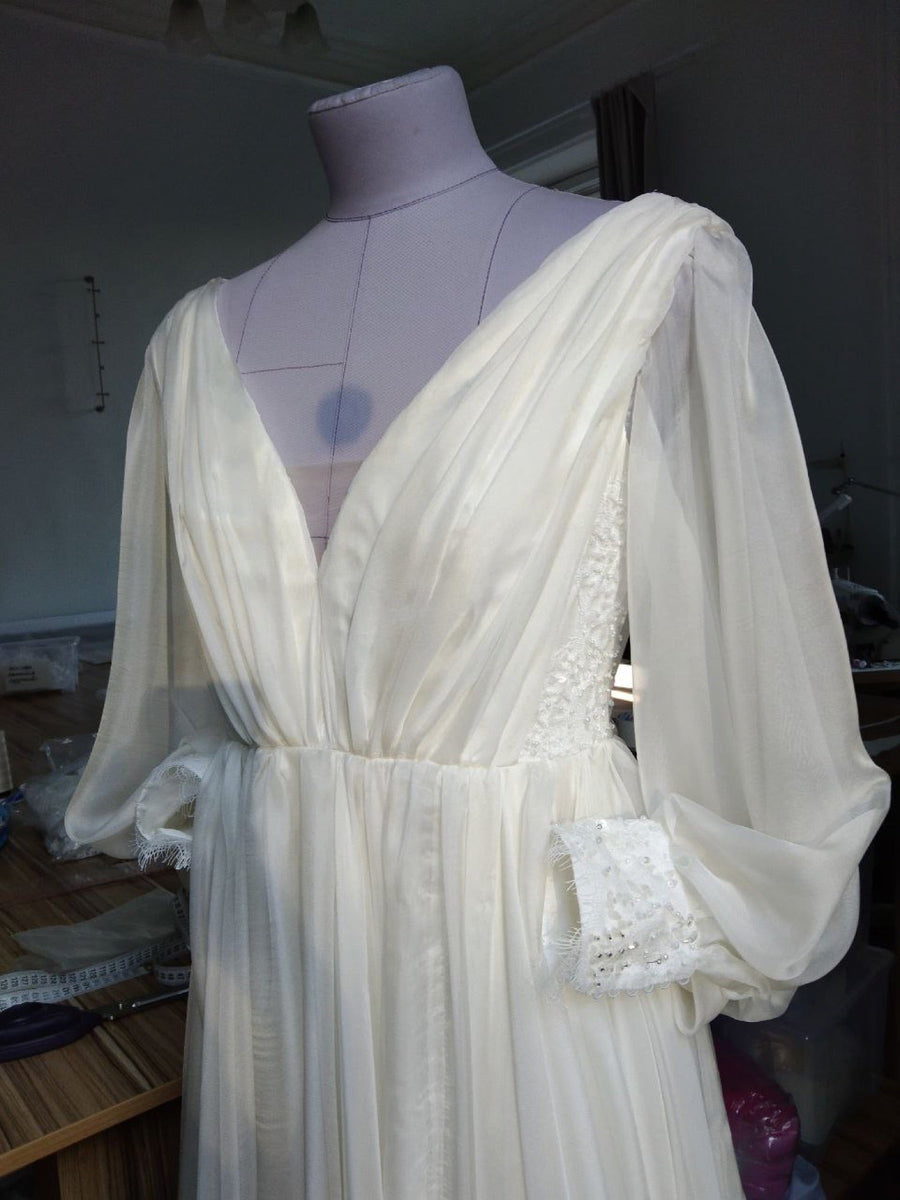
Empire Waist Wedding Dress: The Case for an Under-Bust Seam
How an empire waist wedding dress is built, where the seam sits, which fabrics it needs, who it suits, and how to plan one as a custom order.
Read →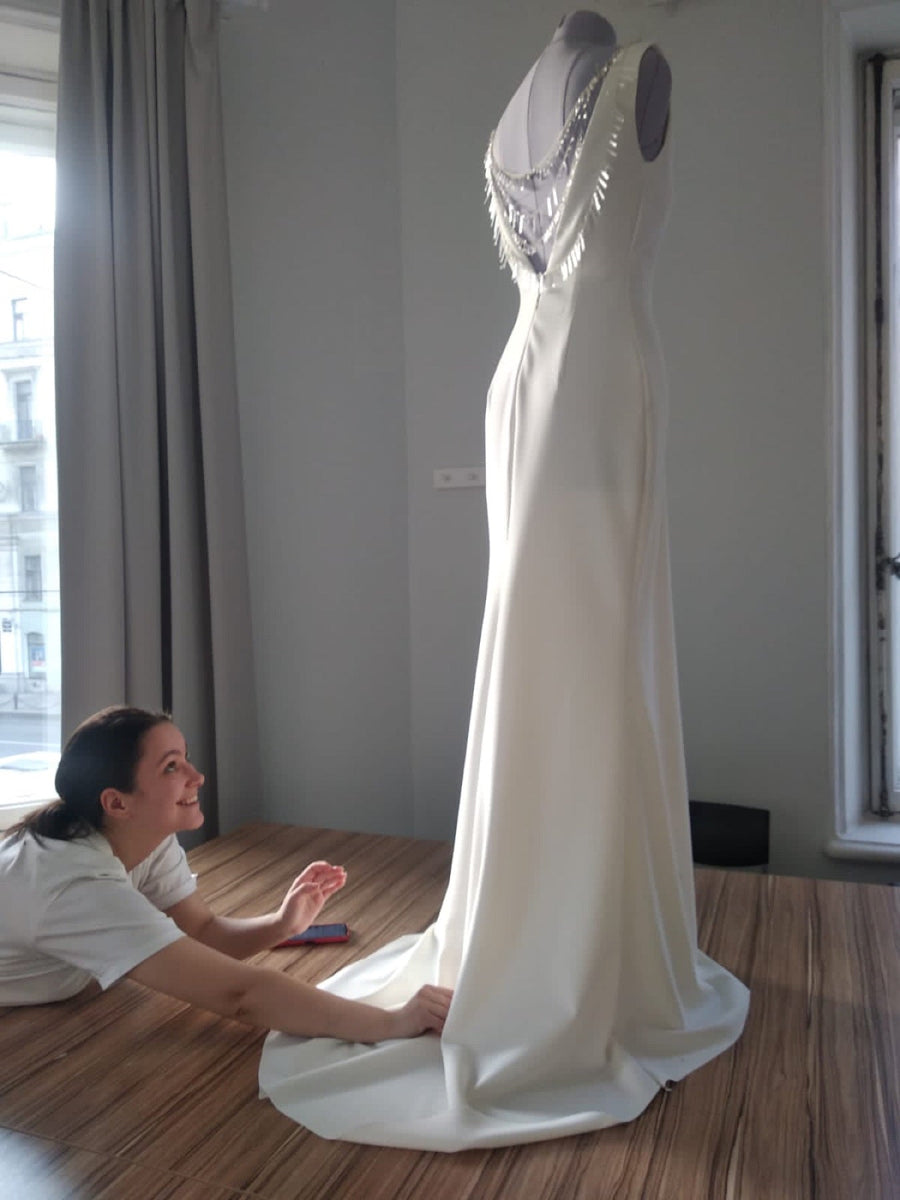
Wedding Dress Train Lengths Explained: Sweep to Royal, Plus Detachable Options
A plain-language guide to wedding dress train lengths, from sweep to cathedral to royal, how bustles work, and how a custom train is measured to you.
Read →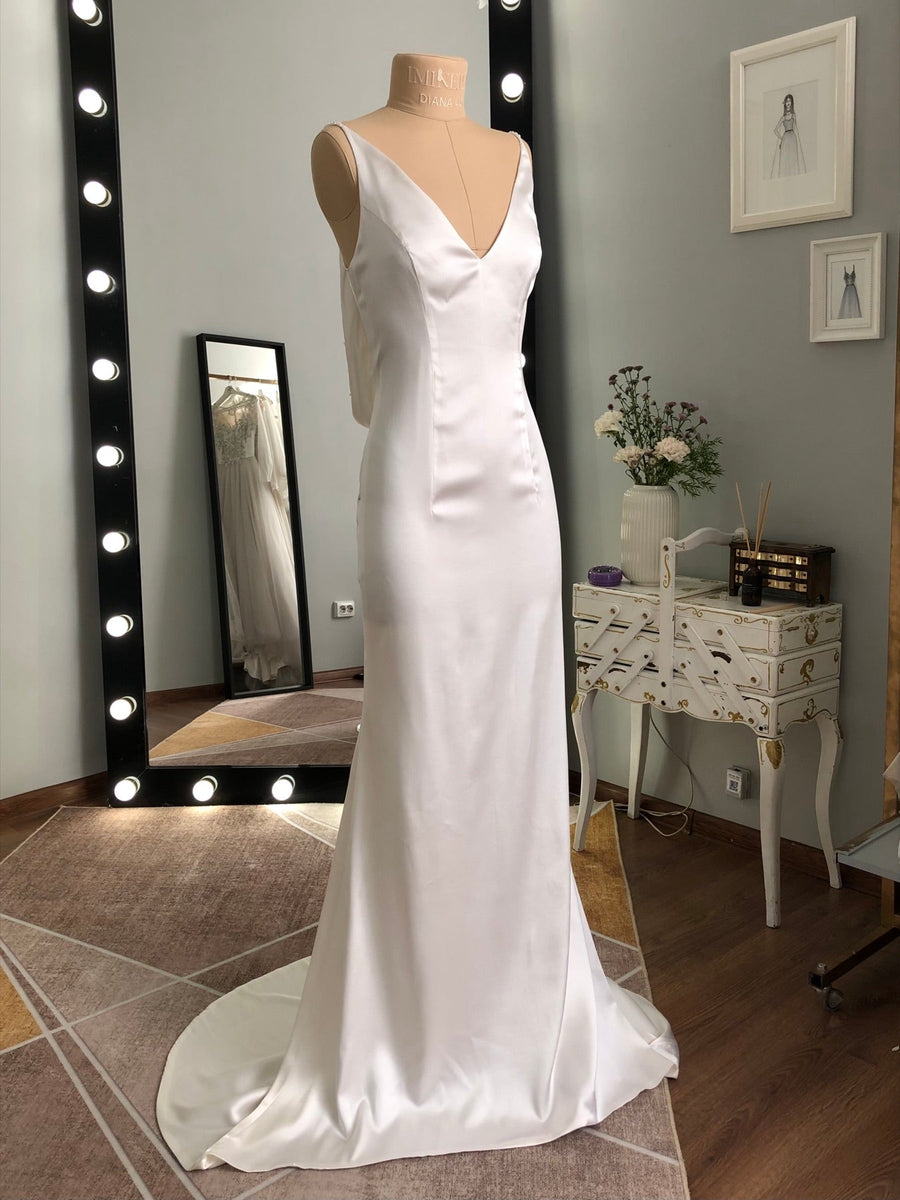
Sheath and Column Wedding Dresses: The Case for a Clean Vertical Line
What a sheath or column wedding dress is, how it differs from a mermaid, why the fabric and fit carry the whole look, and how to plan one custom.
Read →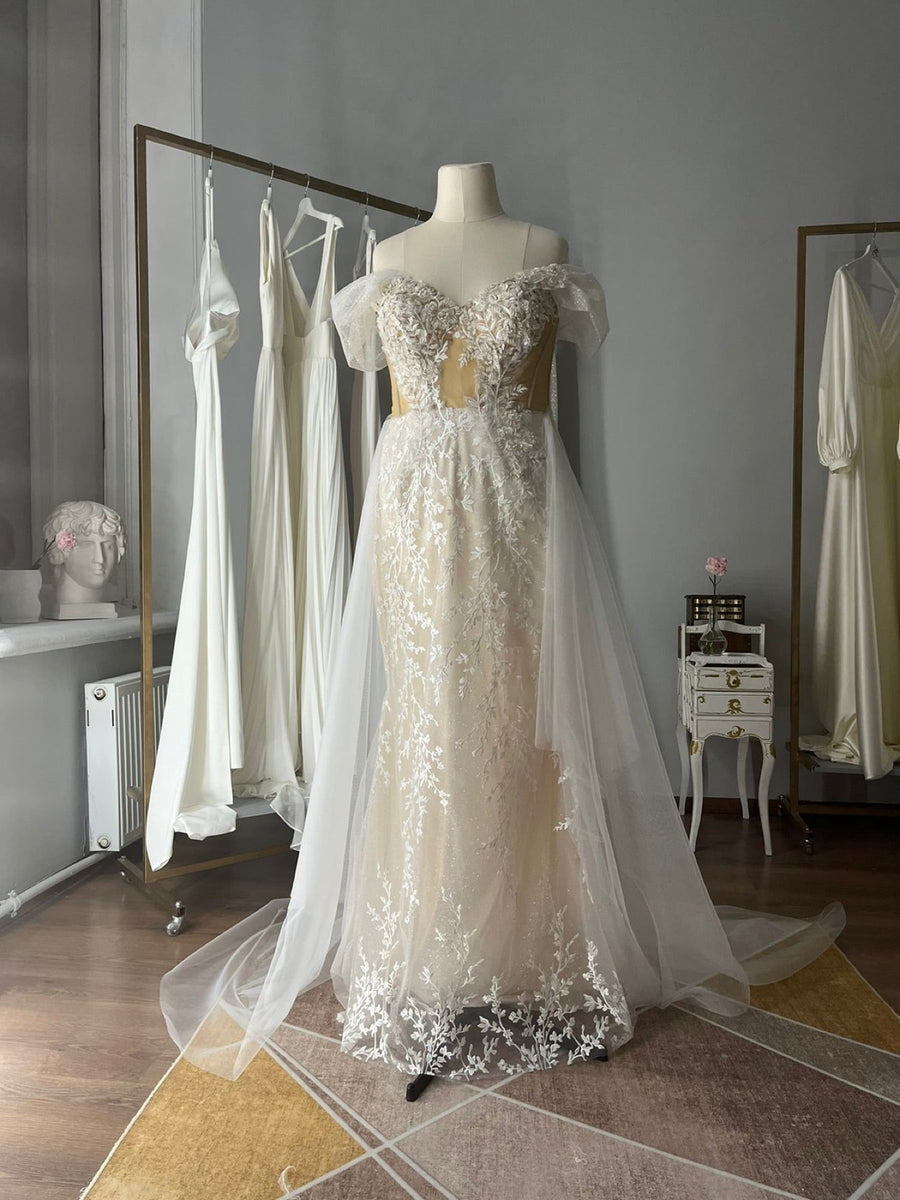
Mermaid and Trumpet Wedding Dresses: Fit, Movement, and Construction
The difference between mermaid and trumpet wedding dresses, where the flare sits, how each one moves, and what to plan for in a custom fit.
Read →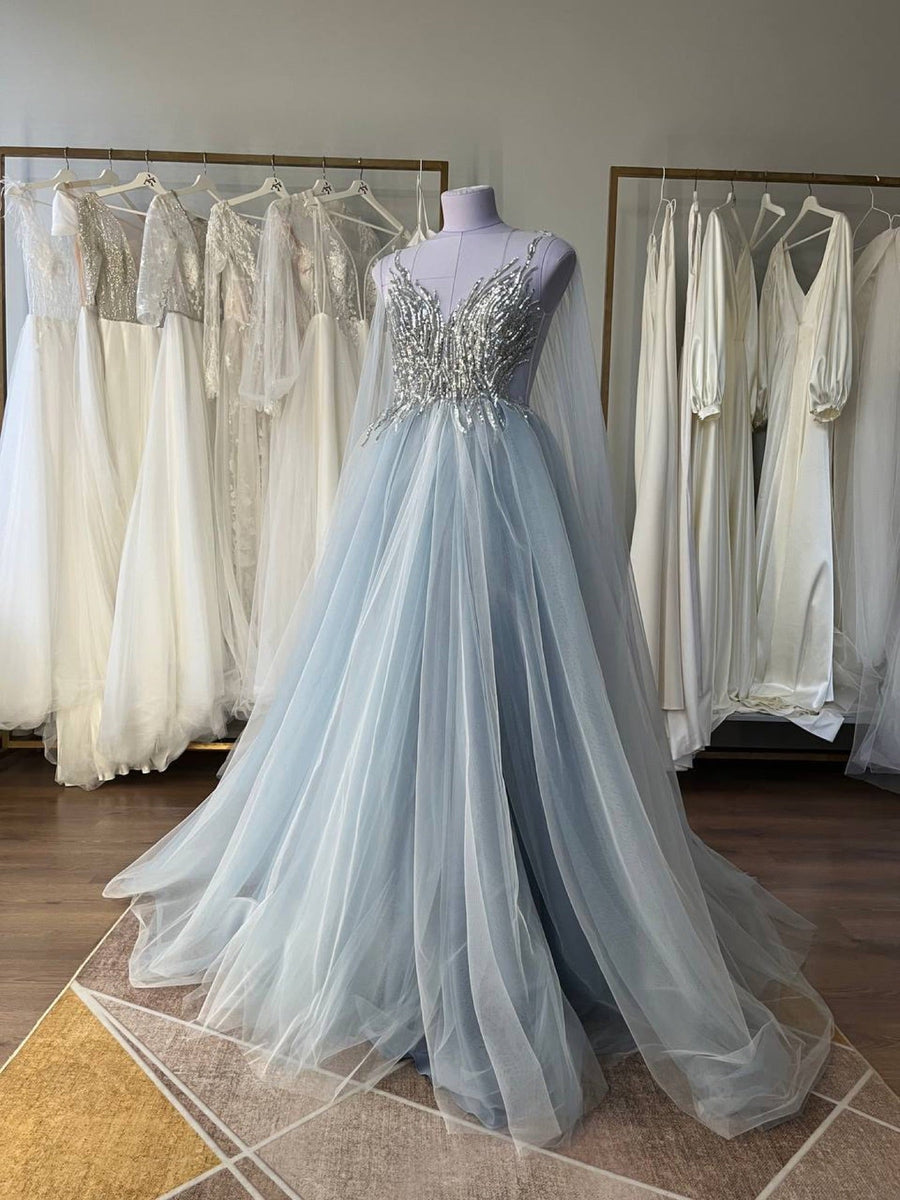
Ball Gown Wedding Dress: Structure, Support, and Who It Suits
How a ball gown wedding dress is built, what gives the skirt its volume, how much it weighs, and how to plan one as a custom order.
Read →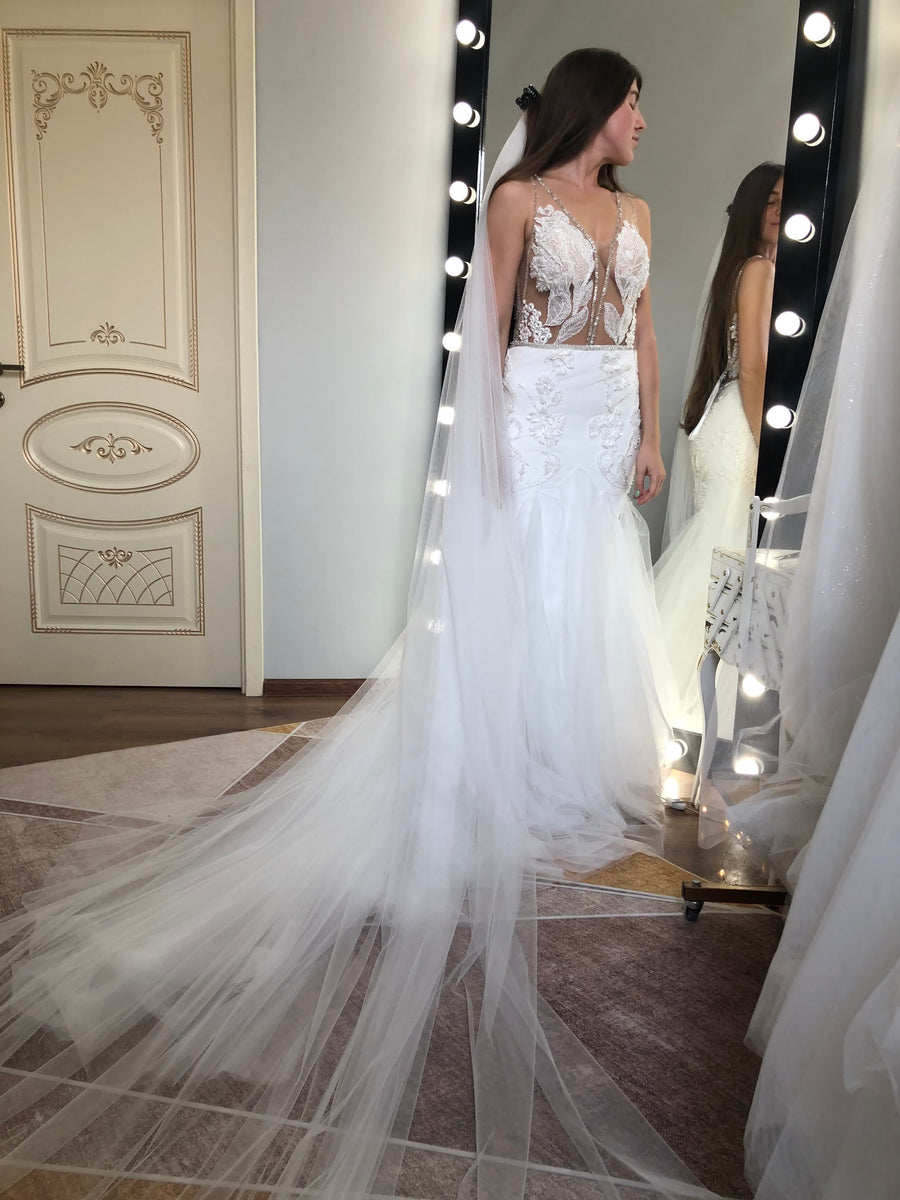
Wedding Dress Necklines Explained: Sweetheart, Illusion, Off-Shoulder, and How to Choose
The neckline shapes your face, your proportions, and how much structural support the bodice needs. Here's what each major style actually does.
Read →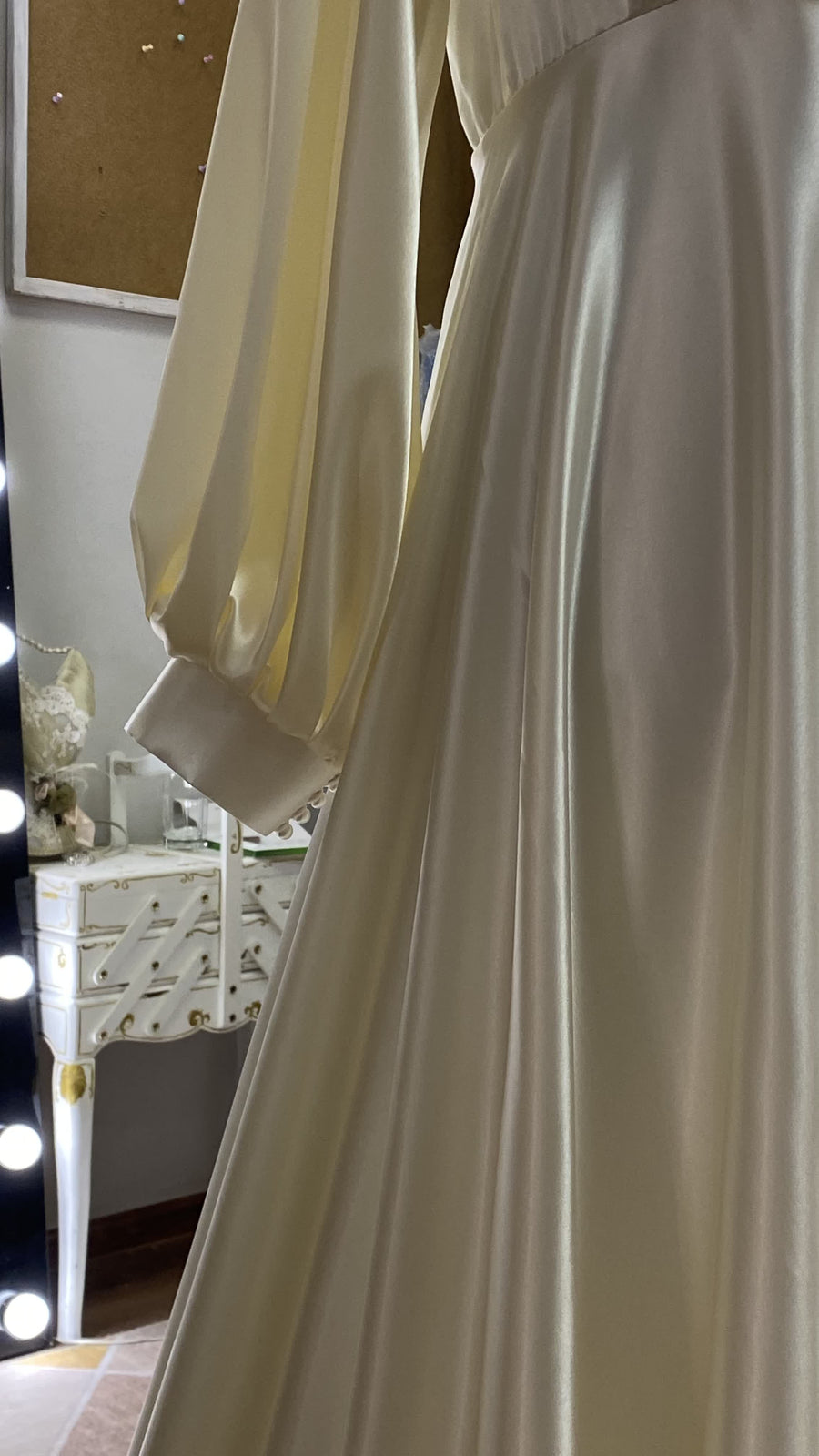
Wedding Dress Sleeve Types and Styles: A Visual Guide
Compare bishop, puff, illusion, and fitted wedding dress sleeve types by volume, fabric, movement, and fit.
Read →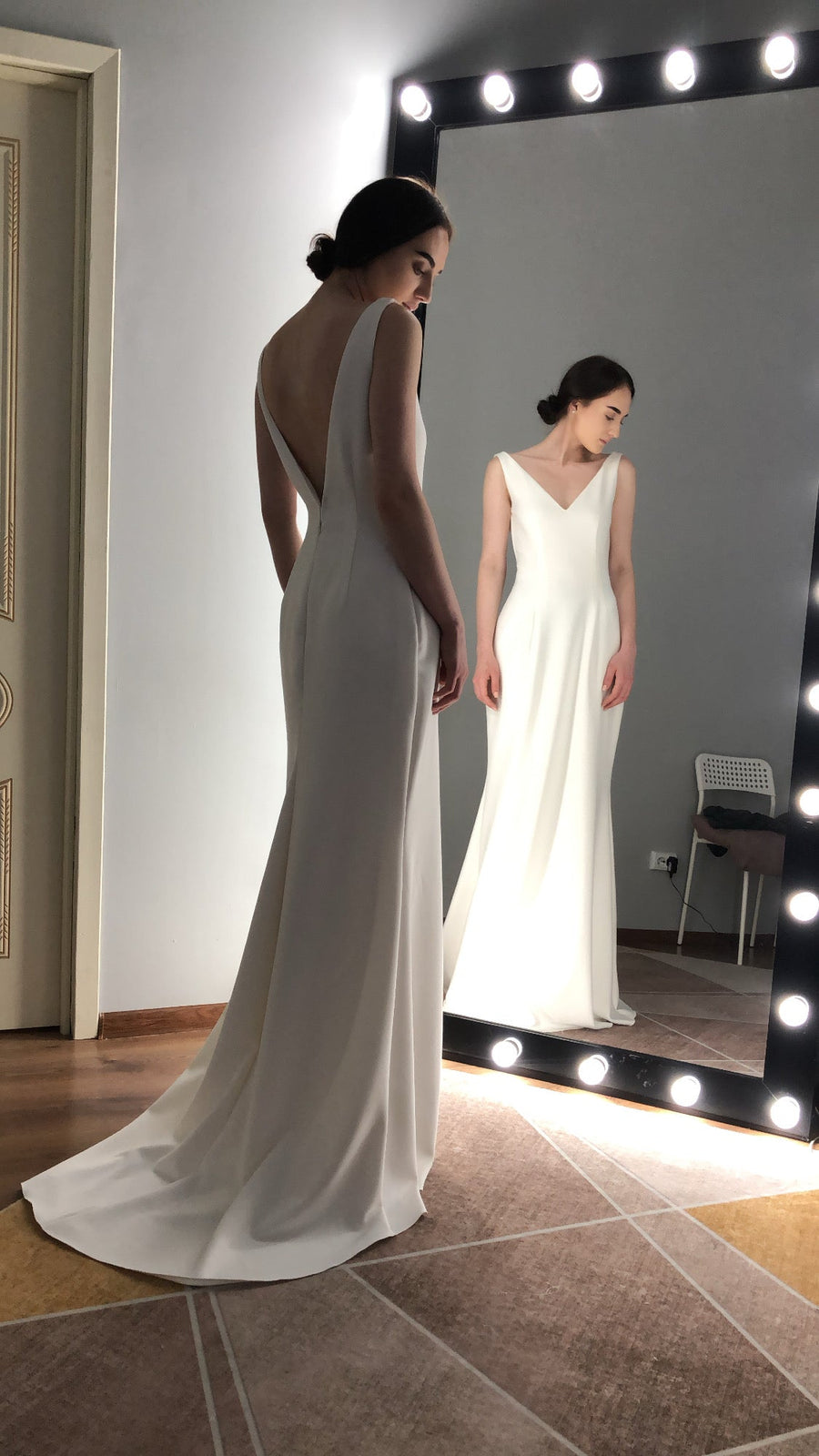
A Second Wedding Dress: What to Consider for a Vow Renewal or Second Marriage
There's no rulebook for a second wedding dress. Here's what actually differs in the design conversation for a vow renewal or a second marriage.
Read →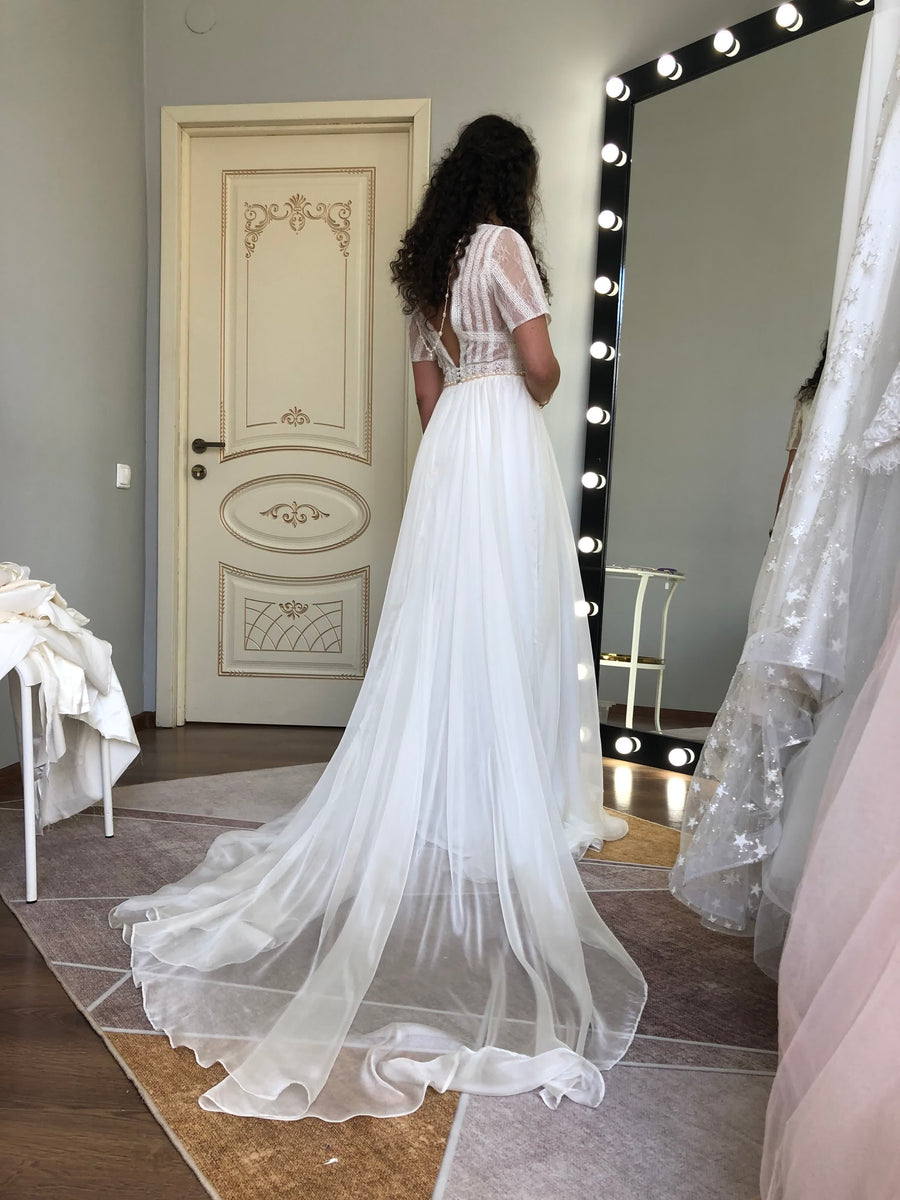
Themed Wedding Dress: How to Brief a Designer on a Concept, Not Just a Silhouette
A themed wedding dress starts with a feeling, not a silhouette name. Here's how to translate a concept — bohemian, fairytale, vintage, minimalist — into a real gown.
Read →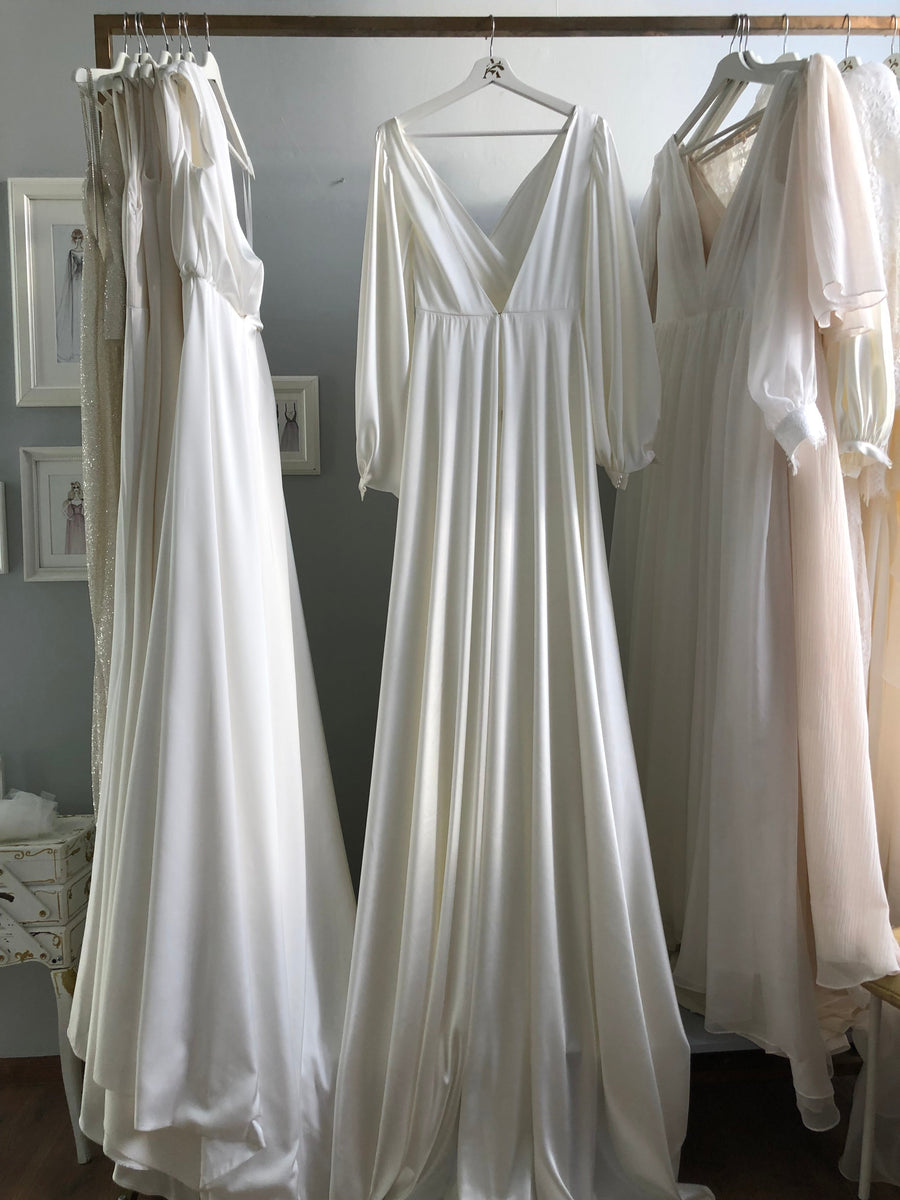
Art Deco Wedding Dress: Bringing 1920s Glamour Into a Custom Gown
Art Deco bridal style isn't one dress — it's a set of design principles: clean geometric line, dense beadwork, and a column silhouette. Here's how to brief it.
Read →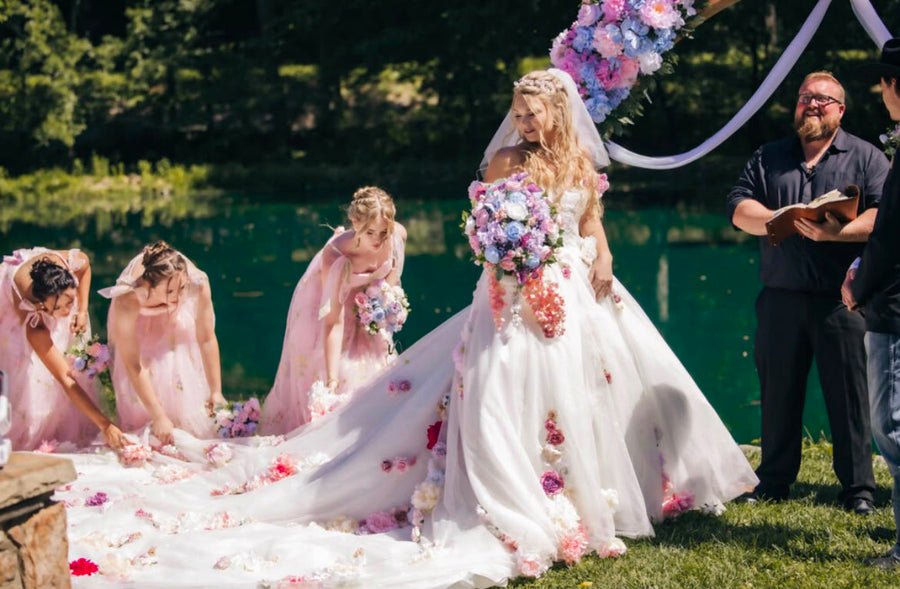
Garden Wedding Dress: Fabrics and Silhouettes That Actually Hold Up Outdoors
An outdoor ceremony changes what a wedding dress needs to do. Here's which fabrics, silhouettes, and train lengths actually work for a garden wedding.
Read →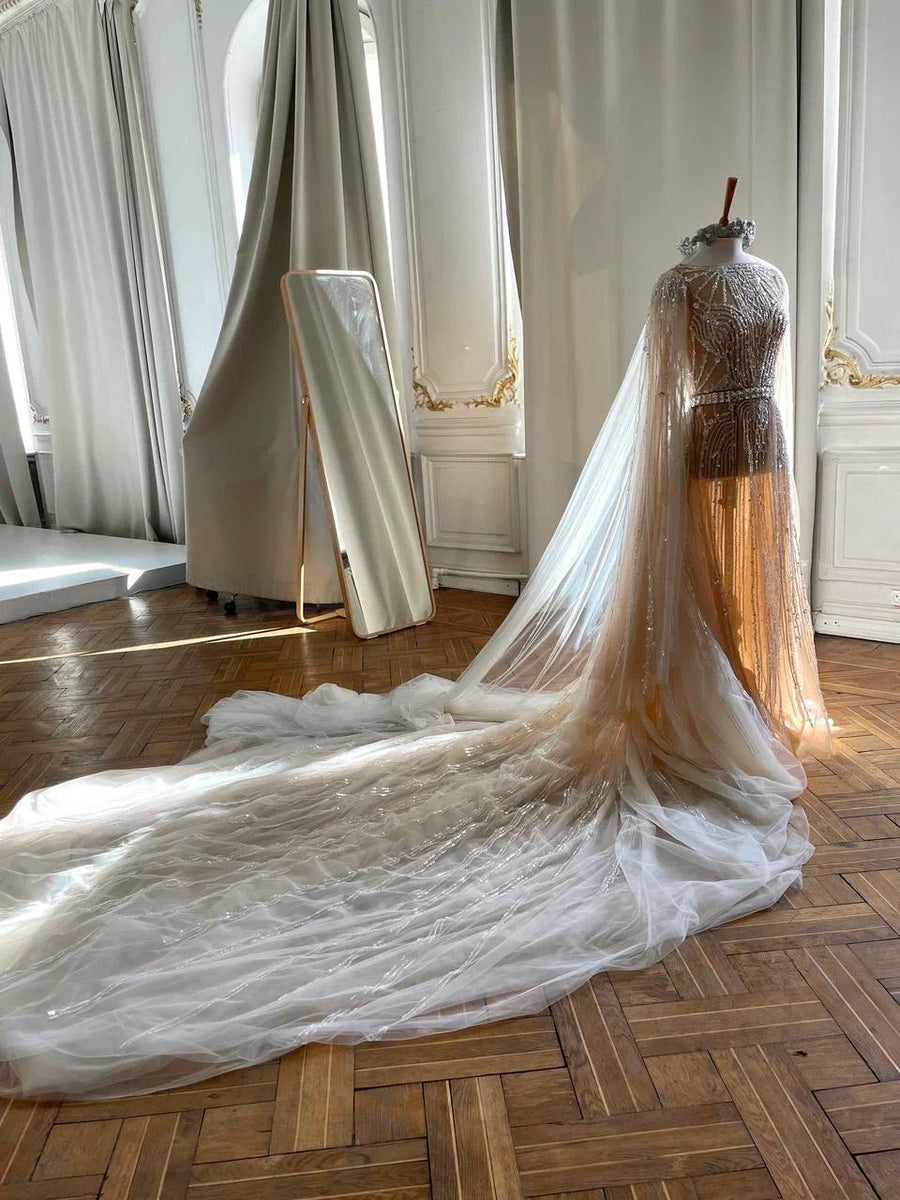
Extra Long Train Wedding Dress: Types, Silhouettes, and What to Know Before Ordering
What makes an extra long train a visual statement — and what you need to know before ordering one. Train length types, the best silhouettes to carry them, venue considerations, and how custom construction gives you full control over every specification.
Read →back
Backless Wedding Dress: Construction, Comfort, and What to Expect
A backless wedding dress stays in place through internal boning and sewn-in cups — not luck. Here's how construction works, which fabrics hold the edge, and what to expect when you order one.
Read →embellished?
Simple vs. Embellished Wedding Dress: How to Decide
Choosing between a minimal wedding dress and a heavily embellished gown? Here’s how to match the level of detail to your venue, silhouette, and personal style — from a custom atelier that’s made 1,000+ dresses across the full spectrum.
Read →real gown
What AI-Generated Wedding Dress Images Can (and Can't) Become in Real Life
AI-generated wedding dress images are everywhere now — Pinterest boards, bridal forums, Instagram saves. They're beautiful. Sometimes breathtaking. And they're setting expectations that real fabric and real stitching cannot always meet.
Read →to reality
How to Turn Your Pinterest Board Into a Real Wedding Dress
Your Pinterest board is a feeling, not a blueprint. Here’s how to read your own pins, find the pattern in them, and turn them into a real custom wedding dress.
Read →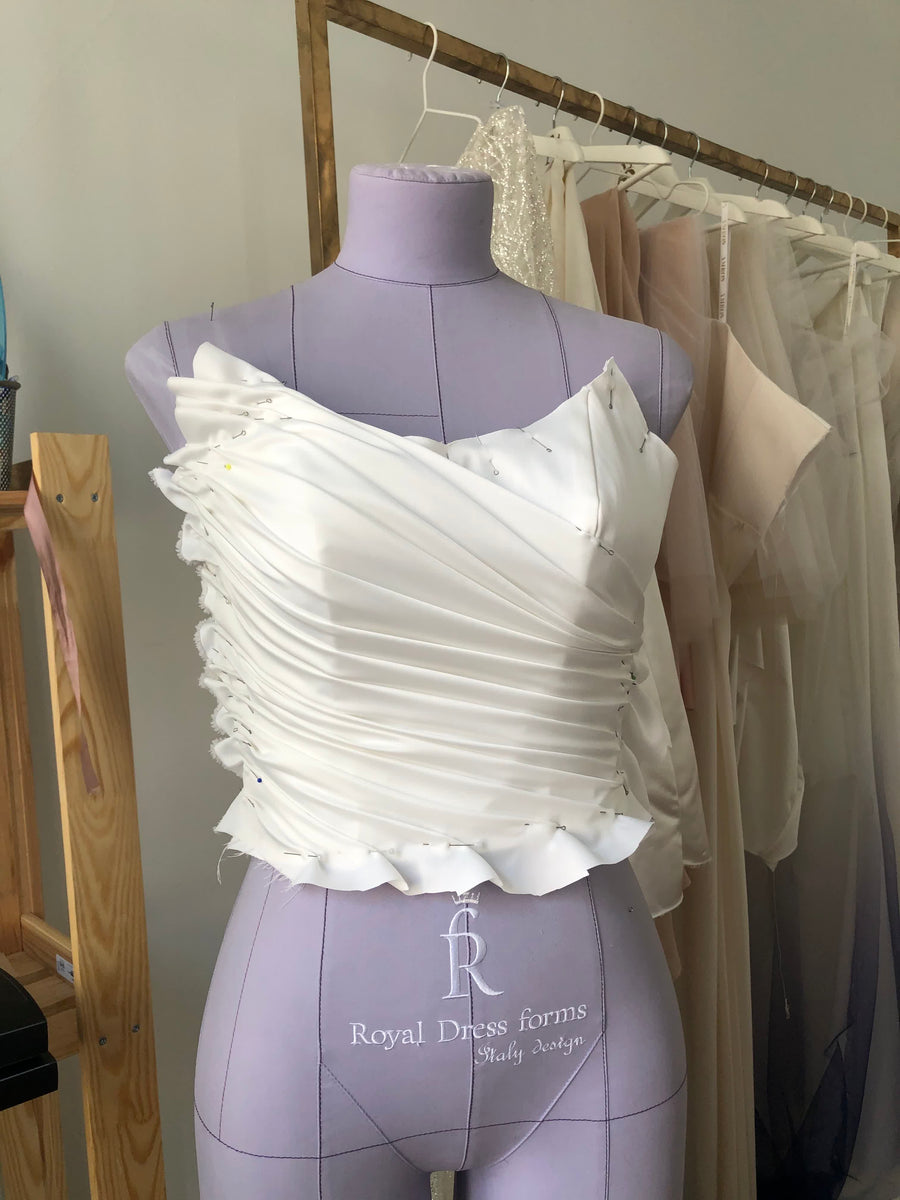
Cowl Neck Wedding Dress: Fit, Fabrics, and Design Options
Explore cowl neck wedding dress fit, fabrics, support, front and back drapes, and custom construction options.
Read →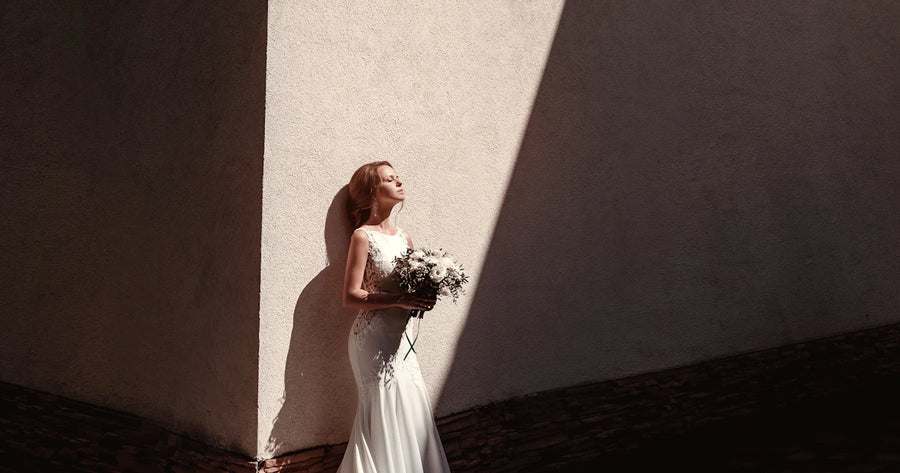
Minimalist Wedding Dress Styles: 15 Clean, Modern Designs
Compare 15 minimalist wedding dress styles, including clean A-lines, satin columns, cowl necks, and open backs.
Read →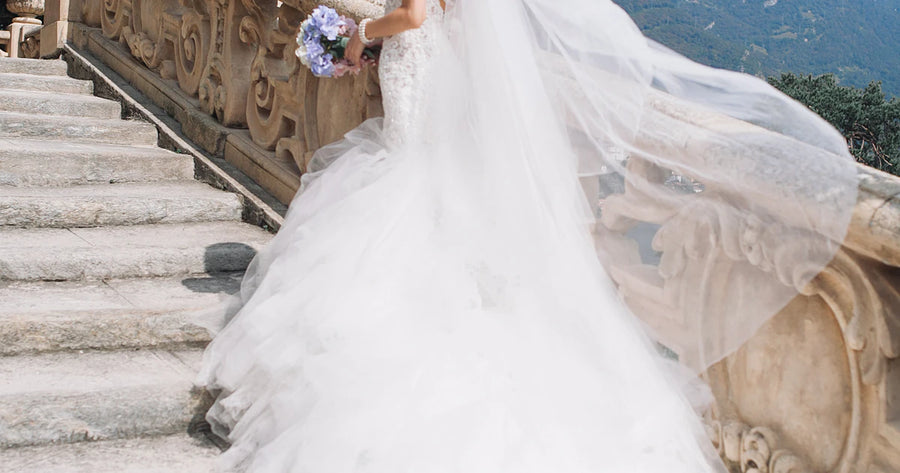
A-Line Wedding Dress: Why It Works for Every Body Type
A-line is bridal's most-produced silhouette for a structural reason. Here's exactly how the construction adapts — and what that means for a custom dress built for your proportions.
Read →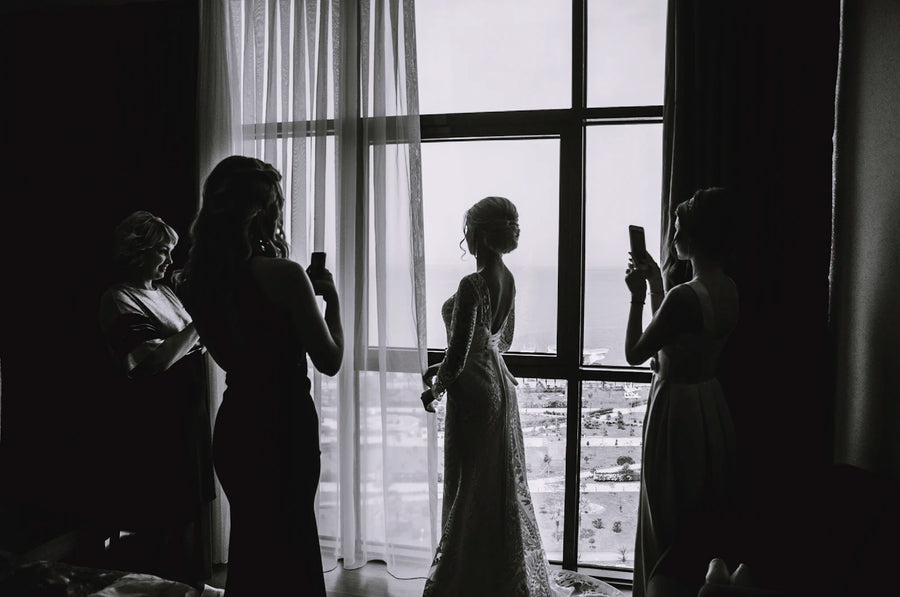
Wedding Dress Silhouettes: A Complete Visual Guide for 2026
Not sure which silhouette is yours? We explain all 6 wedding dress shapes, and how our designers help you find and build exactly what you're imagining.
Read →Your gown,
drawn for you
Get a free personal sketch. Your designer turns your ideas into a gown concept, with no obligation to order.