Atelier · France

The lining is the layer between the outer fabric and your skin, or between the outer fabric and the structural underlayer. You do not see it, but it decides whether the dress is opaque, whether it feels smooth or scratchy, how warm it is, and how the outer fabric drapes.
Most brides never think about the lining until a fitting reveals a dress that is see-through in daylight, clings with static, or feels rough against the leg. On a custom gown the lining is a deliberate choice made for your fabric, your venue, and your comfort.
Key Takeaways
- The lining controls opacity. A lace, chiffon, or fine crepe dress needs a lining to be photograph-safe in daylight.
- It controls comfort: a smooth lining stops the outer fabric or the seams and boning from touching your skin.
- It affects warmth. A fuller lining is warmer; a light or partial lining is cooler.
- It changes drape. A lining adds a little weight and body to a soft outer fabric.
- A fully unlined dress is rare and specific. Most gowns are lined in part or in full.
What the Lining Actually Does
A lining serves several jobs at once:
- Makes a sheer or semi-sheer outer fabric opaque.
- Puts a smooth surface between your skin and the outer fabric, the seam allowances, and any boning.
- Helps the dress slip on and stay in place.
- Adds a controlled amount of weight and body to the outer fabric.
- Protects the outer fabric from perspiration and skin oils.
On a custom gown these jobs are balanced against warmth and cost, which is why the lining is a discussed decision, not an afterthought.
Opacity: The One Most Brides Notice
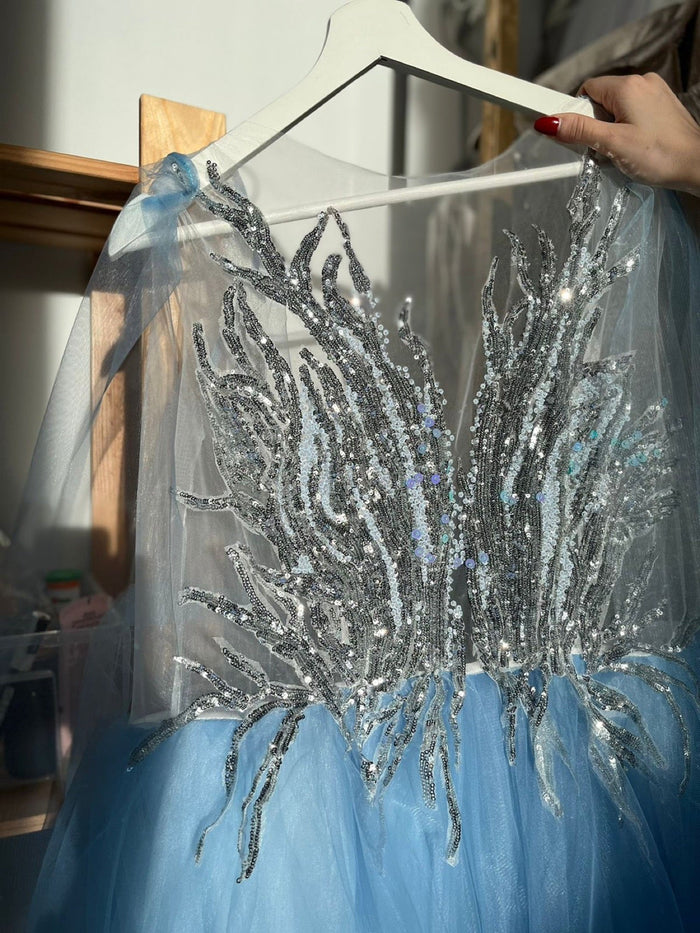
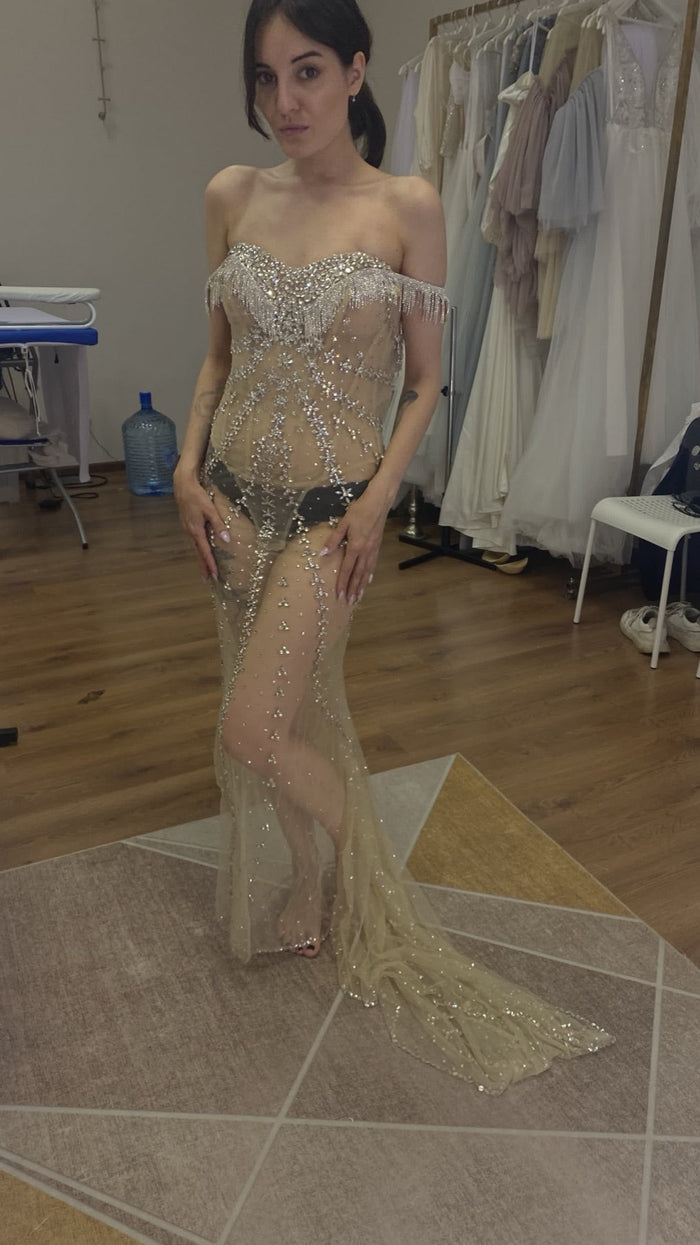
Fabric that looks opaque in a shop can be revealing in direct sun or a photographer's flash. A single layer of Chantilly lace, silk chiffon, fine crepe, or light tulle is often not enough on its own.
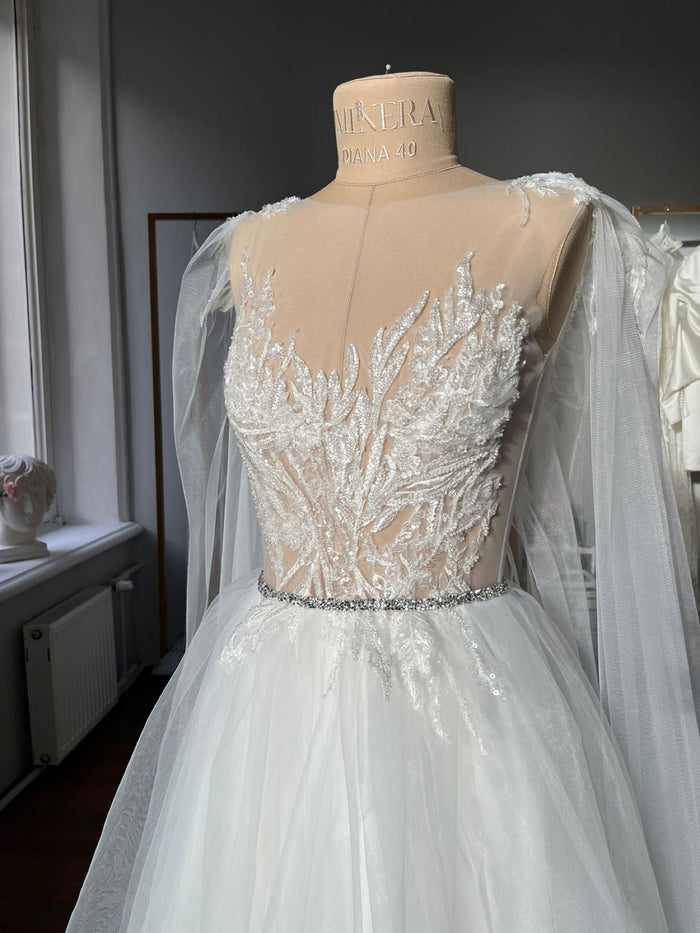
The lining fixes this. Its colour is chosen deliberately: a lining close to your skin tone reads as an illusion effect under lace, while an ivory or white lining keeps the dress clearly bridal. For a sheath or column especially, we check opacity against strong light before the fabric is finalized.
Comfort Against the Skin
Without a lining, the inside of a dress is seam allowances, the wrong side of the outer fabric, and any boning channels. A lining covers all of that with a smooth surface. It matters most on:
- A structured or corseted bodice, where the boning would otherwise press on the ribs.
- A fitted skirt, where the outer fabric would rub on the legs when you walk.
- Any dress worn for a long day, where a rough interior becomes noticeable over hours.
Warmth
The lining is a lever for temperature.
- A full, closely woven lining traps warmth. Good for a winter wedding.
- A light, breathable lining, or a partial lining only where opacity is needed, keeps a dress cooler. Good for a beach or summer wedding.
- A natural-fibre lining feels cooler against the skin than a synthetic one and produces less static.
Drape and Structure
A lining adds a small amount of weight and body. On a very soft outer fabric this can be an advantage: a fine crepe lining under silk chiffon gives the skirt a little more presence without stiffening it. On a fabric that already has body, a heavy lining can flatten the drape, so the lining weight is matched to the outer fabric.
Common Lining Fabrics
| Lining | Character |
|---|---|
| Silk habotai / silk crepe de chine | Smooth, cool, light, with a natural feel. The premium choice. |
| Cotton batiste or lawn | Breathable and matte. Good for warm weather and for a bodice lining. |
| Bemberg / cupro | A regenerated fibre. Smooth, cool, anti-static. A common practical lining. |
| Polyester lining | Durable and inexpensive. Can feel warmer and generate static. |
| Stretch lining | Contains elastane, for a fitted dress that needs to move with the body. |
Our guide to natural silk versus synthetic fabric covers the fibre trade-offs, and using a natural silk lining under an synthetic fabric outer is one way to control cost while keeping the feel.
Full, Partial, or Unlined
- Fully lined. The whole dress has a lining layer. The default for most gowns.
- Partially lined. Only where it is needed, for example the bodice and the skirt front, leaving a sheer overlay or train unlined by design.
- Unlined. Rare. Used deliberately for a very sheer, deconstructed look, or where the outer fabric is opaque and comfortable enough on its own (a heavy satin or mikado). An unlined dress still has a smooth interior finish on the seams.
Planning the Lining as a Custom Order
The decisions:
- Opacity, checked against strong light for your outer fabric.
- Lining fibre, weighted toward comfort and temperature.
- Full, partial, or unlined, matched to the design.
- Lining colour, for an illusion effect under lace or a clear bridal white.
- Stretch content, for a fitted silhouette.
We plan the lining with the outer fabric at the design stage, and check it at a fitting or on the mockup. Every dress is made to your measurements over 10 to 12 weeks, with UPS shipping to the US in 3 to 5 days, from a starting price of 1,490 euros.
FAQ
Do wedding dresses have a lining? Most do, in full or in part. The lining makes a sheer or semi-sheer fabric opaque, covers seams and boning with a smooth surface, and helps the dress sit correctly. A fully unlined dress is rare and used for a specific sheer or deconstructed effect.
Why is my wedding dress see-through in photos? Fabric that looks opaque indoors can be revealing under direct sun or a flash if it is a single light layer, such as chiffon, fine crepe, or light lace. A lining, in a chosen colour, fixes this. On a custom gown opacity is checked against strong light before the fabric is finalized.
What is the best lining for a summer wedding dress? A light, breathable, natural-fibre lining such as silk crepe de chine, cotton batiste, or Bemberg, and only a partial lining where opacity is needed. These feel cooler and produce less static than a full polyester lining.
Does the lining make a wedding dress heavier? It adds a small amount of weight. On a very soft outer fabric that can be an advantage, giving the skirt more presence. On a fabric that already has body, the lining weight is kept light so it does not flatten the drape.
Can the lining be a different colour than the dress? Yes, deliberately. A lining close to your skin tone under lace creates an illusion effect. An ivory or white lining keeps the dress clearly bridal. The colour is a design decision made with the fabric.
Want a lining chosen for your fabric, your venue, and your comfort? Start with a sketch consultation at Lutien Bridal.
About the author: Vlad Ivanov is the Director of Business Development at Lutien Bridal Atelier in France, home to the design team behind more than 1,000 custom wedding gowns delivered to brides across the US and Europe.